
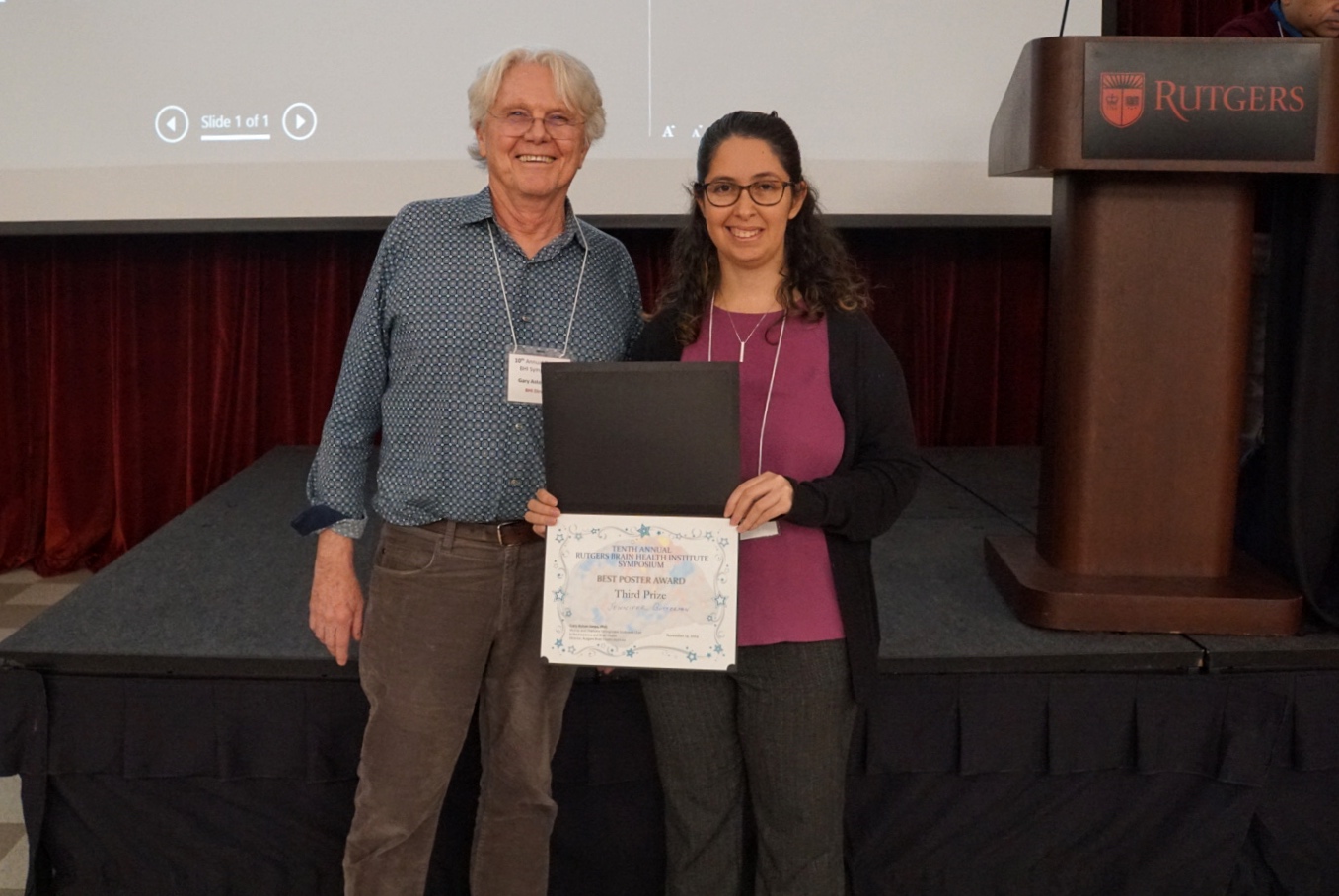
Jennifer won Third Place in the poster competition at the 10th Annual Rutgers Brain Health Institute Symposium

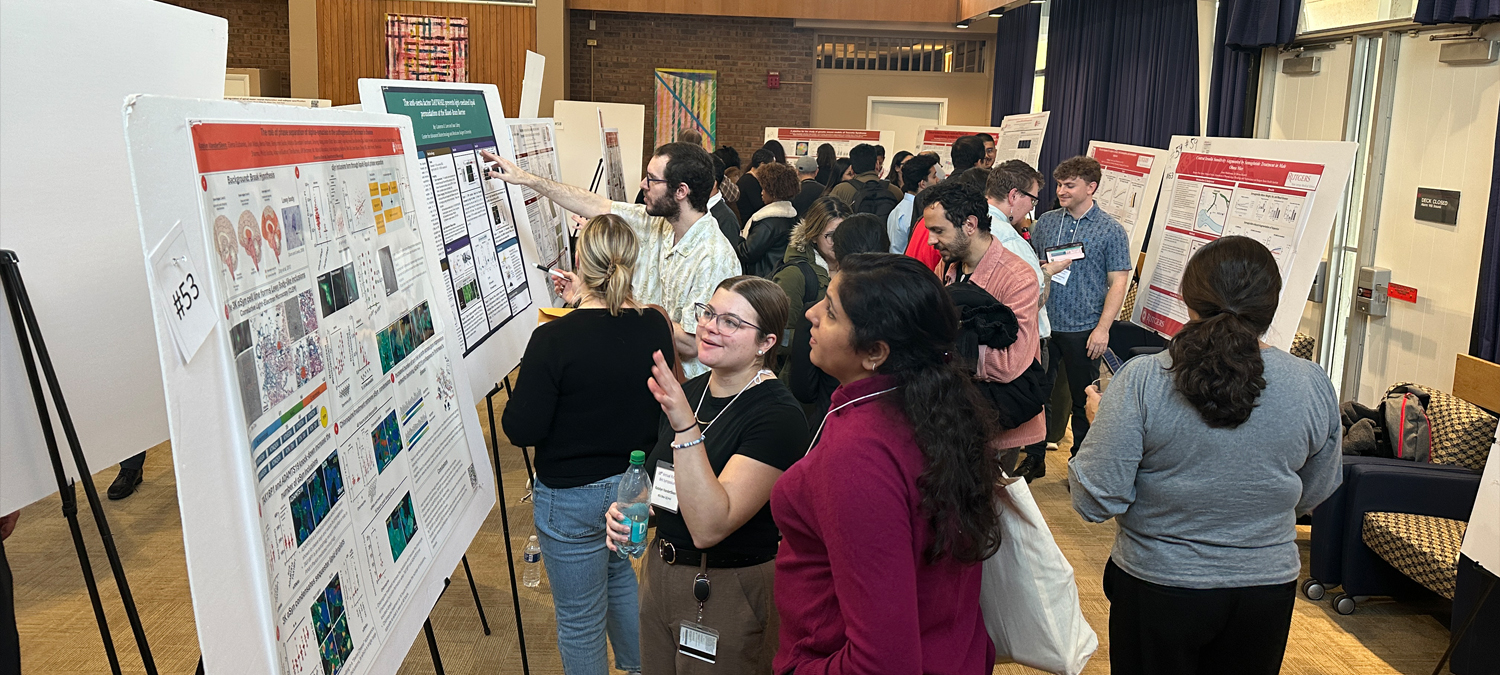
At Rutgers BHI, we are committed to fostering a thriving research environment for postdoctoral fellows. Explore first-hand experiences from our postdocs, their research journeys, and how our training programs have shaped their careers.
Hear from postdocs who attended the BHI Postdoc Recruitment Event and how it influenced their decision to come to Rutgers.
Postdoctoral Fellow, Soha Saleh Lab
Department of Rehabilitation and Movement Sciences, SHP
I attended the BHI Postdoc Recruitment Event in 2023, and it was a fantastic opportunity to see firsthand the cutting-edge research and resources at BHI. It was an invaluable experience that allowed me to connect with potential collaborators and mentors, which influenced my decision to join Rutgers University.
As a postdoc, I am now working on using biomechanics and advanced neuroimaging techniques to investigate motor-related impairments following neurological disorders, particularly stroke. My research aims to examine the mechanisms of motor recovery, with the goal of developing more effective rehabilitation strategies. Last year, I went back to the BHI Annual Symposium and presented my research on neural biomarkers of gait recovery in patients post-stroke.
The resources and training at BHI have been extremely helpful in advancing my neuroimaging skills. If you’re thinking about a postdoc position, I highly recommend coming to the event. It’s a fantastic way to get a feel for the community, explore the innovative research at BHI, and see if it’s the right fit for you.
Jennifer won Third Place in the poster competition at the 10th Annual Rutgers Brain Health Institute Symposium
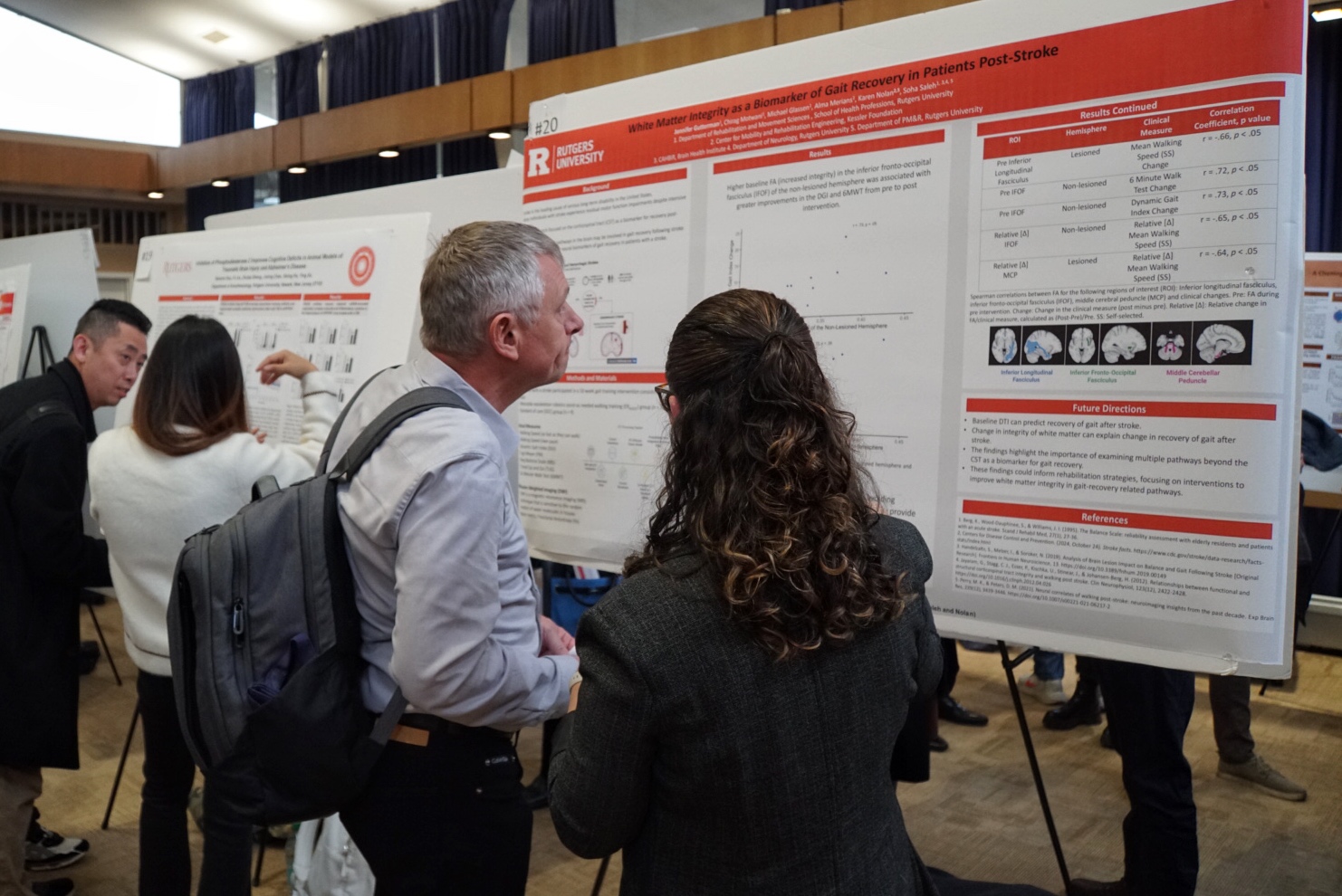
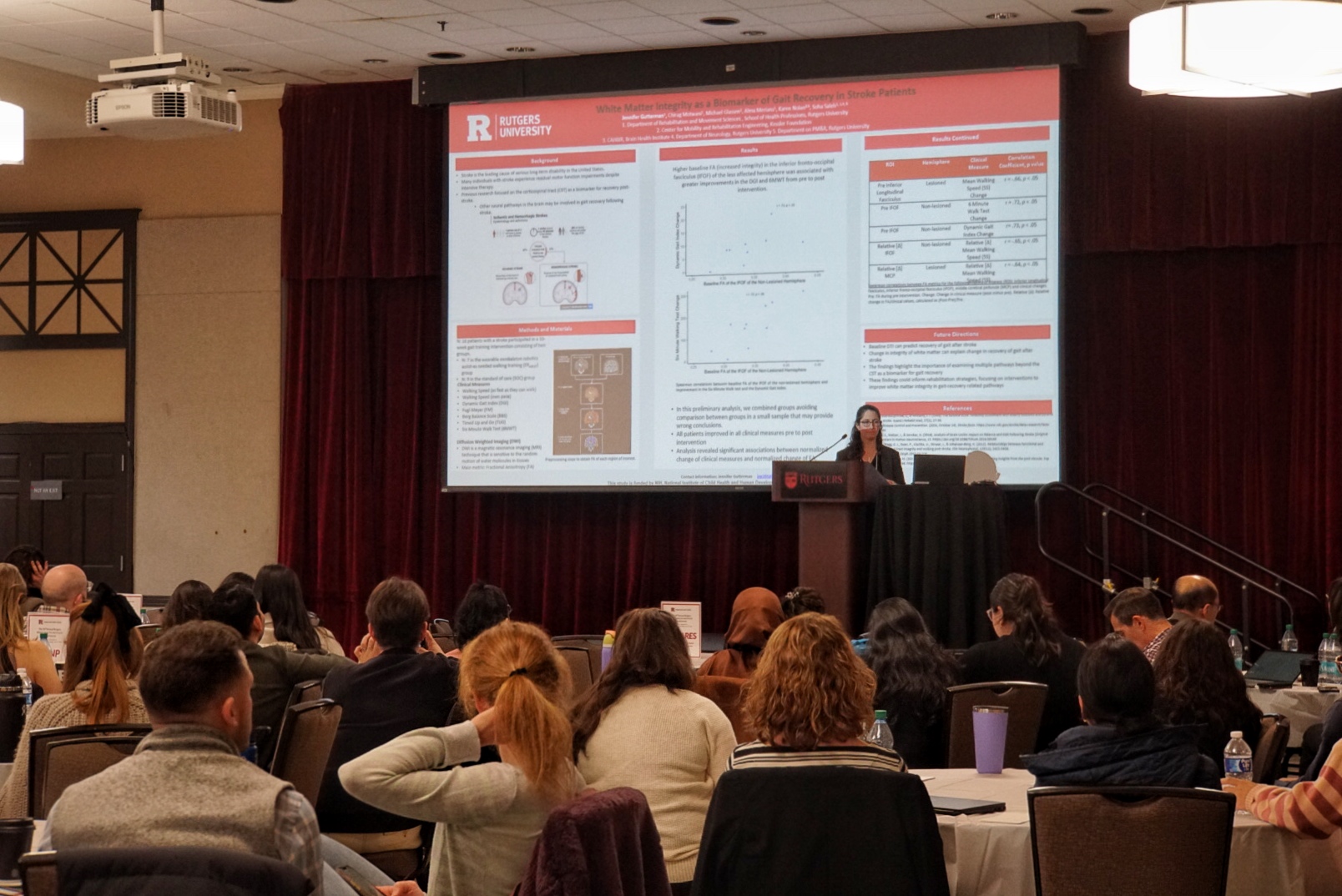
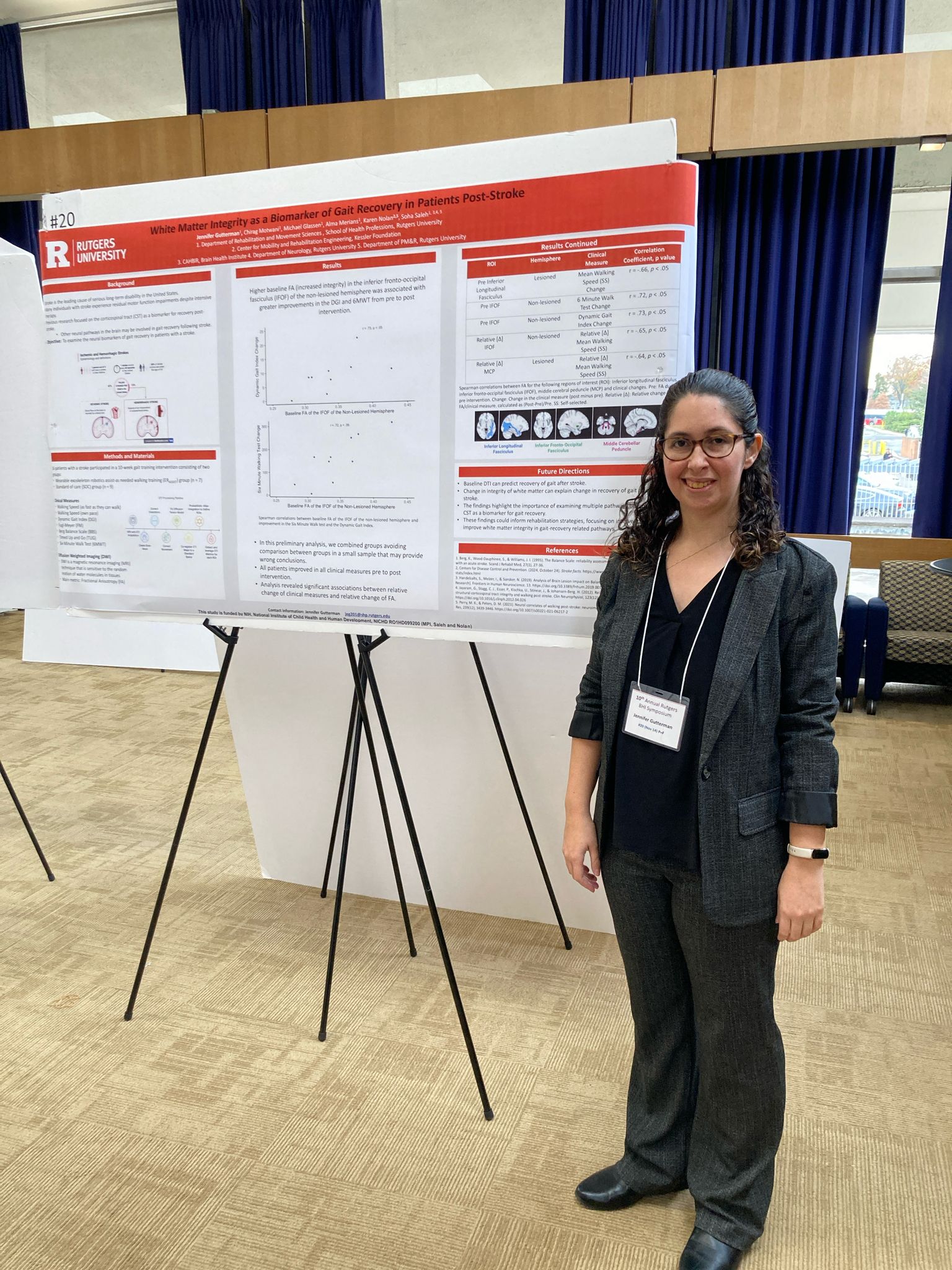
View Jennifer’s poster
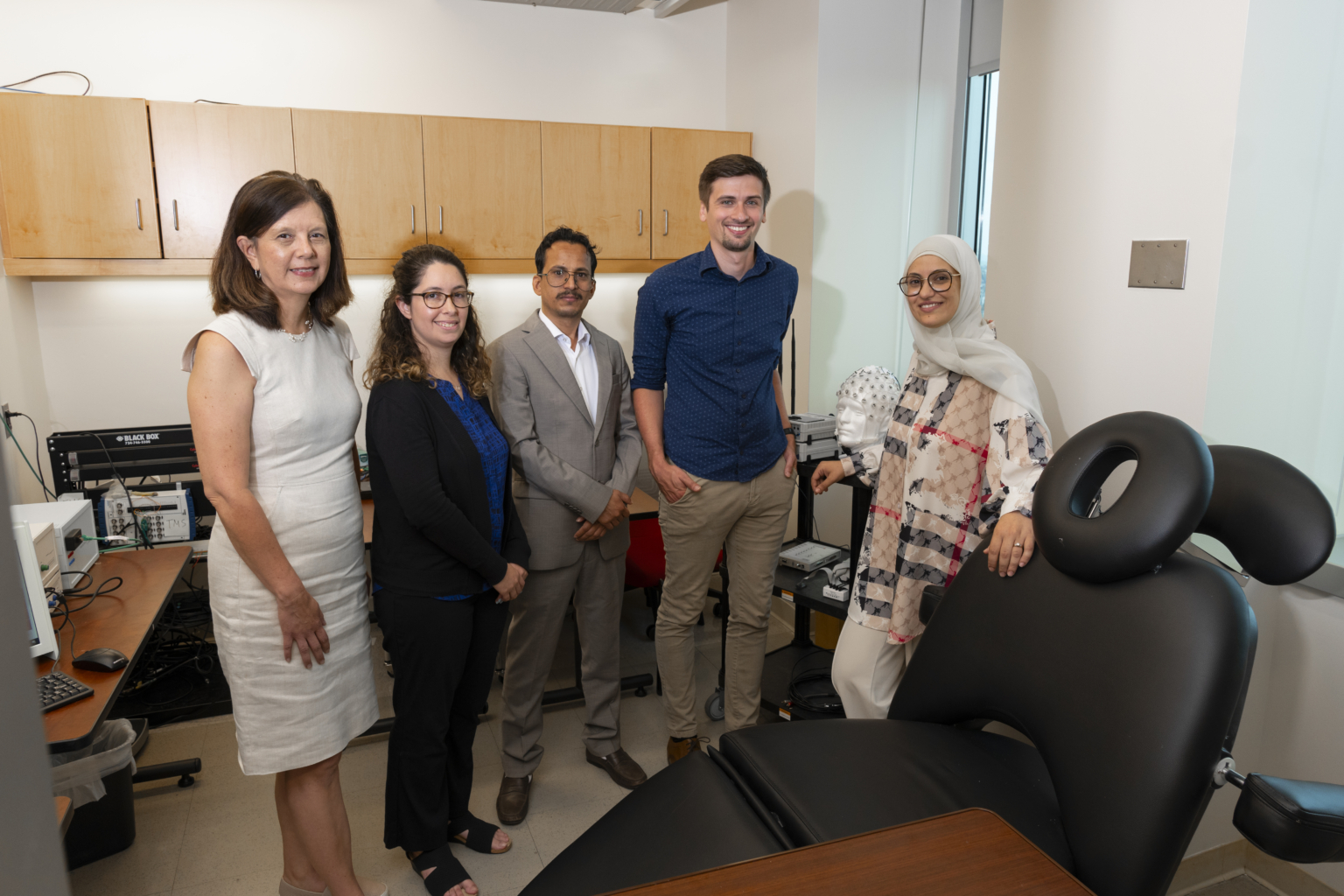
The Neurophysiology and Rehabilitation Innovations Lab
Postdoctoral Fellow, Pingyue Pan Lab
Department of Neuroscience and Cell Biology, RWJMS
The BHI 2023 Postdoc Recruitment Event played a big role in my decision to join Rutgers. It gave me the chance to connect with faculty, learn about exciting research, and truly experience the supportive environment here. Talking to potential mentors and seeing how collaborative and welcoming the community is made it clear that Rutgers was the right place for me. One of the most valuable parts of the event was meeting other postdocs and PhD students. Getting to know potential lab mates, talking to people about their experiences, and seeing the lab environment firsthand made all the difference.
My research focuses on neurodegenerative diseases, particularly understanding how early presynaptic dysfunction contributes to Parkinson’s disease progression. I am especially interested in how molecular disruptions at dopamine neuron synapses drive early synaptic failure and contribute to motor deficits in Parkinson’s disease. My postdoc journey so far at Rutgers has been incredibly exciting, surrounded by an inspiring community that constantly pushes me to grow.
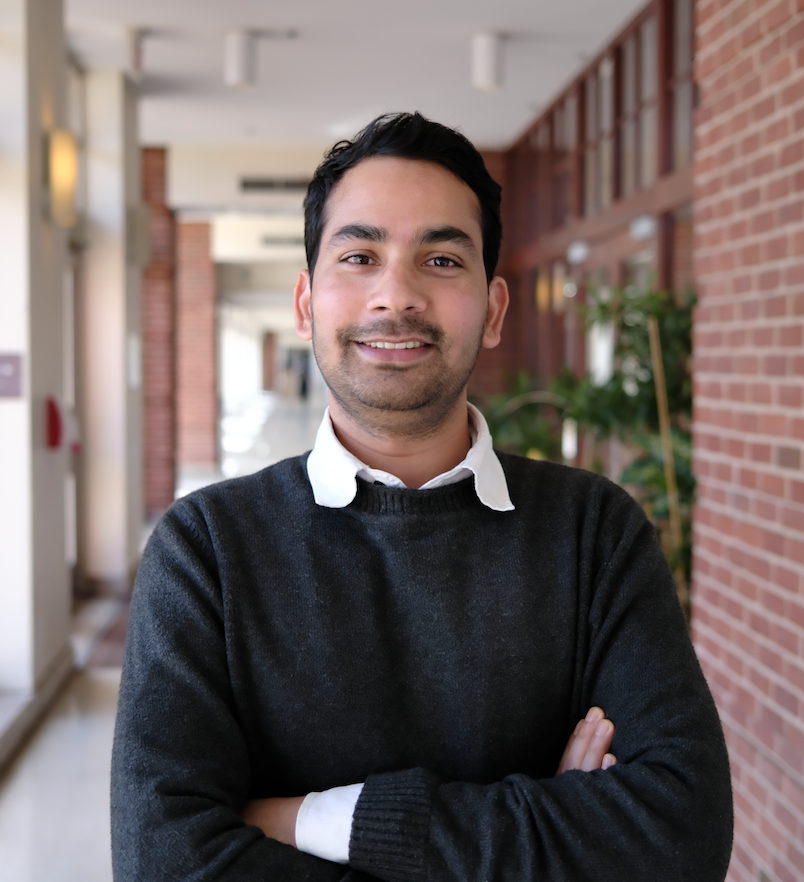
BHI offers a lot of valuable resources-training workshops, networking events, and access to advanced research facilities-that continue to support my growth as a scientist. Beyond research, BHI also provides grant writing workshops and grant writing groups, which have been super helpful in building skills and preparing for the next steps in my career. The support system here is amazing, whether you need help with research, funding, or career development.
If you’re thinking about Rutgers, definitely check out the BHI event! It’s a great way to explore your options, meet potential mentors, and get a real sense of the research environment here. Make sure to visit the labs and talk to people-you will learn a lot from those conversations. Rutgers truly supports its postdocs, and the collaborative atmosphere makes it a fantastic place to grow. And don’t forget to take some time to explore surrounding campuses and the city-there is a lot to enjoy outside the lab too!
The transition from postdoc to independent researcher is a defining moment in any scientific career. Dr. Aysegul Gungor Aydin, shares how BHI played a pivotal role in her journey—offering mentorship, leadership opportunities, and career development that helped her step into a faculty role.
Aysegul was a postdoctoral fellow in Dr. Kasia Bieszczad’s lab at Rutgers University. She studied the molecular and neural substrates underlying auditory temporal processing and auditory memory for temporal features of sound in a mammalian auditory system.
In 2025, Aysegul started her lab at the Biomedical Research Institute of New Jersey. The NEAF lab investigates how genes and neural circuits affected by auditory experience influence the development of auditory processing and how the epigenome can reshape brain circuits for experience-dependent cognitive functions.
Watch her story and see how BHI supports the next generation of neuroscientists.

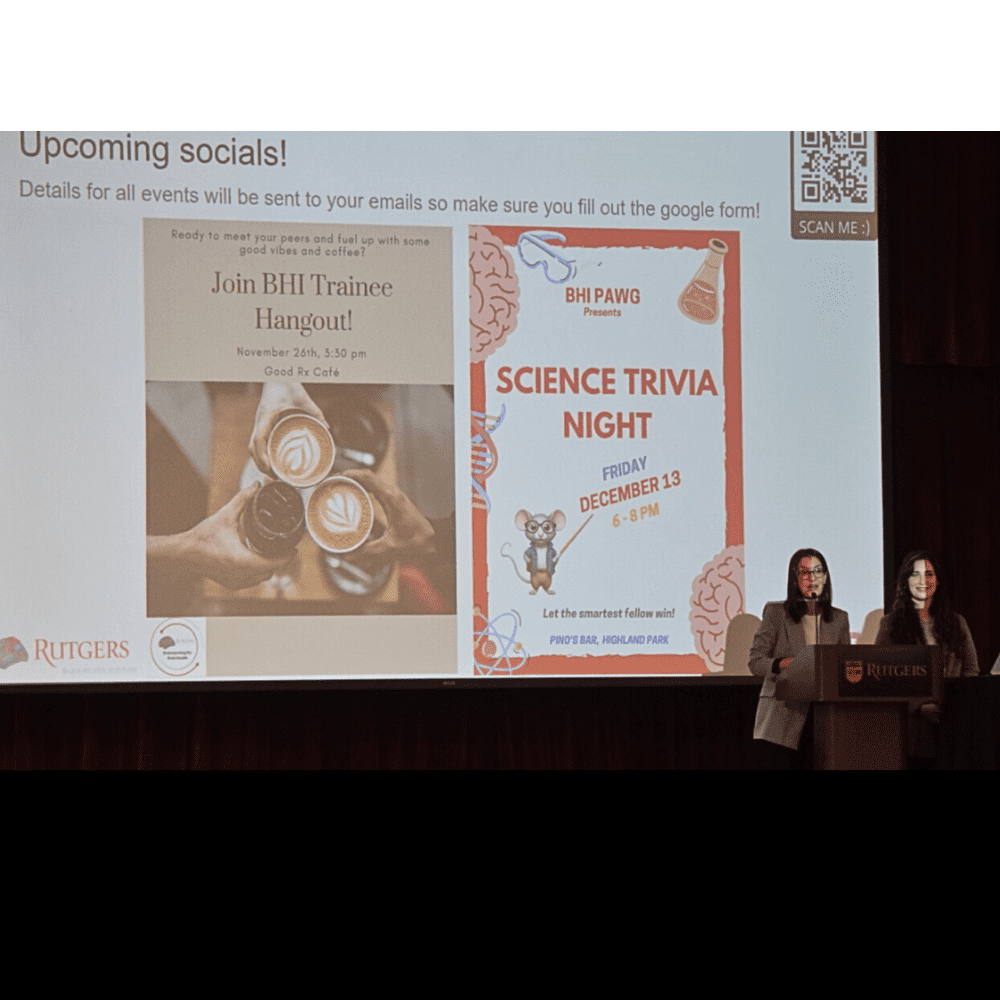
In addition to her research training, Aysegul played an active leadership role within BHI. She served as Vice Chair of the Postdoctoral Alliance Working Group (PAWG). The working group aims to cultivate a collaborative environment among trainees, emphasizing education throughout the scientific pipeline—from study inception to publication—and building a robust network to support smooth transitions to the next career stage.
Led by trainees, for trainees, PAWG is the first of its kind at BHI. It offers emerging neuroscientists a unique opportunity to actively participate in early decision-making processes during the development of new studies and experiments, enhancing their readiness for the next phase of their careers.
At the Brain Health Institute, we are committed to training and supporting future neuroscientists through comprehensive programs and resources. Our trainees benefit from hands-on research opportunities, mentorship from leading experts, and access to professional development initiatives. Whether you’re a graduate student or postdoc, BHI provides the foundation you need to excel in your career and contribute to groundbreaking discoveries in brain health.
