

BHI Plenary Seminar: Dr. Michael J. Frank — Frontosubthalamic Control Over Motivated Action
The Rutgers Brain Health Institute (BHI) is thrilled to welcome Dr. Michael J. Frank, Edgar L. Marston Professor of Cognitive, Linguistic, and Psychological Sciences and Director of the Carney Center for Computational Brain Science at Brown University, as our distinguished plenary speaker for the Brain Health Institute Plenary Seminar Series. This event, scheduled for Thursday, November 6, 2025, at 12:00 PM at Center for Molecular and Behavioral Neuroscience, Aidekman Building, Room 103 Rutgers University-Newark, promises to spark innovative dialogues at the intersection of computational neuroscience, decision-making, and basal ganglia circuits—key to understanding motivated behaviors and disorders like Parkinson’s disease. View seminar flyer.
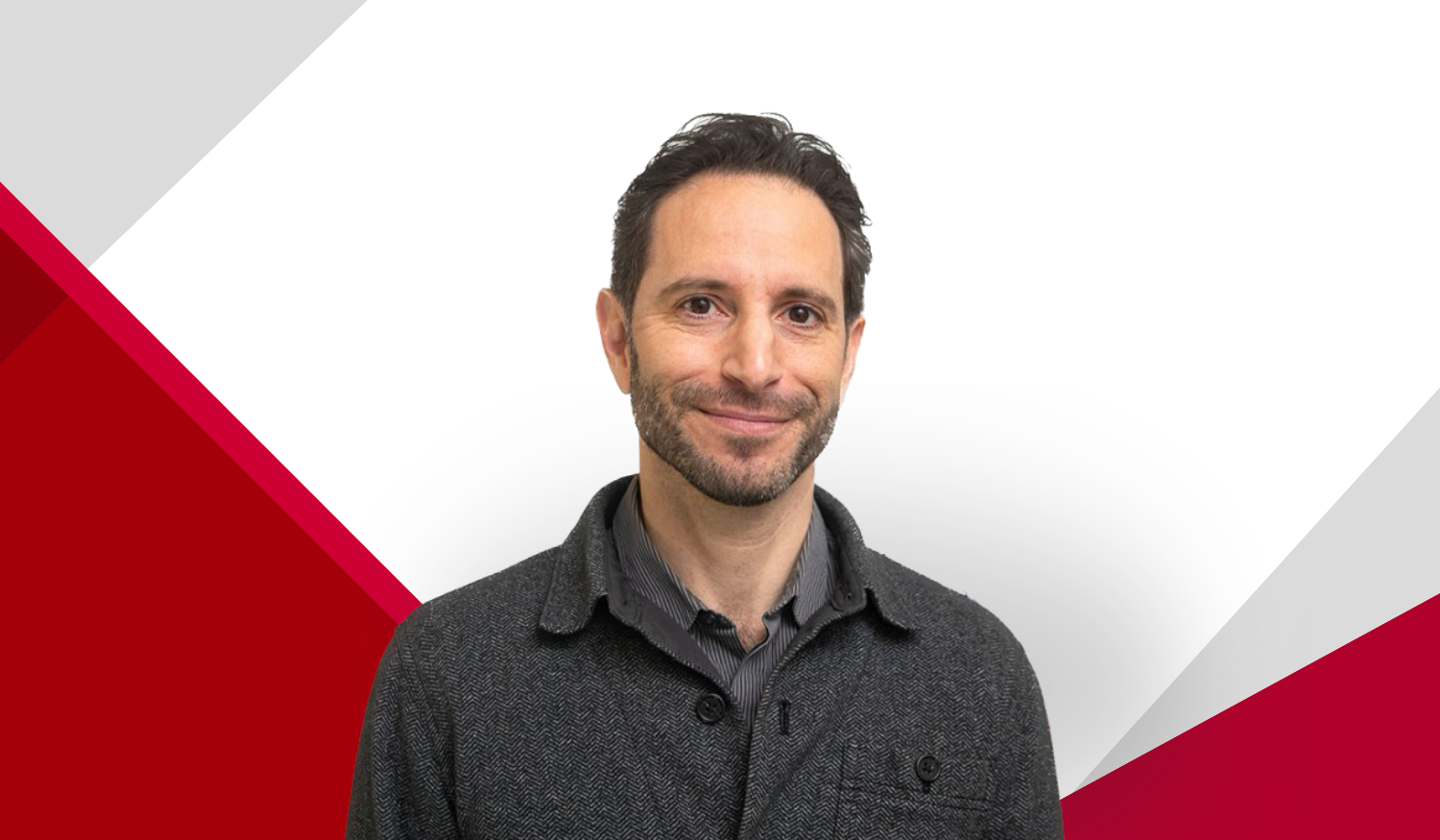
Dr. Michael J. Frank
Dr. Frank’s trajectory in neuroscience exemplifies a seamless integration of engineering rigor and cognitive inquiry. He earned a B.Sc. in Electrical Engineering from Queen’s University, Canada, in 1997, followed by an M.S. in Electrical Engineering (Biomedicine) from the University of Colorado Boulder in 2000, and a Ph.D. in Neuroscience and Psychology from the same institution in 2004. His doctoral research, advised by Dr. Randall C. O’Reilly, explored dynamic dopamine modulation of striato-cortical circuits in cognition—a foundation for his lifelong pursuit of how neural networks drive learning and choice. Launching his independent career as an Assistant Professor at the University of Arizona in 2006, Dr. Frank joined Brown University in 2009. There, he advanced rapidly: Associate Professor from 2011 to 2016, full Professor in Cognitive and Psychological Sciences since 2016, Edgar L. Marston Professor since 2018, and Director of the Carney Center for Computational Brain Science since 2020. In these roles, he oversees interdisciplinary efforts to model brain function, bridging theory with empirical data to advance computational psychiatry.
His distinguished honors underscore his profound influence: the National Academy of Sciences Troland Research Award (2021) for innovative work on decision mechanisms; Kavli Science Fellow (2016); Radboud Excellence Professorship (2015) from Radboud University Nijmegen for transformative impact; Cognitive Neuroscience Society Young Investigator Award (2011); Janet T. Spence Award for Transformative Early Career Contributions from the Association for Psychological Science (2010); and the D.G. Marquis Behavioral Neuroscience Award (2006) for the top paper in the field. A sought-after orator, Dr. Frank has delivered keynote addresses across the globe—from the University of Tokyo and University College London to Harvard Medical School—illuminating topics in reinforcement learning, dopamine dynamics, decision neuroscience, and computational models of psychiatric disorders. His laboratory pioneers multi-level computational frameworks of basal ganglia-prefrontal circuits, integrating neural recordings, pharmacology, and genetics to decode how the brain learns from rewards, exerts cognitive control, and adapts to uncertainty. These models, tested across species and human paradigms, yield actionable insights for conditions spanning schizophrenia, addiction, and Parkinson’s, establishing computational psychiatry as a vital link between basic science and clinical innovation.
Abstract of the Talk: “Frontosubthalamic Control over Motivated Action”
The subthalamic nucleus (STN) is the primary region targeted by deep brain stimulation (DBS) surgery for Parkinson’s patients. While STN-DBS is effective, it can also induce cognitive side effects. Synthesizing anatomical, electrophysiological, and lesion data, we developed a computational account of how the STN contributes to action selection and decision making. In the model, the STN detects “conflict” among competing cortical actions and, in turn, sends a “hold your horses” signal to temporarily prevent the striatum from prematurely selecting a response. We have studied this mechanism at levels of computation that are both more abstract (functional and cognitive) and more biophysical (mechanism). We showed that neural dynamics within the frontal cortex-STN network can be summarized in terms of more abstract mathematical models of decision dynamics in the form of sequential sampling models, wherein STN activity increases the effective “decision threshold.” Several key predictions from this model have been supported: decision conflict induces low-frequency cortical and STN dynamics, which in turn support adaptive decision making by altering the decision threshold. Moreover, interfering with this mechanism via STN-DBS reduces the decision threshold and induces impulsivity. At the biophysical level, we have built a large-scale model of the STN and its interaction with other basal ganglia nuclei to study the mechanisms that give rise to low-frequency oscillations related to decision conflict. This work identified NMDA receptors within the STN and architectural constraints that induce the observed neural dynamics, consistent with recent reports that NMDA modulation within STN can be leveraged to modulate impulsivity. This work truly shows the impact of multilevel modeling from circuit to function to biophysics.
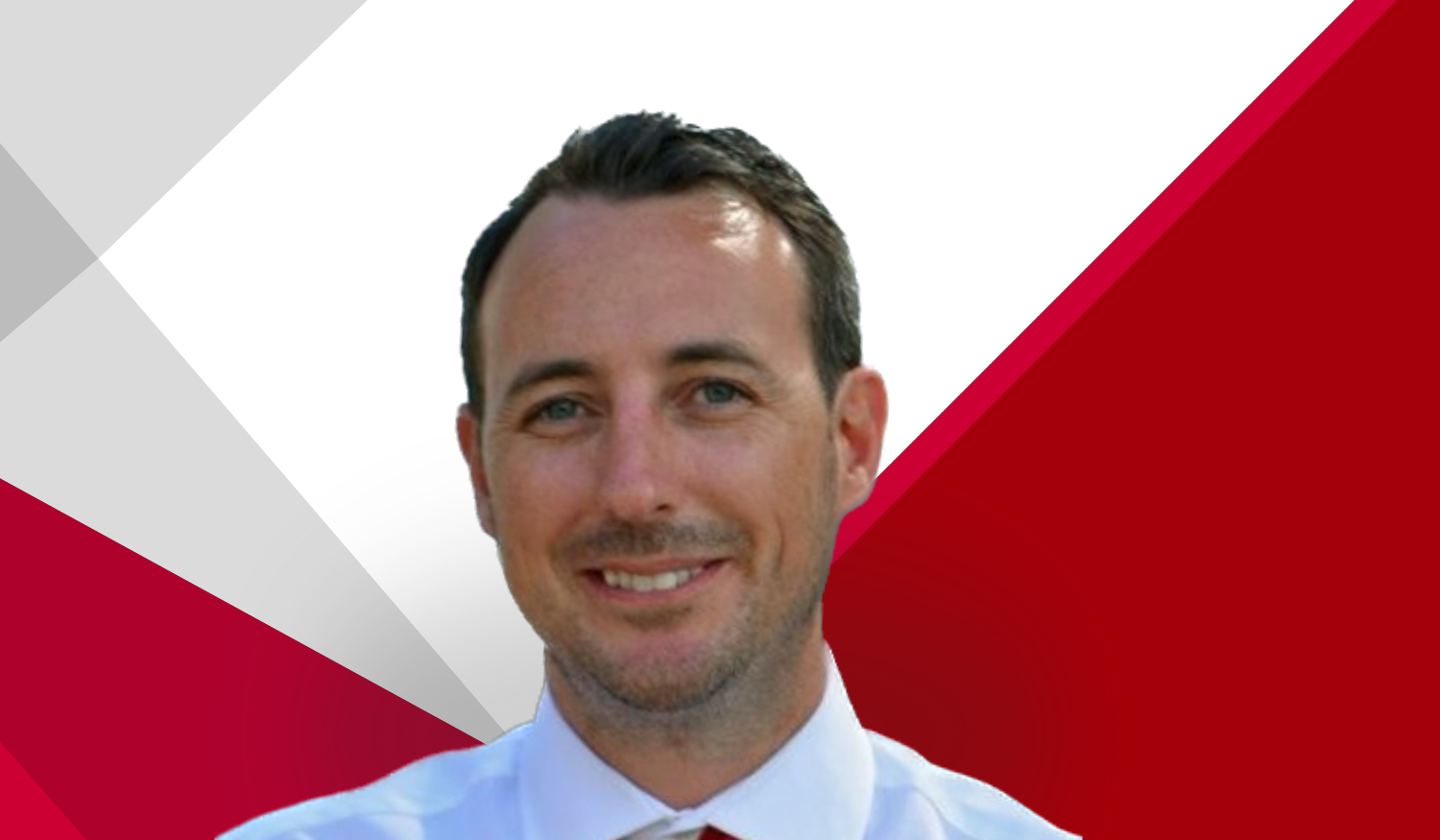
Dr. Travis Baker
Dr. Travis Baker, Associate Professor in the Center for Molecular and Behavioral Neuroscience at Rutgers University-Newark, shares his enthusiasm: “Dr. Frank’s groundbreaking work on reinforcement learning and basal ganglia-prefrontal circuits has fundamentally shaped my research since graduate school, from early investigations into genetic vulnerability and reinforcement learning deficits to my current neuromodulation work restoring impaired decision-making in substance use disorder. His pioneering contributions to computational psychiatry synergize with our studies at Rutgers, particularly with neurodegenerative diseases and substance use disorders (Rutgers Addiction Research Center). I invited Dr. Frank to inspire our community with his cross-level approach linking theory to mechanisms, hoping trainees and faculty will gain insights into how computational frameworks can advance our understanding of neural systems and inform the development of brain-based interventions for psychiatric and neurological disorders.”
Dr. Frank adds: “I am very much looking forward to visiting the Rutgers BHI and interacting with a host of scholars who have complementary expertise on topics related to brain function and dysfunction. I am in particular excited about learning from those focusing on neural mechanisms of motivated behavior and cognition across levels of analysis.”
The Rutgers Brain Health Institute (BHI) through its plenary seminar series and interdisciplinary initiatives, fosters collaborations that drive discoveries in neurodegeneration, psychiatric disorders, and cognitive function, empowering the next generation of researchers to translate insights into transformative therapies. Explore our mission, ongoing projects, and engagement opportunities at Rutgers Brain Health Institute. Learn more about the Rutgers Addiction Research Center (RARC) and its mission to advance addiction science.
Support Groundbreaking Addiction Research at Rutgers BHI
Help bring pioneering voices to Rutgers to fuel the Rutgers Brain Health Institute’s mission to explore, translate, and apply science that changes lives. Your support enables us to bring world-renowned neuroscience and brain health researchers to speak at Rutgers.
