

2025 Eleventh Annual Rutgers Brain Health Institute Symposium Recap

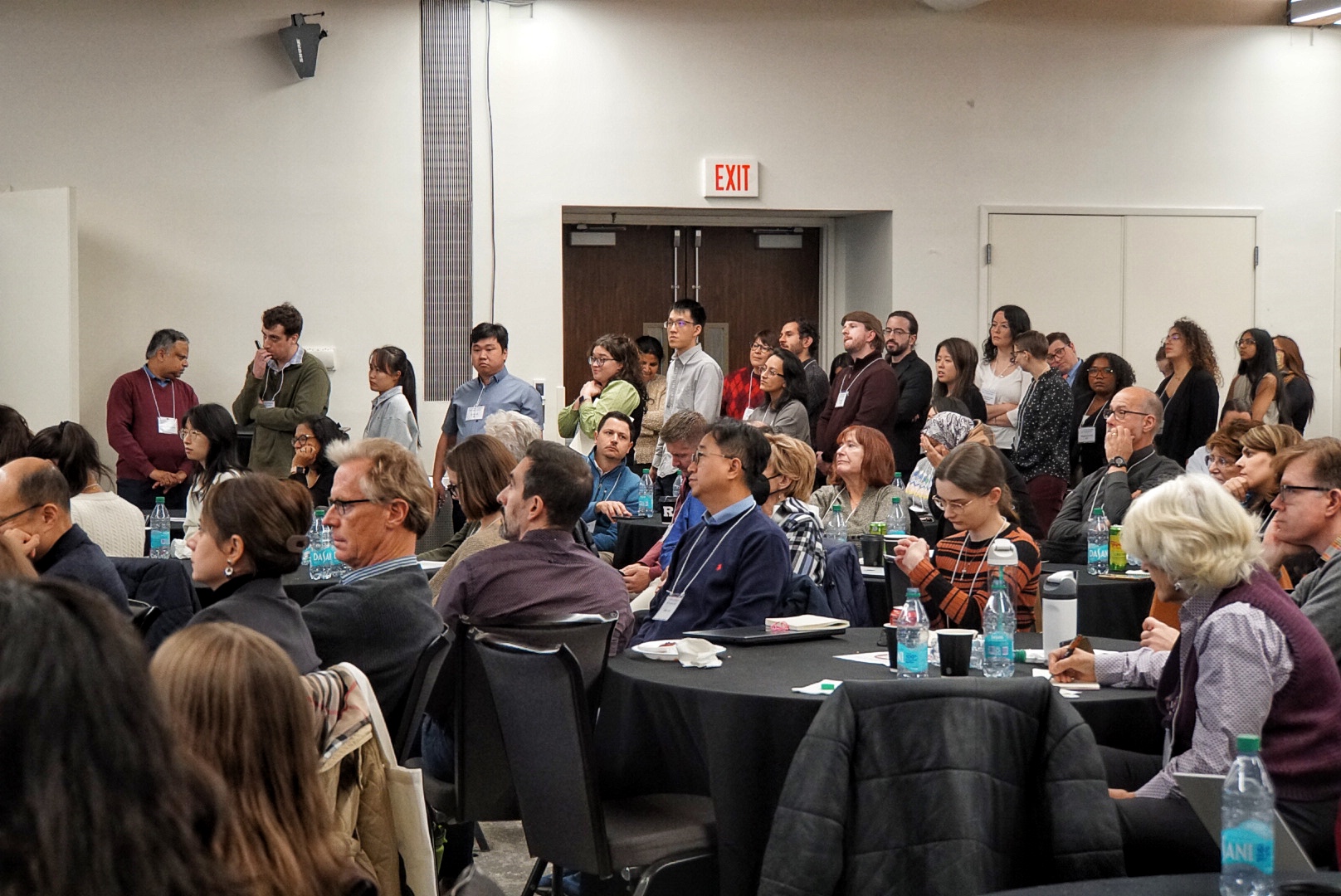
We were thrilled to host the 11th Annual Rutgers Brain Health Institute (BHI) Symposium, welcoming over 315 attendees—our highest turnout yet—for a full day of scientific exchange, interactive sessions, and networking. Held on Wednesday, December 3, 2025, at the Busch Student Center in Piscataway, the event brought together academic leaders, researchers, and industry professionals for a dynamic program that included a keynote lecture by Moses V. Chao, PhD, research talks by BHI faculty, 25 two-minute trainee flash talks, a poster session featuring 58 trainee posters; the annual Brain Art Exhibition, a federal funding landscape update, and networking receptions and vendor showcases. New this year, we offered virtual access, allowing participants to join remotely.


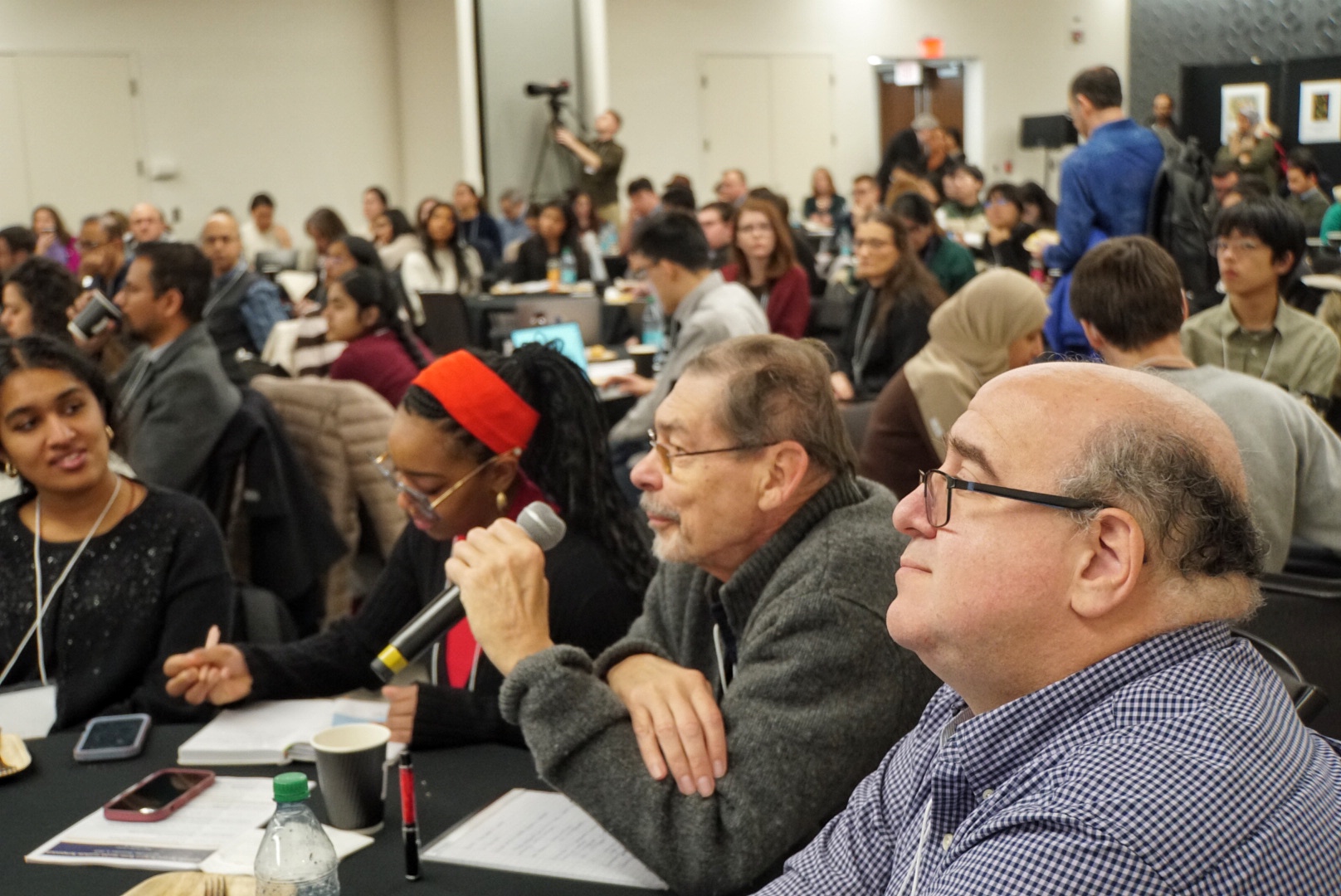


Keynote Speaker
Moses V. Chao, PhD
Professor of Cell Biology, Neuroscience & Physiology, and Psychiatry, NYU Langone Medical Center
Dr. Chao delivered an inspiring keynote lecture titled “Mysteries of Neurotrophic Factors.” Dr. Chao explored the complex biology of neurotrophic factors and their critical roles in neuronal and glial cell function, neural development, neurodegeneration, and therapeutic innovation. His work integrates molecular biology, receptor signaling, and behavioral neuroscience to unravel the brain’s intricate mechanisms, and his visionary leadership has established him as a pivotal figure in advancing neuroscience research.

BHI Faculty Talks
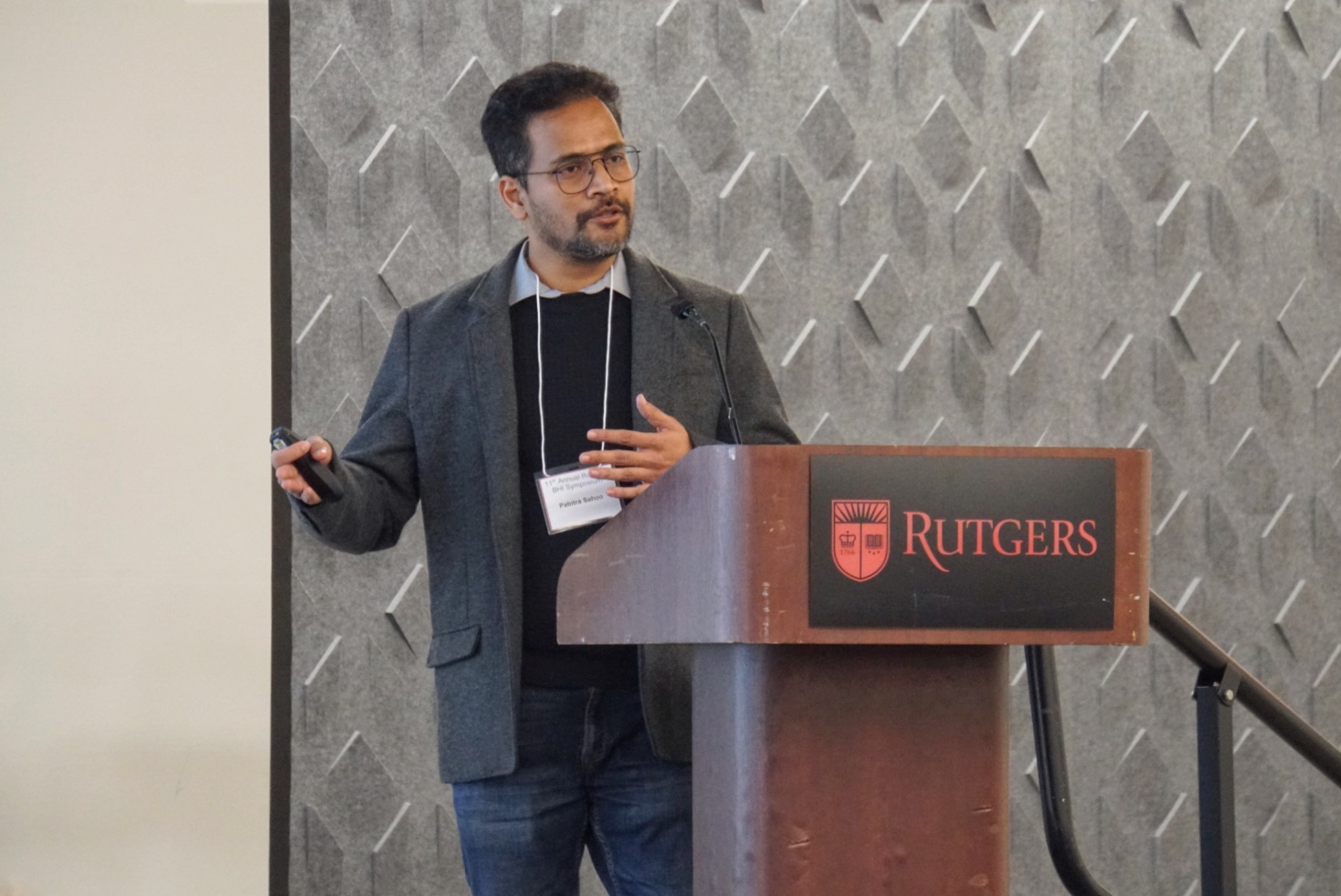
The symposium began with welcome remarks from Chancellor Brian Strom of Rutgers Health, followed by updates on BHI’s initiatives and accomplishments from Dr. Gary Aston-Jones, Director of BHI.
Faculty from across Rutgers then presented their cutting-edge research, sharing updates on ongoing studies and highlighting their areas of scientific focus. These presentations provided attendees with a deeper understanding of the breadth and impact of neuroscience research happening across Rutgers.



Trainee Poster Session & Flash Talks
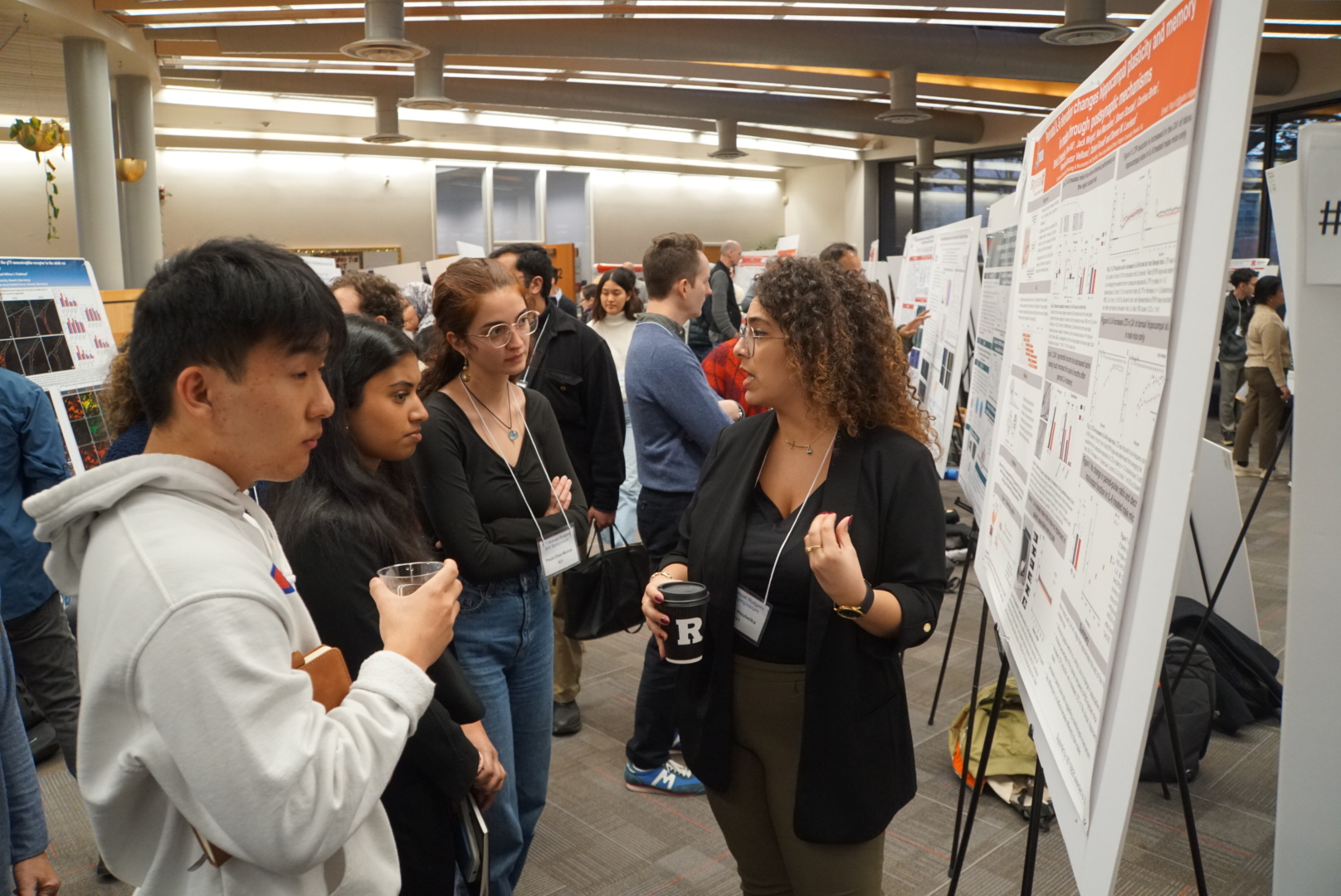
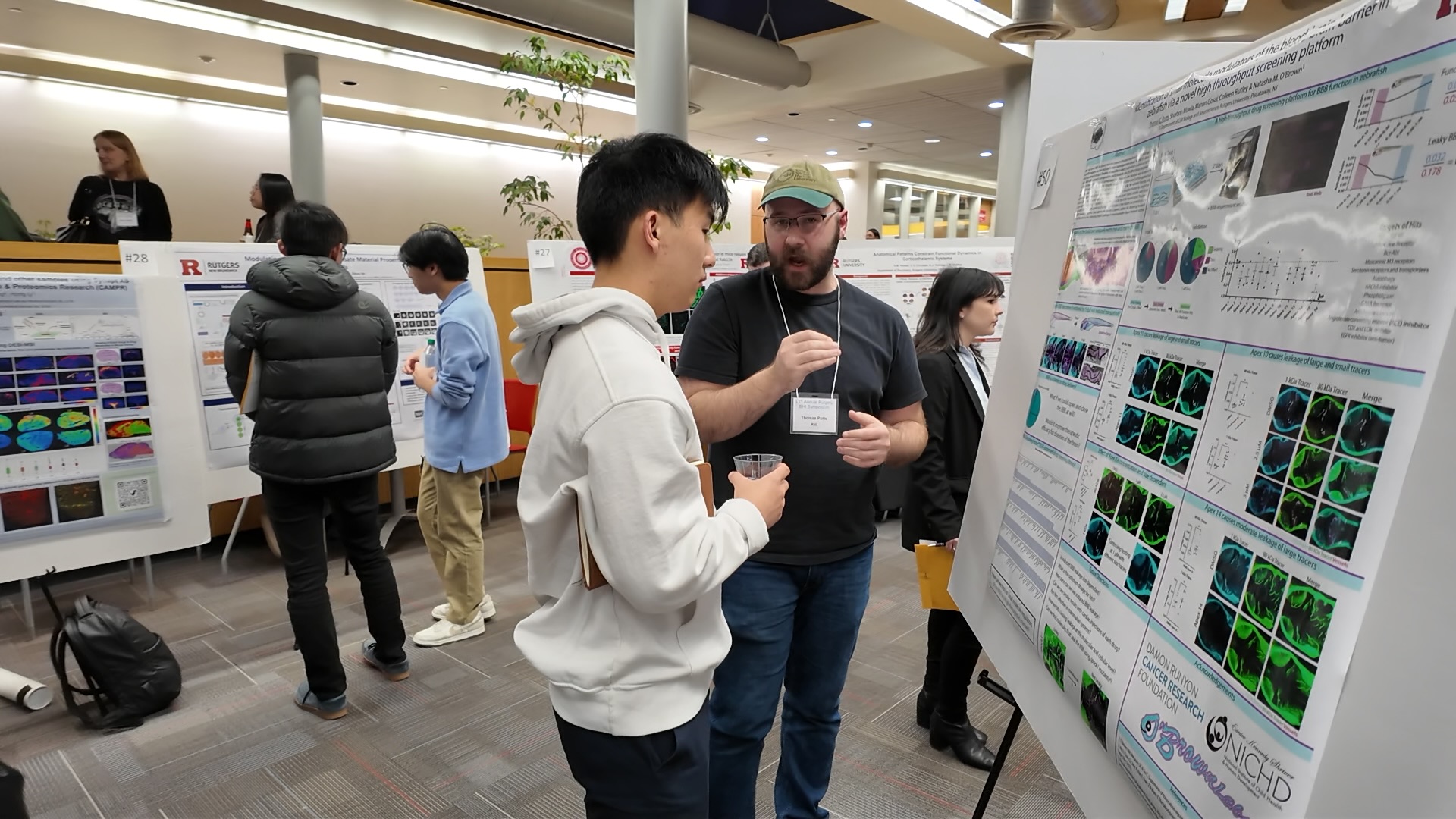
This year’s symposium showcased 58 trainee posters across a wide range of neuroscience disciplines. The top 25 posters were selected to present two-minute flash talks.








Poster Award Winners


Brain Art Award Winners


Special Presentation: Federal Funding Landscape
Lewis-Burke Associates
Lewis-Burke provided an informative overview of the rapidly changing federal research funding landscape.


