

Post-Holiday Brain Reset: Your Toolkit for a Strong Start in 2026

The holidays bring joy, connection, and yes – a bit of indulgence. But as the decorations come down and routines resume, many of us feel the “post-holiday blues”: fatigue, low motivation, irritability, or just a general letdown. You’re not alone – this is common, short-lived, and tied to disrupted sleep, less sunlight, and fluctuations in key brain chemicals like dopamine and serotonin.
At the Rutgers Brain Health Institute (BHI), home to over 300 labs advancing neuroscience in addiction, neurodegeneration, mental health, and beyond, we turn cutting-edge research into everyday strategies. Building on our popular 2025 Holiday Brain Health Toolkit (Celebrate Joyfully, Protect Your Brain), this post-holiday edition offers evidence-based strategies to recharge, support neuroplasticity, and build resilience. Small consistent steps can make 2026 your brain’s best year yet!
1. Restore Your Daily Rhythm
Holiday chaos can throw off your brain’s master clock (the suprachiasmatic nucleus), impacting mood and focus. Rebuilding structure primarily through light exposure and consistent routines helps stabilize everything.
- Set consistent sleep and wake times (aim for 7-9 hours).
- Get morning natural light—a quick outdoor walk works wonders.
- Ease into regular meals and light activity.
Brain Benefit: Consistent routines lower stress hormones (e.g. Cortisol), protecting memory areas like the hippocampus.

2. Move Your Body Outdoors
Physical activity boosts BDNF (brain-derived neurotrophic factor)- a protein that supports new neuron growth and endorphins for natural mood elevation.
- Start small: 20-30 minutes of walking, jogging, yoga or light cardio most days.
- Embrace the winter chill : Bundle up and outdoor movement combines exercise benefits with winter air and natural light exposure to help fight seasonal dips.
Brain Benefit: Enhances mood neurotransmitters and builds winter resilience.

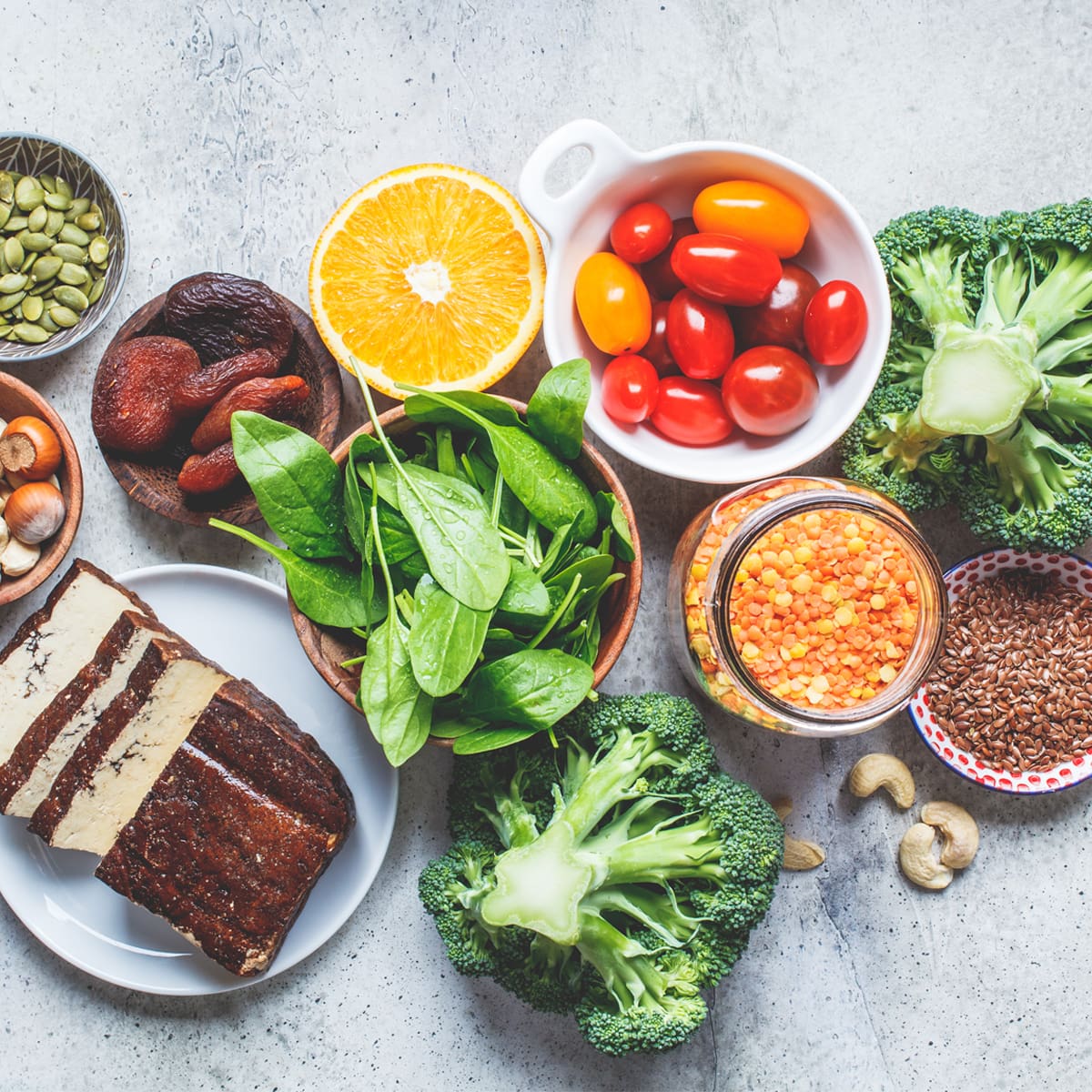
3. Fuel Your Brain with Nutrient-Rich Foods
Swap holiday sweets for anti-inflammatory, brain supportive choices to clear brain fog and sharpen focus.
- Emphasize fatty fish (like salmon), walnuts, berries, leafy greens, and dark chocolate.
- Stay hydrated; limit excess caffeine or alcohol (recall our toolkit’s “1-1 Rule”: alternate any alcoholic drink with water).
Brain Benefit: Fights oxidative stress and sharpens cognition.
4. Practice Mindfulness & Gratitude
These strengthen the prefrontal cortex for improving emotional regulation and clarity.
- Try 5-10 minutes of meditation or deep breathing daily.
- Journal three things you’re grateful for to shift perspective and reframe for positivity.
Brain Benefit: Reduces rumination and stress and boosting mental clarity.

5. Reconnect & Seek Support
Social bonds- through eye contact, touch, laughter, and meaningful conversations with loved ones or even pets—release oxytocin, countering isolation and boosting mood..
- Schedule calls, coffee meetups, or casual check-ins.
- If low mood persists beyond 2 weeks or intensifies, don’t hesitate to reach out.

Rutgers Resources:
- Revisit our 2025 Holiday Brain Health Toolkit for complementary recovery tips.
- Counseling, ADAP & Psychological Services (CAPS): Call 848-932-7884 or visit for counseling. https://health.rutgers.edu/counseling-services
- UWill Teletherapy: 24/7 crisis support, wellness videos, and programming at https://health.rutgers.edu/uwill
- TogetherAll: Anonymous peer-to-peer support at https://togetherall.com/en-us/join/rutgers/
National Helplines:
- 988 Suicide & Crisis Lifeline (call/text/chat 24/7).
- Crisis Text Line: Text HELLO to 741741.
- NJ Hope Line: 855-654-6735.
Your brain is remarkably resilient. With these evidence-based tools from Rutgers BHI, start small, track your progress, and celebrate every step forward. Here’s to a vibrant, focused, and healthy 2026!
Explore More
Stay up to date with updates on events and trainee opportunities.
