

How Federal Research Funding Is Changing—and What It Means for Brain Health
Federal support is one of the main engines behind medical discovery in the United States. It helps universities and hospitals run clinical trials, train the next generation of scientists, and develop new treatments that improve lives.
Right now, that engine is under pressure.
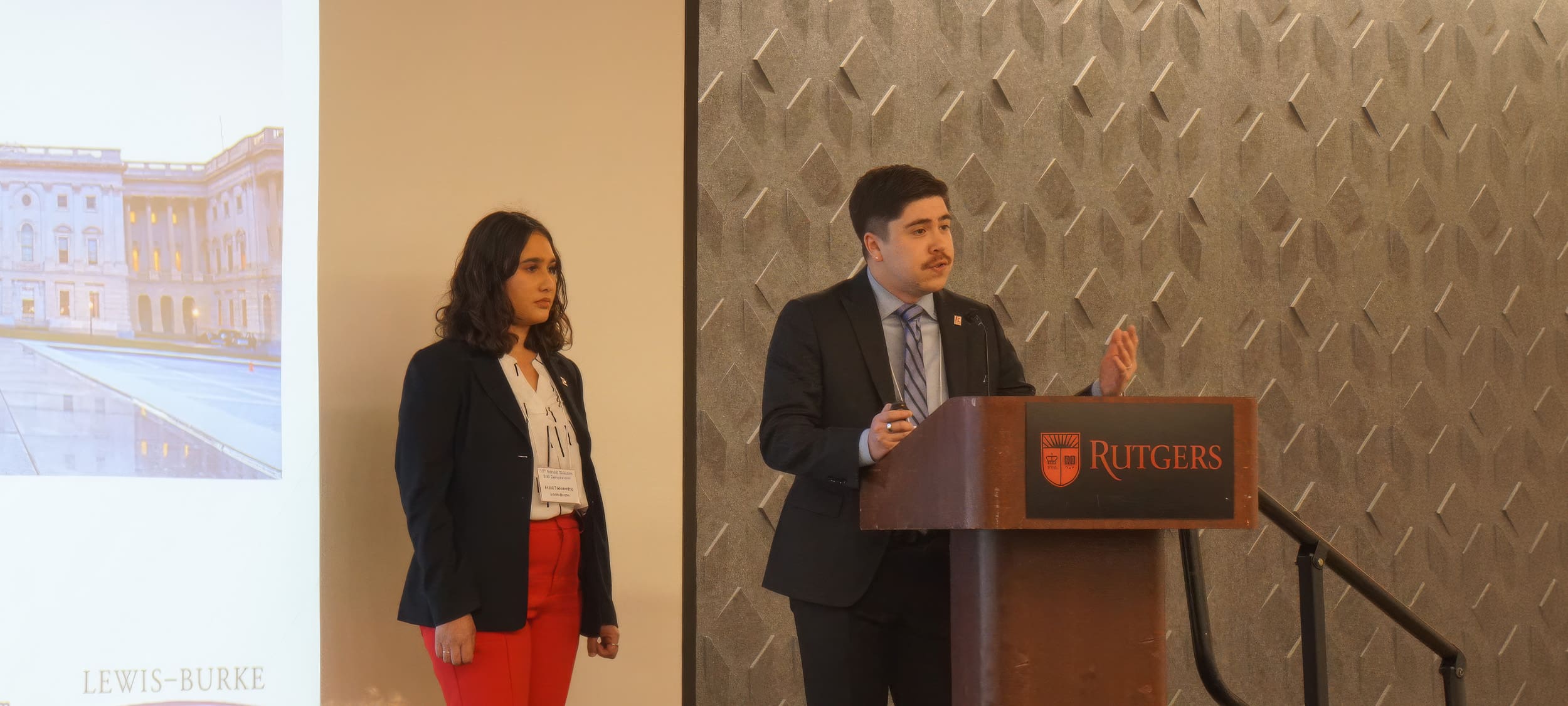
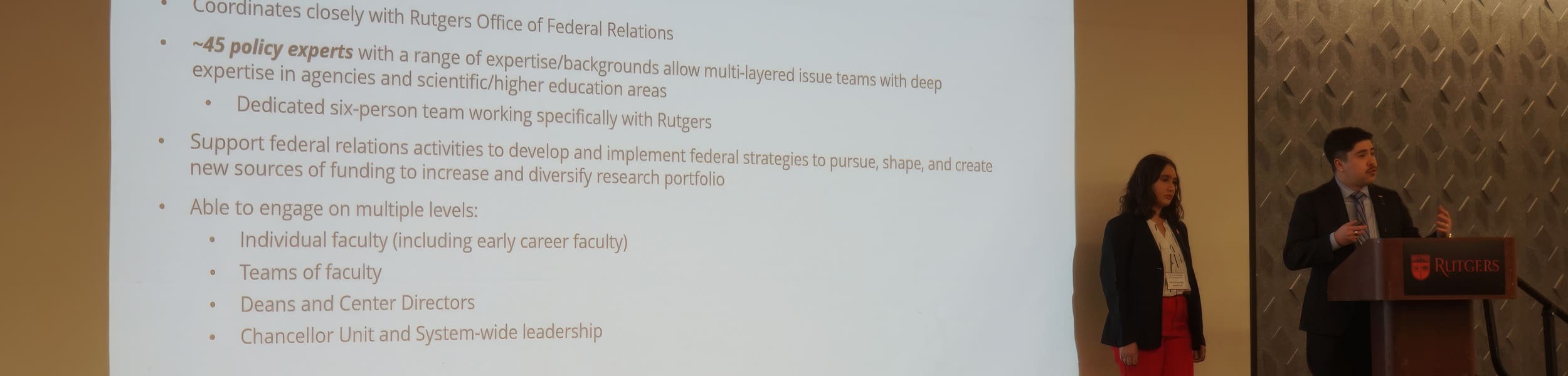
In a special presentation at the Brain Health Institute Symposium, policy experts from Lewis Burke Associates—who have advised Rutgers for more than two decades—described a federal landscape defined by disruption, uncertainty, and tighter budgets. Their core message was pragmatic and encouraging: while the funding environment is more competitive and dynamic, strong science aligned with emerging priorities can still thrive—and early adaptation is key.
The “new normal” is constrained funding—and faster change
The presenters described a year marked by rapid, large-scale change across government, contributing to a more constrained funding environment overall. They emphasized that it would be a mistake to assume the next phase is simply “back to normal.”
Their read: both the administration and Congress are moving from disruption to a new set of proactive priorities—but with new mechanisms, new partnerships, and different expectations that could reshape how and where federal dollars flow.
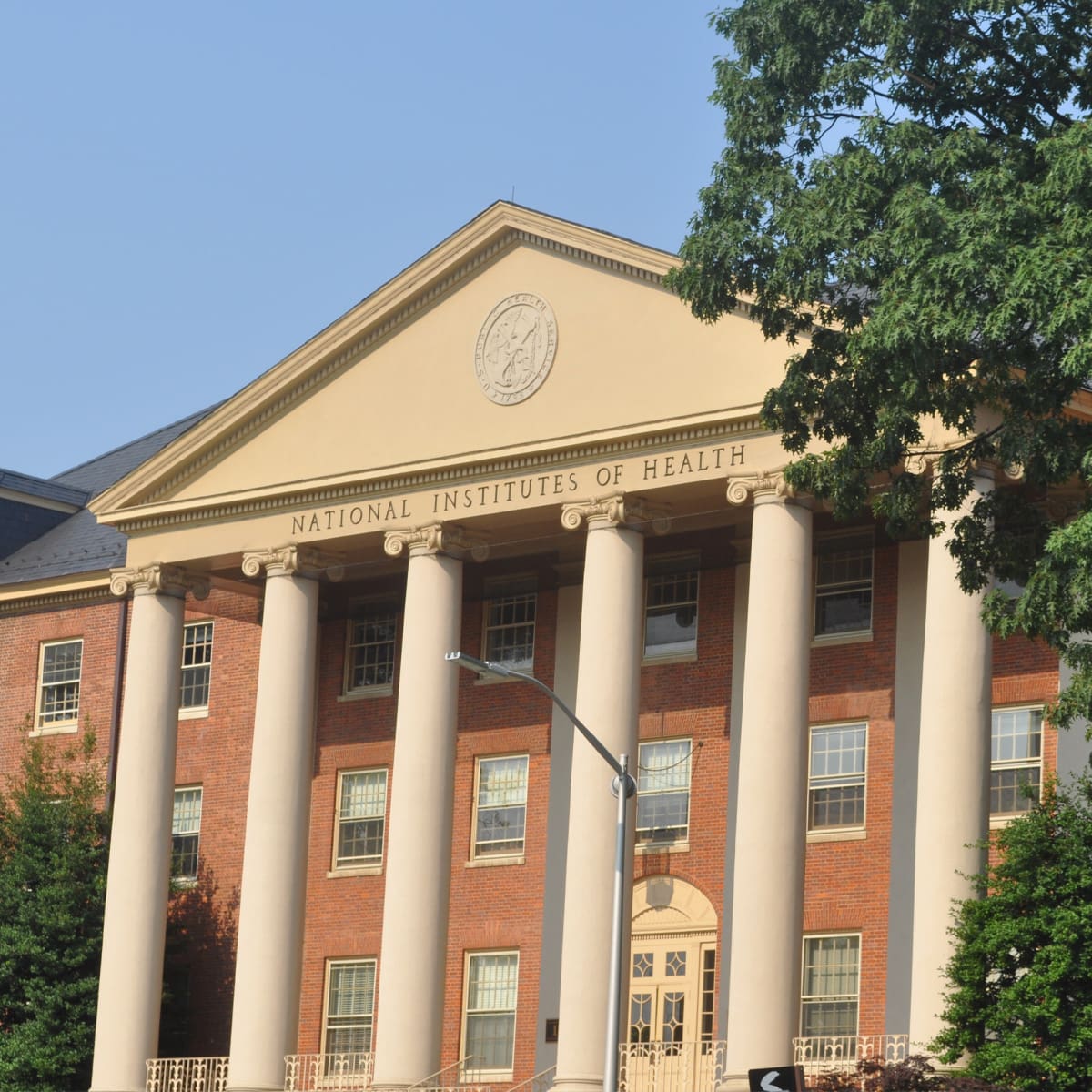
NIH is shifting how it chooses what to fund
While “NIH funding” may seem like one uniform system, the agency includes 27 institutes and centers, each with distinct missions. Historically, many NIH funding decisions closely tracked peer review scores and “pay lines” (a funding cutoff that determines which proposals are supported).
That model is changing.
The panel described a push toward greater centralization under the NIH Office of the Director and Center for Scientific Review, alongside proposed changes to peer review and decision-making. The important translation is this:
- Peer review scores remain important —but they may be less decisive in isolation.
- Additional factors now influence decisions beyond pure scientific merit.
What will matter more in NIH decisions
The panel highlighted a set of criteria expected to carry more weight going forward:
- Alignment with NIH-wide priorities (not only a single institute’s interests)
- Portfolio balance (how a proposal fits among what NIH is already funding)
- Geographic balance (how funding is distributed across regions)
For research institutions in states already rich in biomedical capacity, geographic balancing may present additional competition—another reason they urged researchers to build partnerships beyond their usual circles.
What topics are likely to stay strong—and emerging opportunities
The panel emphasized that longstanding congressional priorities remain influential at NIH. Areas with durable bipartisan backing—such as cancer, Alzheimer’s disease and related dementias, neuroscience, and diabetes—are not expected to lose ground.
At the same time, researchers should watch for increased attention to areas framed under broader health priorities, including:
- Nutrition and chronic disease connections
- Environmental exposures (sometimes described as “exposomics”)
- Mental well-being , exercise, outdoor access, and lifestyle interventions
- Autism and other developmental disorders
- Data science, AI, and advanced analytics in health research
- Non-animal models (in vitro and computational approaches)
The practical implication is not political. It’s strategic: proposals that clearly connect to these priorities—and explain why the chosen methods are essential—may be better positioned in a competitive environment
Multi-year “forward funding”: faster money now, tighter flexibility later
The Q&A also addressed “forward funding,” where agencies provide multiple years of funding up front rather than year-by-year. The panel noted this approach is being used in some places to move dollars out the door more efficiently during disrupted fiscal cycles.
But there is a tradeoff: forward funding can constrain later-year budgets, potentially reducing flexibility even if award counts stay steady. For the public, the key point is that budgeting mechanics—not just scientific value—can shape what gets funded when.
Indirect costs remain an open issue
Indirect costs (often called “overhead”) fund the real infrastructure of research: compliance, safety, data security, facilities, and administration that make federally funded science possible.
The panel noted that proposals to cap indirect costs have faced court challenges and that appropriations language from Congress has been pushed back to varying degrees. The FY26 package reinforced the existing negotiated-rate system and blocked unilateral changes, though discussions on long-term improvements (e.g., alternative models) continue.
The takeaway for brain health: science remains strong, but strategy matters more
The panel’s central message was optimistic and actionable : researchers and institutions can remain competitive, but they must be ready to:
- Clearly connect rigorous science to stated national and NIH priorities
- Build diverse partnerships across regions, disciplines, and sectors
- Staying informed about evolving review and decision process.
For brain health, this is not an abstract policy debate. It influences how quickly discoveries move—from lab to clinic to community impact.
Make A Difference
Become part of our mission to revolutionize neuroscience. Whether you’re a researcher, clinician, or supporter, your involvement can help shape the future of brain health.
