

Neurotrophic Factors Explained: How the Brain Maintains Itself—and Why It Matters for Alzheimer’s, Depression, and Pain

How can brain cells last for decades—often 60, 70, even 80 years—while constantly adapting to new experiences, stressors, and injuries?
That question sits at the heart of research on neurotrophic factors: a family of naturally occurring proteins that help nerve cells survive, connect, and function well over time. In neuroscience, these molecules are sometimes described as “support signals,” but that label is too small. Neurotrophic factors influence how brain circuits change with learning, how the nervous system responds to damage, and potentially how risk builds for conditions like Alzheimer’s disease, Parkinson’s disease, depression, and chronic pain.
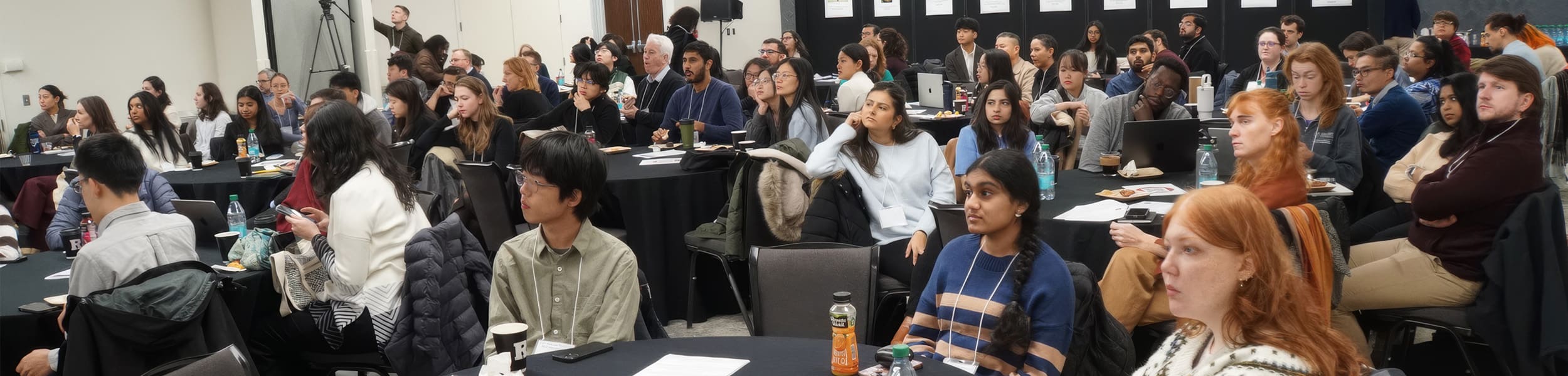
In his December 2025 keynote at Rutgers’ Brain Health Institute Symposium, neuroscientist Moses V. Chao, PhD (NYU Grossman School of Medicine) walked through what researchers know—and what they still don’t—about these powerful signals. The big picture is clear: the science is promising, but translating it into safe, effective treatments requires better understanding of timing, delivery, and the brain’s own internal “rules” for survival.
What follows is a plain-language guide to neurotrophic factors, why they matter, and where this research may lead.
What are neurotrophic factors?
Neurotrophic factors are proteins that help nerve cells (neurons) and support cells (glia) do three essential things:
- Stay alive under stress
- Build and maintain connections with other cells
- Adjust brain circuits in response to experience (a process called plasticity)
Two of the best-known examples are:
- NGF (nerve growth factor)
- BDNF (brain-derived neurotrophic factor)
These molecules work by binding to receptors on cells—think of them as biological “locks” that respond to specific “keys.” Once activated, receptors trigger a cascade of internal signals that can change gene activity, strengthen synapses, or support survival.
A key point raised in the keynote: many growth factors can trigger overlapping signaling pathways inside cells—yet produce very different outcomes. That is one reason neurotrophic factor biology remains so scientifically rich (and clinically challenging).
Why the same signals can lead to different outcomes
Researchers have long known that different growth factors can activate similar internal signaling routes—yet one factor may push cells toward growth and division, while another supports specialization and neural function.
One reason may be that neurotrophic signaling is shaped by details that are easy to underestimate:
- Which ligand is present (there are families of related molecules)
- Which receptors are activated (some receptors respond differently to mature versus precursor forms)
- Where receptors are located (cell surface vs. internal compartments)
- How long signaling lasts (seconds vs. hours vs. sustained exposure)
This last point—timing—is especially important for brain health.
Timing matters more than most people realize
In neuroscience, it’s tempting to think in simple cause-and-effect terms: add a helpful factor, get a helpful outcome.
But neurotrophic factors do not always behave like an on/off switch. Evidence discussed in the keynote suggests that how quickly a factor is delivered and how long it stays active can change what a neuron does in response.
That matters because, for years, scientists have explored neurotrophic factors as potential therapies. If timing alters outcomes, a treatment could fail not because the target is wrong—but because the delivery doesn’t match biology.
The treatment challenge: why early neurotrophic therapies struggled
If neurotrophic factors support survival and plasticity, why not treat neurodegenerative diseases by simply giving patients more of them?
This has been attempted. Decades ago, trials explored neurotrophic factors in conditions such as Alzheimer’s disease, ALS, and diabetic neuropathy. Many approaches failed to show meaningful benefit, and side effects were a major issue.
The keynote highlighted several reasons these therapies proved difficult:
- Side effects (including pain sensitivity and weight loss in some settings)
- Poor diffusion in the brain (these proteins don’t spread easily through the central nervous system)
- Delivery barriers (getting large proteins where they need to go is hard)
- Incomplete understanding at the time of receptor biology, localization, and pharmacokinetics
The takeaway is not that neurotrophic factors “don’t work.” The takeaway is that the brain is not an easy place to deliver protein therapies, and the field needed deeper mechanistic knowledge before translation could succeed.
A surprising finding: some neurons become less dependent over time
One of the most thought-provoking ideas from the keynote is a phenomenon that challenges a classic belief in neurobiology.
In early development, many neurons are highly dependent on trophic support. Remove that support, and cells can undergo programmed cell death. That concept is foundational.
But older experiments—and more recent confirmations—suggest something unexpected: as certain neurons mature, they may become less dependent on a neurotrophic factor for survival.
In studies of sympathetic neurons (a relatively uniform neuron type used in lab research), removing NGF early leads to cell death. Yet when those neurons are allowed to mature for weeks, many can survive even after NGF is withdrawn.
This raises major questions researchers are actively working to answer:
- What changes during maturation that allows survival?
- Is this “independence” protective—or does it come with tradeoffs?
- Can understanding this switch help explain vulnerability in aging or disease?
For brain health, this line of research matters because it suggests neurons may have different survival states—and those states may change across a lifespan.
From survival to memory: why BDNF is tied to plasticity
Neurotrophic factors are not only about keeping neurons alive. They are also about how neurons communicate and adapt—which is central to learning and memory.
BDNF, in particular, has been strongly linked to synaptic plastic hookup: how synapses strengthen or weaken based on activity. In the keynote, one downstream molecule discussed was NARP (also known as NPTX2)—an activity-associated protein connected to synaptic function in hippocampal circuits important for memory.
Why does this matter for the public?
Because when brain circuits lose healthy plasticity, the earliest signs are often not cell death. They are changes in communication—subtle shifts that may contribute to cognitive symptoms long before major degeneration is visible.
Some research has reported reduced levels of NPTX2 in brain tissue samples associated with neurodegenerative disease, which is one reason scientists are interested in it as a potential biomarker candidate.

The “workaround” strategy: support the pathway without delivering the protein
If delivering neurotrophic proteins to the brain is difficult, what’s the alternative?
Researchers are increasingly focused on ways to support neurotrophic signaling indirectly, such as:
- Identifying small molecules that produce “trophic-like” effects
- Finding ways to increase the brain’s own production of factors like BDNF
- Exploring receptor cross-talk (for example, signaling through other receptor types that can influence neurotrophic pathways)
This is where public interest tends to spike—because one of the most consistent BDNF-linked findings is not a drug. It’s behavior.
Exercise and the brain: one of the most consistent BDNF signals
A key point emphasized in the keynote is that physical exercise is among the most well-established ways to increase BDNF-related activity in the brain in research settings.
Importantly, the talk also underscored nuance: in animal studies, robust changes often require sustained activity over time. Translating “dose” from animals to humans is not straightforward, and researchers are still working to understand what patterns of movement best map to durable brain changes.
Still, this line of science is valuable because it points toward a broader idea: the brain’s health is shaped not only by what happens inside the brain, but by signals coming from the body.
A body-to-brain pathway: how metabolism can influence brain gene expression
One of the more compelling mechanistic threads in the keynote involved beta-hydroxybutyrate, a ketone body produced in the liver during fatty acid metabolism (for example, during prolonged exercise or fasting).
Why is this molecule interesting?
Because beta-hydroxybutyrate has been shown to influence gene regulation through epigenetic mechanisms, including effects on enzymes involved in chromatin structure. In simple terms: it may help shift cells toward a state where certain genes—potentially including BDNF—can be expressed more easily.
This doesn’t mean ketogenic diets are a universal solution. In the Q&A, results were described as mixed and variable across conditions and individuals. The scientific direction here is broader: metabolic signals may be part of how the body communicates with the brain to shape resilience.
What’s next: noninvasive stimulation and new ways to raise trophic activity
The keynote closed with a forward-looking concept: emerging evidence suggests noninvasive stimulation approaches—such as focused ultrasound—may influence trophic factor pathways, including BDNF-related activity.
This is early science, and important questions remain (for example, which brain regions to target, why results vary, and how durable changes are). But the significance is strategic: researchers are actively exploring ways to support brain-protective pathways without relying on direct protein delivery.
What to take away—without overpromising
Neurotrophic factors are central to how the nervous system maintains itself across decades. They connect survival, plasticity, and disease risk in ways that are scientifically credible and clinically relevant.
The research also delivers a grounded message: progress depends on specificity—understanding when, where, and how these pathways should be activated.
If you’re reading as a member of the public, the most responsible takeaways are:
- These pathways are real and measurable, not speculation.
- Early treatment efforts struggled because delivery and side effects were not trivial problems.
- New approaches aim to support neurotrophic signaling more safely—through small molecules, metabolism-informed strategies, and noninvasive technologies.
- Lifestyle-related signals (especially exercise) remain among the most consistent research-linked ways to influence BDNF biology, though “dose” and translation to individuals are still being defined.
Make A Difference
Become part of our mission to revolutionize neuroscience. Whether you’re a researcher, clinician, or supporter, your involvement can help shape the future of brain health. Explore opportunities to collaborate, donate, or engage with our cutting-edge initiatives today.
