

Dr. Dah-eun Chloe Chung to Discuss “Big Tau,” a Pathology-Resistant Isoform with Therapeutic Potential | 2026 KKARC Symposium
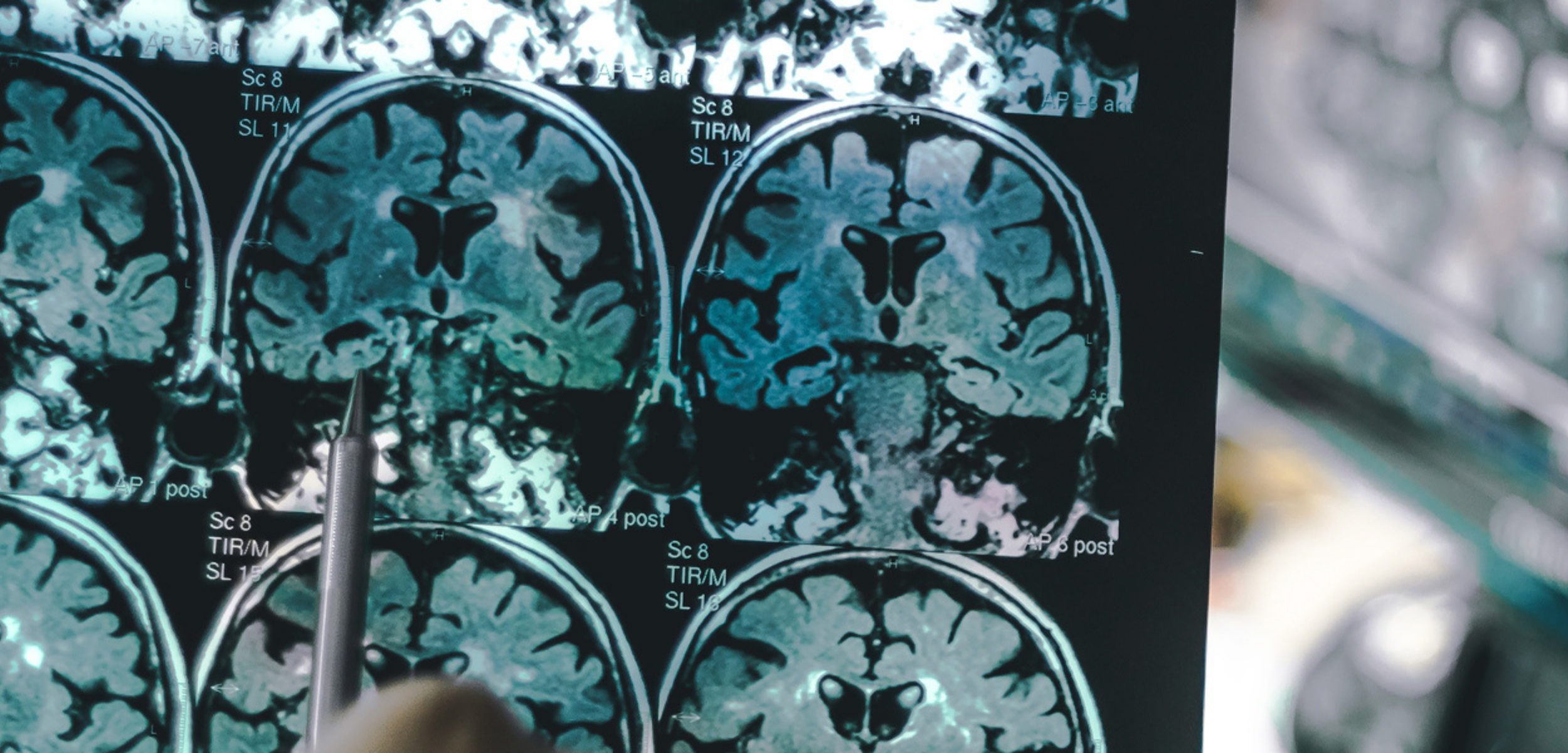
Why are some brain regions more vulnerable to tau pathology in Alzheimer’s disease while others are relatively spared? Dr. Dah-eun (Chloe) Chung will present research on a lesser-known tau isoform that may help answer this question at the Herbert and Jacqueline Krieger Klein Alzheimer’s Research Center (KKARC) 2026 Symposium on March 24, 2026. Her talk will explore “big tau,” a pathology-resistant splice isoform enriched in brain regions minimally affected by tau pathology, and its potential implications for therapeutic development. Learn more and register for the symposium before registration closes on March 1.
Dr. Dah-eun (Chloe) Chung
Assistant Professor, Department of Cell Biology and Neuroscience, RU-NB
Dr. Dah-eun (Chloe) Chung is a molecular neuroscientist with a long-standing interest in uncovering key drivers and suppressors of protein aggregation and associated pathology in neurodegenerative diseases, such as Alzheimer’s disease (AD).
Dr. Chung’s lab is curious about what can drive or suppress abnormal buildup of disease proteins in the brain, and all the other problems that come with it. We are particularly interested in how certain parts of the brain remain seemingly more protected than others during the course of disease. We will explore whether we can leverage protective molecular players in these resistant brain regions to combat neurodegeneration. Our ultimate goal is to find creative and effective ways to prevent (or even reverse!) damages caused by disease proteins in devastating neurodegenerative diseases.

Talk title: “Big tau: a pathology-resistant isoform in health and disease”
Abstract:
Cognitive decline in Alzheimer’s disease (AD) strongly correlates with the severity of tau pathology in the brain. To design effective tau-targeting treatment options, it is critical to understand the intricacy of tau pathophysiology, including why certain brain regions are more vulnerable to tau pathology than others. Recently, we found that the “big tau” splice isoform is highly expressed in the cerebellum and brainstem, brain regions minimally affected by tau pathology in AD, compared to the vulnerable forebrain. Although first identified several decades ago, big tau was initially thought to be restricted to the periphery and has remained understudied, especially in the context of the brain. Using cellular and mouse models, we found that big tau is less susceptible to pathological changes associated with AD, such as abnormal aggregation and hyperphosphorylation, detachment from microtubules, and impaired protein degradation. Analysis of human brain tissue further revealed that tau pathology is inversely linked to big tau levels, suggesting the therapeutic potential of big tau’s pathology-resisting properties. Our lab aims to further investigate the disease relevance, biological functions, and splicing regulation of big tau to define its role in health and disease.
Herbert and Jacqueline Krieger Klein Alzheimer’s Research Center 2026 Symposium
The Herbert and Jacqueline Krieger Klein Alzheimer’s Research Center Symposium (KKARC) in the Rutgers Brain Health Institute (BHI) will host its 2026 Symposium on March 24, 2026, at the Busch Student Center, Piscataway. Registration is limited to the first 140 attendees and will close on March 1.
