

Beyond the Winter Blues: Shedding Light on Seasonal Affective Disorder (SAD)
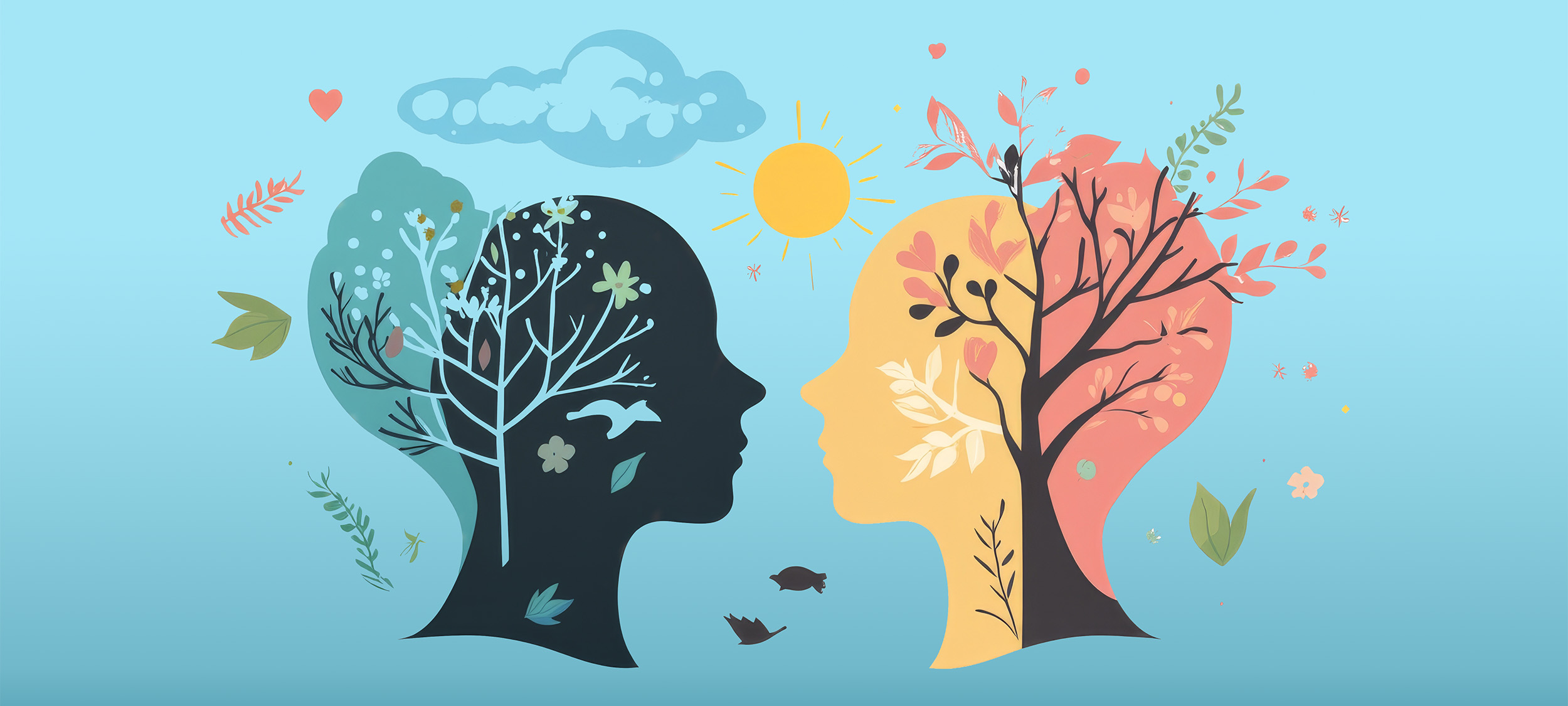
As the days shorten in late fall and winter, many people experience a gradual shift: lingering fatigue, stronger cravings for comfort foods, reduced motivation, or a sense of withdrawal. For some, these changes are mild and pass quickly – what’s often called the “winter blues.” But for millions worldwide, they signal Seasonal Affective Disorder (SAD), a clinically recognized subtype of major depressive disorder (or sometimes bipolar disorder) where depressive episodes recur predictably with the seasons.
SAD is more than a passing mood; it’s a biological response to environmental changes, particularly reduced daylight. Far from being a personal weakness or mere seasonal grumpiness, SAD disrupts sleep, appetite, energy, concentration, and overall functioning. Whether you’re a student facing winter exams, a researcher grinding through grant deadlines, a faculty member juggling lectures and labs, or anyone who feels the pull of darker days, understanding SAD empowers proactive steps toward brighter mental health.
What Exactly Is SAD?
SAD is defined by recurrent major depressive episodes tied to a specific season, typically lasting 4–5 months, with full remission in the opposite season. The vast majority experience winter-pattern SAD, with symptoms emerging in late fall or early winter and resolving by spring or summer. A much smaller group has summer-pattern SAD, which follows the reverse pattern- often triggered by heat, humidity, or long days.
To meet diagnostic criteria (per DSM-5), episodes must:
- Occur during the same season for at least two consecutive years.
- Outnumber any non-seasonal depressive episodes.
- Cause significant distress or impairment in daily life (National Institute of Mental Health [NIMH]; Mayo Clinic).
This seasonal specificity distinguishes SAD from general depression or temporary low mood. It’s not just about holidays, cold weather, or routine changes—it’s fundamentally linked to shifts in natural light exposure.
Recognizing the Symptoms
Winter-pattern SAD often features “atypical” depressive symptoms that feel distinctly seasonal:
- Persistent sad, empty, or hopeless mood
- Oversleeping (hypersomnia) and profound daytime fatigue
- Increased appetite, especially for carbohydrates, leading to weight gain
- Social withdrawal or “hibernating” tendencies
- Difficulty concentrating, making decisions, or completing tasks
- Feelings of worthlessness, guilt, or, in severe cases, thoughts of death or suicide
Summer-pattern SAD tends toward:
- Insomnia or restless sleep
- Reduced appetite and unintentional weight loss
- Heightened agitation, anxiety, irritability, or even restlessness/aggression
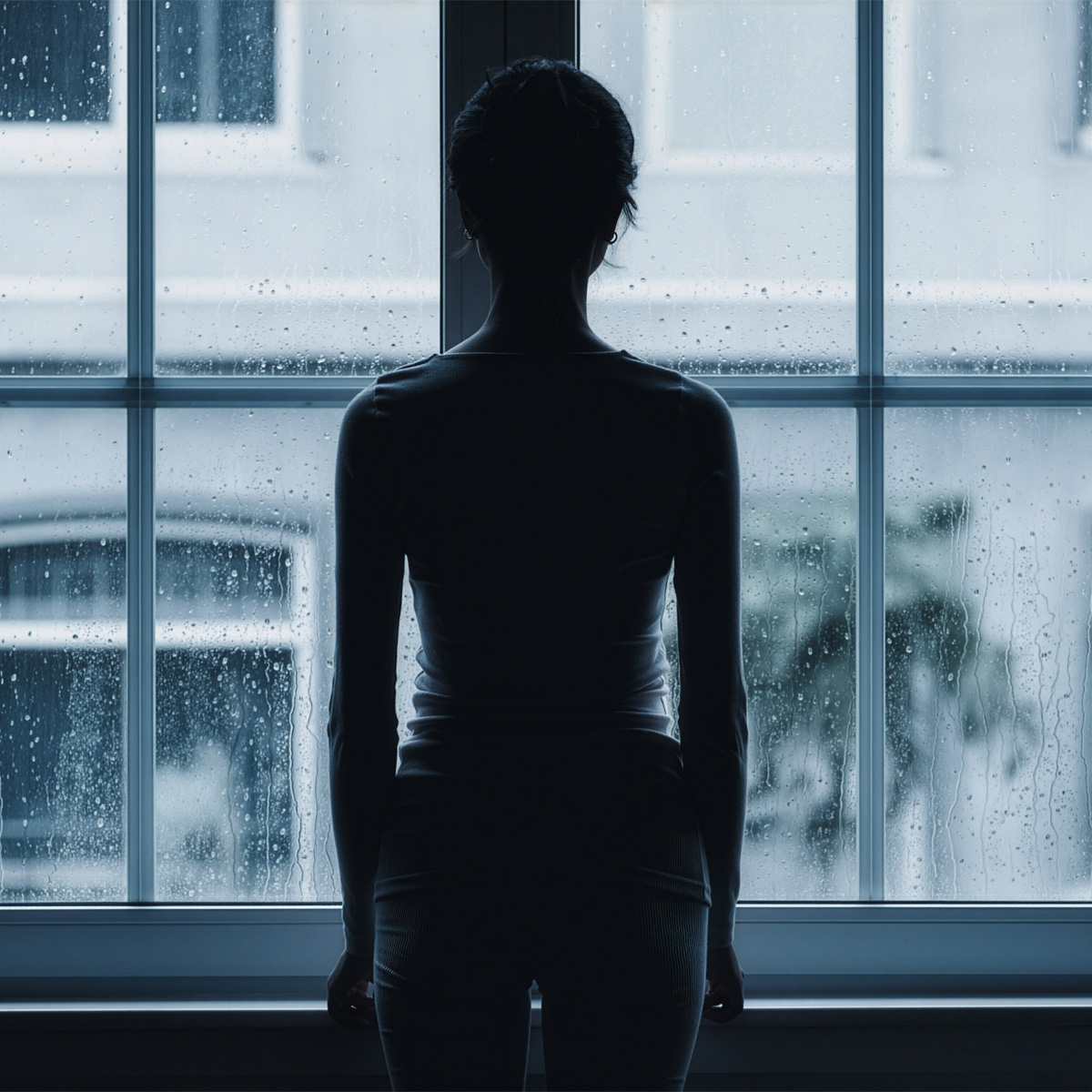
Symptoms usually build gradually and can interfere with work, relationships, academics, or self-care. If they align with seasonal changes and resolve otherwise, SAD is a likely consideration (Mayo Clinic; Northwell Health, 2026).
Who Experiences SAD – and Why?
SAD affects an estimated 5% of the U.S. population (with subsyndromal “winter blues” affecting up to 9–10% more), according to recent meta-analyses. It’s far more common in women than men (roughly 4:1 ratio), often begins in young adulthood (teens to 30s), and has a genetic component—family history of depression or bipolar increases vulnerability. Other risks include living at high latitudes, personal or family history of mood disorders, and hormonal factors (e.g., in women during menstrual cycles or perimenopause) (NIMH; Kim et al., 2025).
Biologically, experts point to:
- Circadian rhythm disruption: Shorter days delay the internal clock, misaligning sleep-wake cycles.
- Serotonin reduction: Less sunlight lowers serotonin production and activity, a key mood regulator.
- Melatonin imbalance: Excess melatonin in winter SAD causes oversleeping; insufficient in summer SAD contributes to insomnia.
- Vitamin D deficiency: Reduced sun exposure lowers vitamin D, which supports brain health and serotonin pathways (Mayo Clinic).
- Emerging evidence also links deficiencies in water-soluble vitamins contributing to depression and SAD. In particular, deficiencies in B vitamins (folate/B9, B12, thiamin, riboflavin, and niacin) and vitamin C have been reported to worsen depressive and SAD symptoms. A decrease in these vitamins’ levels can potentially reduce neurotransmitter synthesis (e.g., serotonin/dopamine pathways), elevate homocysteine and increase oxidative stress (Jahan-Mihan et al., 2024). Maintaining appropriate levels of B, C and D vitamins through healthy dietary choices and supplemental vitamins, in combination with exercise, counseling, and other therapeutic treatments can potentially improve depressive symptoms in SAD.
These mechanisms highlight why SAD feels so “physical”- it’s not just psychological but rooted in how our brains respond to seasonal light changes.
Diagnosis: Getting It Right
Diagnosis starts with a thorough evaluation by a primary care provider, psychiatrist, or psychologist. This includes:
- Detailed history to confirm seasonal recurrence.
- Symptom questionnaires (e.g., Seasonal Pattern Assessment Questionnaire).
- Physical exam and labs to rule out mimics like thyroid dysfunction, anemia, or vitamin deficiencies.
The hallmark is the clear seasonal pattern over multiple years (Mayo Clinic).
Effective, Evidence-Based Treatments
The excellent news: SAD is highly treatable, with many people experiencing major relief within weeks.
1. Bright Light Therapy (Phototherapy) – Often First-Line
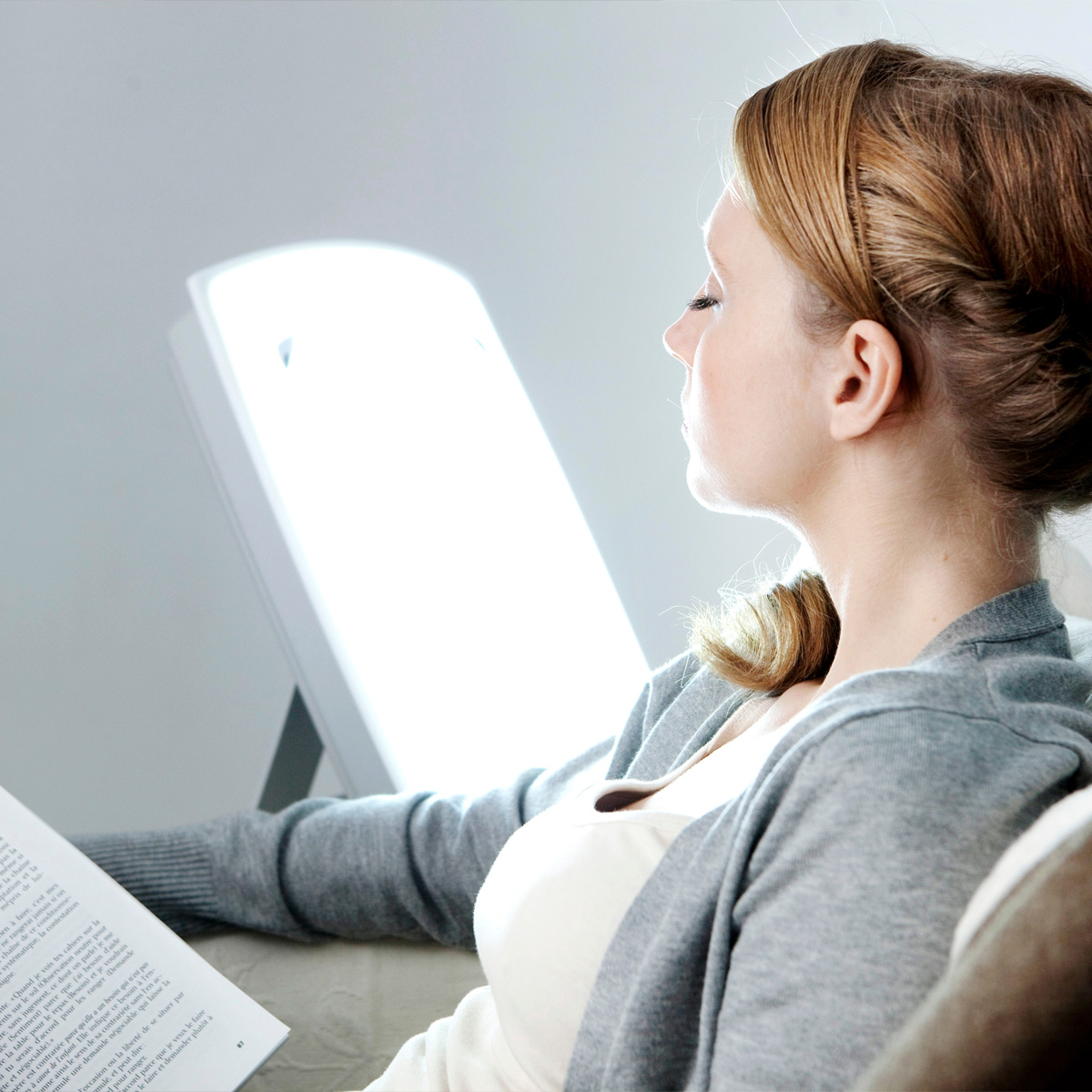
A 10,000-lux light box (UV-filtered, mimicking bright outdoor light) used for 30-45 minutes each morning soon after waking resets circadian rhythms, boosts serotonin, and curbs excess melatonin. Network meta-analyses confirm bright/white light therapy as a top performer – effective, fast-acting, with mild side effects (e.g., eye strain, headache) and often superior to or comparable with medications (Chen et al., 2024; Wan et al., 2025). It’s safe for most, including during pregnancy.
2. Cognitive Behavioral Therapy (CBT), Tailored for SAD (CBT-SAD)
This evidence-based talk therapy challenges negative seasonal thoughts (“Winter ruins everything”), encourages activity scheduling, and builds coping skills. It matches light therapy in acute relief and may offer better long-term prevention against recurrence (NIMH).

3. Antidepressant Medications
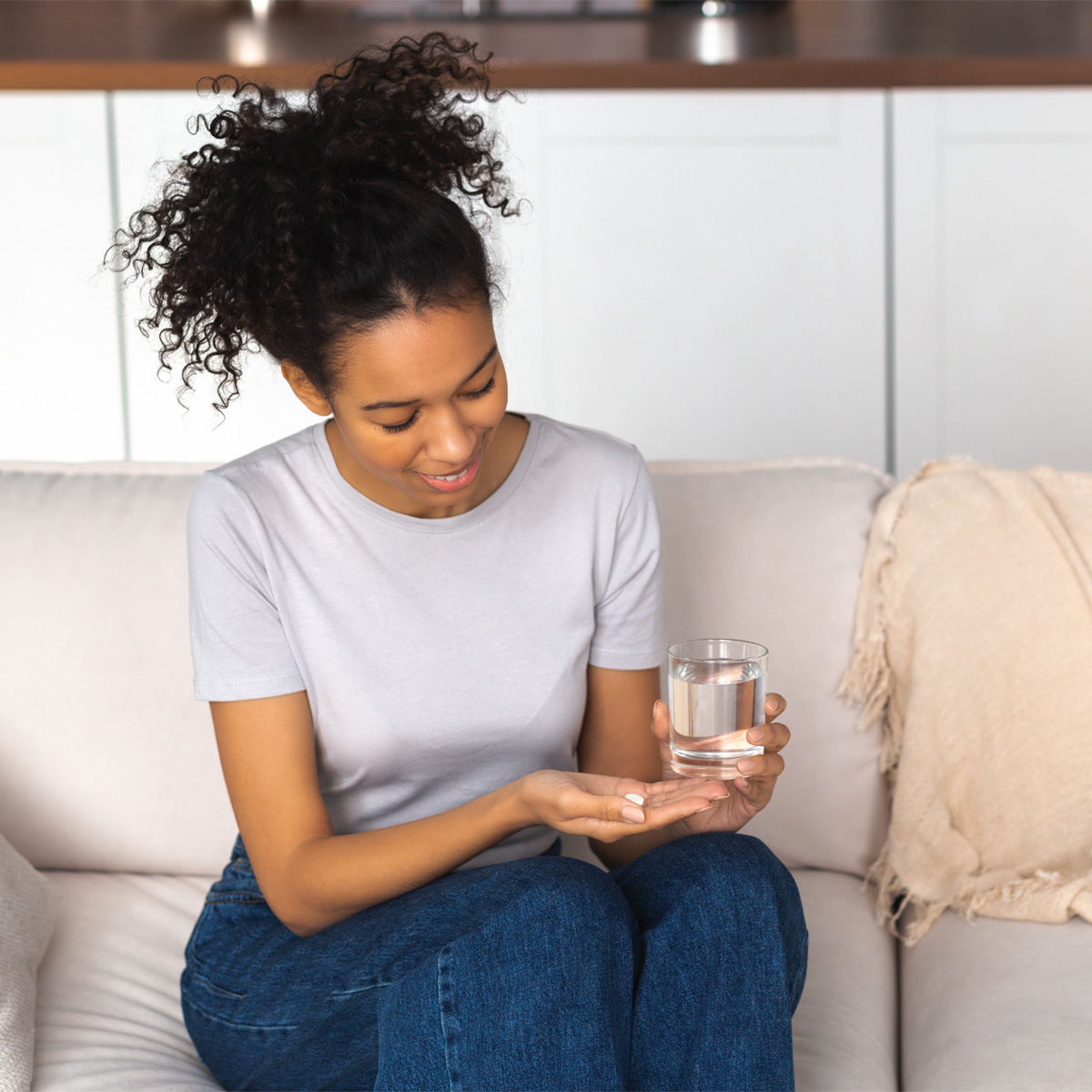
For moderate-to-severe cases, options include bupropion XL (FDA-approved specifically for SAD prevention, started preemptively in fall) or SSRIs like sertraline/fluoxetine. These are frequently combined with light or CBT (Northwell Health, 2026).
4. Lifestyle and Self-Care Strategies
- Seek natural light: Morning walks, open curtains, outdoor time even on cloudy days.
- Exercise regularly: 30+ minutes most days elevates mood and energy.
- Stick to routines: Consistent sleep, balanced meals (mind carb cravings), hydration.
- Stay connected: Combat isolation with social plans.
- Support nutrient levels (Vitamins B, C, and D): Test blood levels especially vitamin D, B vitamins like folate/B9 and B12, and vitamin C if symptoms persist or diet is limited, and supplement under healthcare provider guidance if deficient.
- Proactive prevention: Begin light therapy in early fall for known patterns.
Recent reviews underscore light therapy’s strong standing, often with high rankings in network comparisons (Chen et al., 2024; Wan et al., 2025).

Looking Ahead with Hope
SAD is real, biologically driven, and crucially responsive to intervention. Knowledge reduces stigma and empowers action. If seasonal patterns resonate, reach out: talk to a healthcare provider, use campus/wellness resources (Post-Holiday Brain Reset: Your Toolkit for a Strong Start in 2026 – BHI; ScarletWell | Rutgers–New Brunswick; https://www.rutgers.edu/news/fighting-winter-blues)
At Brain Health Institute (BHI), we prioritize evidence-informed care to help you thrive year-round. Seasons change, but your well-being doesn’t have to follow the calendar. With the right tools -light, therapy, lifestyle, support – brighter days are within reach, no matter the forecast.
References
- Chen, Z.-W., Zhang, X.-F., & Tu, Z.-M. (2024). Treatment measures for seasonal affective disorder: A network meta-analysis. Journal of Affective Disorders, 350, 531–536
- Jahan-Mihan, A., Stevens, P., Medero-Alfonso, S., Brace, G., Overby, L. K., Berg, K., & Labyak, C. (2024). The role of water-soluble vitamins and vitamin D in prevention and treatment of depression and seasonal affective disorder in adults. Nutrients, 16(12), 1902
- Kim, K., Kim, J., Jung, S., et al. (2025). Global prevalence of seasonal affective disorder by latitude: A systematic review and meta-analysis. Journal of Affective Disorders, 390, 119807
- Wan, Y., Ding, J., Fan, M., & Huang, H. (2025). Effectiveness of visible light for seasonal affective disorder: A systematic review and network meta-analysis. Medicine, 104(27), e43107
- Mayo Clinic. Seasonal affective disorder (SAD) – Symptoms & causes; Diagnosis & treatment
- National Institute of Mental Health (NIMH). Seasonal affective disorder
- Northwell Health / The Well. (2026). Is seasonal affective disorder real? Yes, and it’s treatable
Keep A Happy Brain
Stay up to date with updates on events, trainee opportunities, and the latest news by singing up for our newsletter.
