


Alzheimer’s
A practical, research-informed overview of Alzheimer’s.
Living Well with Brain Health in Mind
While a diagnosis of Alzheimer’s can be life-altering, with appropriate planning, research-vetted treatments and lifestyle strategies, support from family and community, patients and caregivers will be able to handle the challenges of this progressive disease. Rapid advances driven by research also offer hope and options. In this Brain Health Insight for You (BHI for You) article we present information and resources for patients and caregivers.
Understanding Alzheimer’s disease and dementia
Alzheimer’s disease is a brain condition that gradually affects memory, thinking, and behavior. It’s the most common cause of dementia, but it’s not a normal part of aging. Early detection and support can help people manage it effectively, stay independent longer, and maintain quality of life.
Dementia is an umbrella term for cognitive and memory changes that disrupt everyday function. Alzheimer’s disease is the most common cause of dementia, accounting for an estimated 60–80% of cases.
Alzheimer’s is not a normal part of aging. However, age is the strongest risk factor, and most people diagnosed are 65 or older. When Alzheimer’s occurs before age 65, it is often called younger-onset (or early-onset) Alzheimer’s.
Alzheimer’s is a progressive disease, meaning symptoms worsen gradually. Early stages may involve mild memory problems, while later stages can affect communication and engagement with surroundings. Life expectancy after diagnosis varies widely—often 4 to 8 years, though some people live longer depending on individual factors. Advances in care, symptom management, and emerging treatments are helping extend quality time and support well-being for individuals and families.
There is currently no cure, but treatment can help. Some medications may slow cognitive and functional decline for certain individuals, and other approaches can help manage symptoms and support quality of life—for both people living with Alzheimer’s and their caregivers. Talk to your doctor about options that would be best for your diagnosis.
Frequently Asked Qestions
-
Alzheimer’s is a brain disease that gradually affects memory, thinking, and behavior. It’s the most common cause of dementia, but it’s not a normal part of aging.The encouraging news: early detection and support can help people manage symptoms effectively, stay independent longer, and maintain quality of life.
-
Normal aging often includes occasional forgetfulness – like misplacing keys but finding them later, or briefly forgetting a name but recalling it. These are common and don’t usually disrupt daily life. Signs that may warrant a check-up are more persistent and impactful, such as repeatedly forgetting recent conversations, trouble handling familiar tasks (like paying bills), getting lost in known places, or noticeable changes in judgment/mood that affect routines. The good news: talking to a doctor early can clarify what’s happening and open helpful options
-
Dementia is a general term for cognitive decline (memory loss and confusion) that interferes with daily life. Dementia can be caused by many different neurological disorders. Alzheimer’s is the most common cause of dementia (60-80% of cases) and pathologically it is characterized by formation of plaques/tangles in the brain. As many other causes of dementia exist, getting checked early can help diagnose the underlying cause of dementia and best treatment options.
-
Early signs often include forgetting recent events, repeating questions, trouble planning tasks, or getting confused about time/place – but only when they disrupt daily life. Many forgetful moments are normal in aging (like misplacing keys but finding them later). If changes persist or worsen, seeing a doctor is a smart, proactive step as early diagnosis offers helpful treatment and planning options.
-
Alzheimer’s is typically diagnosed using different methods including cognitive tests, neurological exams, spinal fluid and blood tests, and brain imaging. More information about diagnostic tests is available here:
https://www.alz.org/alzheimers-dementia/diagnosis/medical_tests
-
Most cases are not genetically inherited. A history of Alzheimer’s in the family raises risk slightly for some people, but rare early-onset forms (before 65) can be genetic. Lifestyle and other factors play a big role too — meaning there are positive steps everyone can take to support brain health. More information about genes that increase risk versus those that determine disease, an important distinction, is avalable here:
https://www.alz.org/alzheimers-dementia/what-is-alzheimers/causes-and-risk-factors/genetics
-
Absolutely, strong evidence links heart-healthy habits to better brain health. Regular exercise, a nutrient-rich diet (like Mediterranean diet), social connections, mental stimulation (reading, puzzles, new skills), managing conditions like high blood pressure or diabetes, quality sleep, and addressing hearing issues can all support cognition and may reduce risk or help slow progression. These are positive, enjoyable steps that help everyone feel their best.
-
See a doctor sooner rather than later – it’s a positive step. Many memory issues have treatable causes (like medication side effects, vitamin deficiencies, thyroid problems, or depression), and if it’s related to Alzheimer’s or another condition, early evaluation allows for better management, access to treatments, support services, and planning that can help maintain independence and quality of life longer. Your doctor can guide testing and next steps.
-
Yes, while there’s no cure yet, effective treatment options can help. Some medications improve or stabilize memory/thinking for a time, and newer FDA-approved therapies target underlying changes to slow progression in early stages for those who qualify. Non-drug approaches—like exercise, cognitive engagement, social activities, and managing other health factors—also support daily function and well-being. Care teams tailor plans to what works best for the individual. More information about treatment options are available here:
-
Caregiving is important and rewarding, but it can be challenging—self-care makes a big difference for everyone involved. Connect with support groups (in-person or online), use respite services for breaks, prioritize your own health (exercise, nutrition, sleep), and seek resources from organizations like the Alzheimer’s Association. Many caregivers find that sharing experiences, learning coping strategies, and accepting help reduces stress and helps sustain positive caregiving.
-
Definitely—research is advancing rapidly with real excitement! Breakthroughs include improved early detection (like blood tests), treatments targeting disease processes, and prevention studies focused on lifestyle and more. At Rutgers Brain Health Institute centers like the Krieger Klein Alzheimer’s Research Center (KKARC), dedicated teams are driving innovative work. You can help by participating in research studies or donating to research to help speedup progress. To quote, Dr. Beeri, the Rutgers KKARC Director, “I imagine a world where Alzheimer’s is a curable disease”.
Important Note:
The information on this page is general and for educational purposes only. It is not a substitute for medical advice, diagnosis, or treatment. Always talk to your doctor or healthcare provider about any concerns related to memory, brain health , or Alzheimer’s disease. For free, confidential support 24/7: Alzheimer’s Association Helpline 800-272-3900 or alz.org.
Myths vs. Facts About Alzheimer’s Disease
Myth: Memory loss that disrupts daily life is just normal aging.
Fact: Occasional forgetfulness can happen with age, but persistent issues like forgetting recent events, repeating questions, or getting lost in familiar places are not normal. These warrant a check-up—early action can identify treatable causes or open management options, including Rutgers research on early detection.
Myth: Alzheimer’s disease is not fatal.
Fact: It is ultimately fatal, as it progresses to affect vital brain functions. Many live 4–8+ years post-diagnosis with good quality of life through better care and emerging therapies.
Myth: Alzheimer’s only affects memory.
Fact: While memory loss is prominent, it also impacts planning, judgment, mood, language, and behavior. Recognizing the broader signs helps families recognize signs sooner and pursue supportive options.
Myth: There’s nothing you can do to lower risk or slow it.
Fact: Lifestyle factors (exercise, diet, social ties, sleep, managing blood pressure/diabetes) can support brain health and potentially reduce risk or delay progression. At Rutgers Brain Health Institute, the Herbert and Jacqueline Krieger Klein Alzheimer’s Research Center-one of our core centers-is leading the way with innovative clinical trials testing these lifestyle-linked strategies (e.g., nutrition-based like ALA supplements) are testing these approaches.
Myth: Everyday things like aluminum, vaccines, or aspartame cause Alzheimer’s.
Fact: Decades of research show no causal link. Focus on proven factors: age, genetics (like APOE4), and modifiable habits. Rely on information from genuine sources- talk to your doctor and explore resources like our registry at adrd.rutgers.edu or the Alzheimer’s Association (800-272-3900).
Hope and Progress
Exciting Advances Happening at Rutgers Krieger Klein Alzheimer’s Research Center
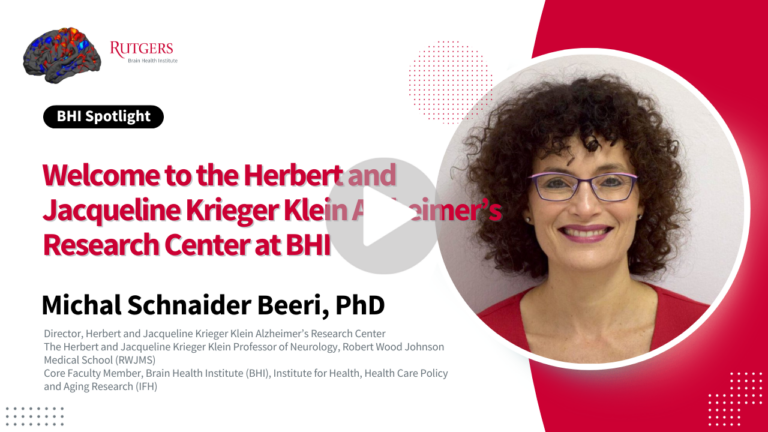
Welcome to the Herbert and Jacqueline Krieger Klein Alzheimer’s Research Center at BHI
Dr. Michal Schnaider Beeri, Director of the Herbert and Jacqueline Krieger Klein Alzheimer’s Research Center (KKARC) at the Rutgers Brain Health Institute (BHI), introduces New Jersey’s first Alzheimer’s Research Center. The center spearheads clinical research on Alzheimer’s disease (AD), aiming to develop groundbreaking medical treatments. Dr. Beeri invites passionate neuroscientists, students, families, and patients to participate in the research, working together to eradicate AD. KKARC is driving patient-focused innovation to delay, prevent, and better manage Alzheimer’s and related dementias—especially for high-risk and underrepresented groups.
Key highlights include:
- Clinical trials testing nutrition approaches, such as alpha-linolenic acid (ALA)-enriched supplements, to support memory, strengthen the brain’s protective blood-brain barrier, and promote vascular health in older adults at elevated risk (including APOE4 carriers).
- Participation in national Phase 2 trials like benfotiamine (a synthetic, highly absorbable form of vitamin B1) to potentially slow cognitive decline in mild cognitive impairment and early Alzheimer’s—Rutgers is the only New Jersey site in this multi-center study.
- A $1.5 million philanthropic gift to launch a Physician-Scientist Program, training experts to accelerate discoveries from lab to patient care.
- Ongoing recruitment for studies like the MUST (Multitasking Strategy) trial on cognitive training for attention and multitasking, plus a research registry for volunteers to match with future projects.
- Expert commentary on emerging tools, including FDA-cleared blood tests for simpler detection, repurposed drugs targeting brain changes, and non-invasive stimulation techniques to support memory networks.
- The upcoming 2026 Symposium (March 24, Busch Student Center) featuring keynote speaker, Dr. Sudha Seshadri on Alzheimer’s biology and prevention opportunities, plus poster sessions – registration now open!
These efforts show real momentum in early detection, lifestyle-based prevention, and personalized care. Many people can benefit through early action—learn how to participate or join the registry at adrd.rutgers.edu.
Alzheimer’s News and Research Updates




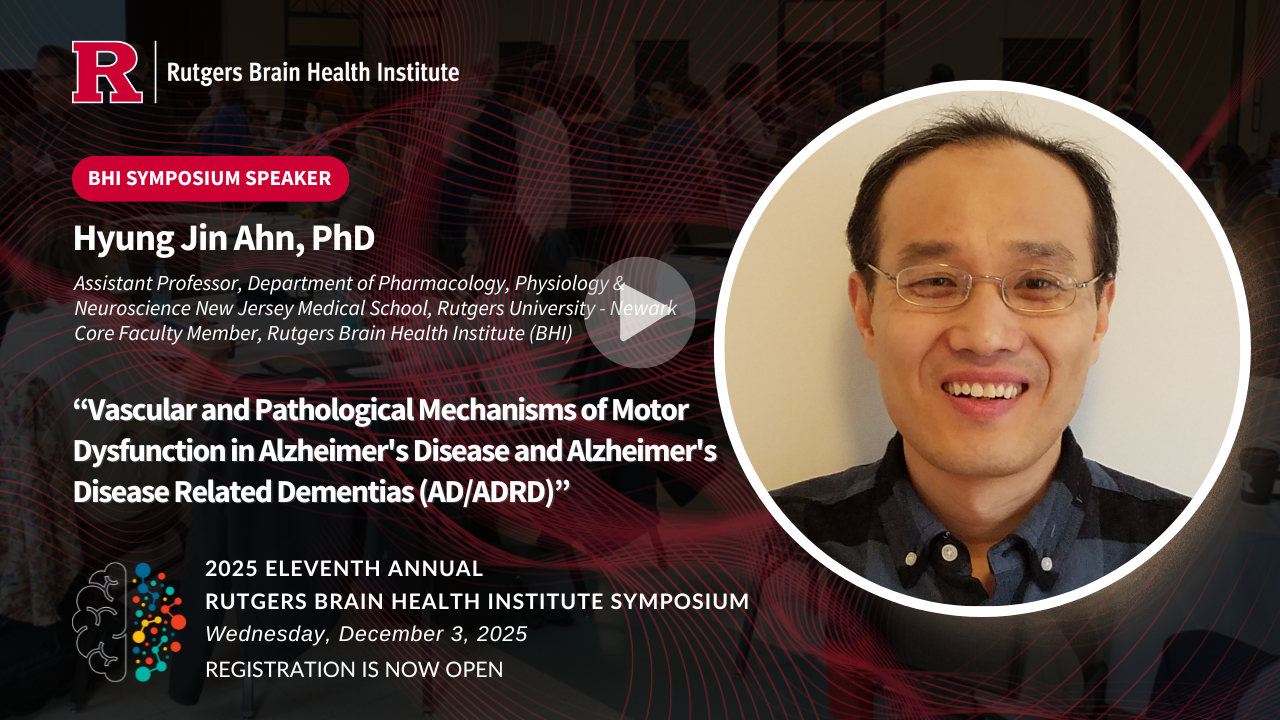
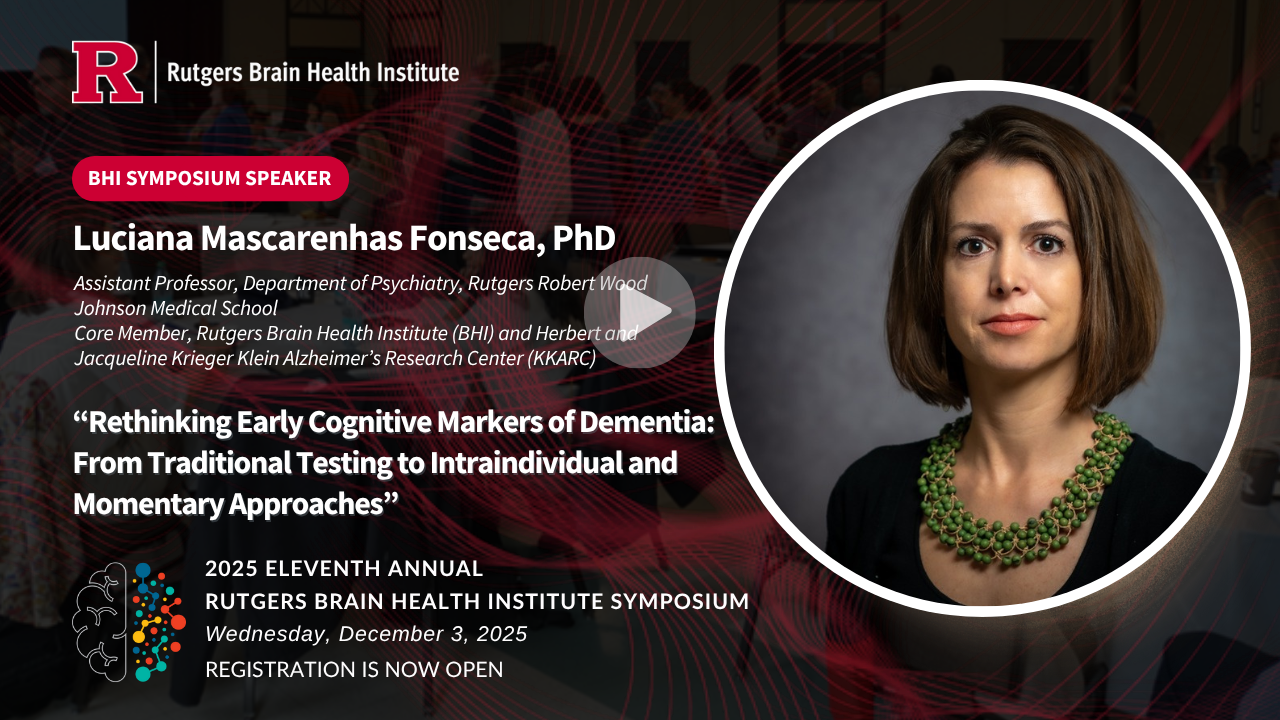
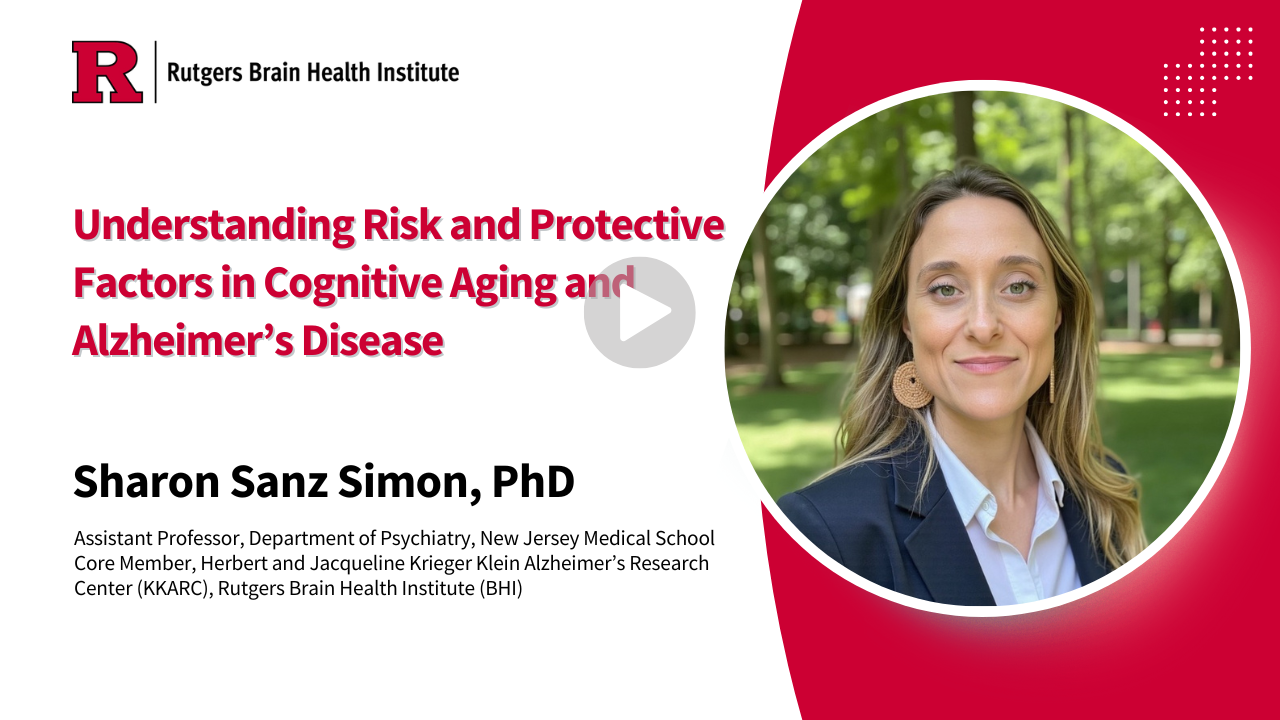
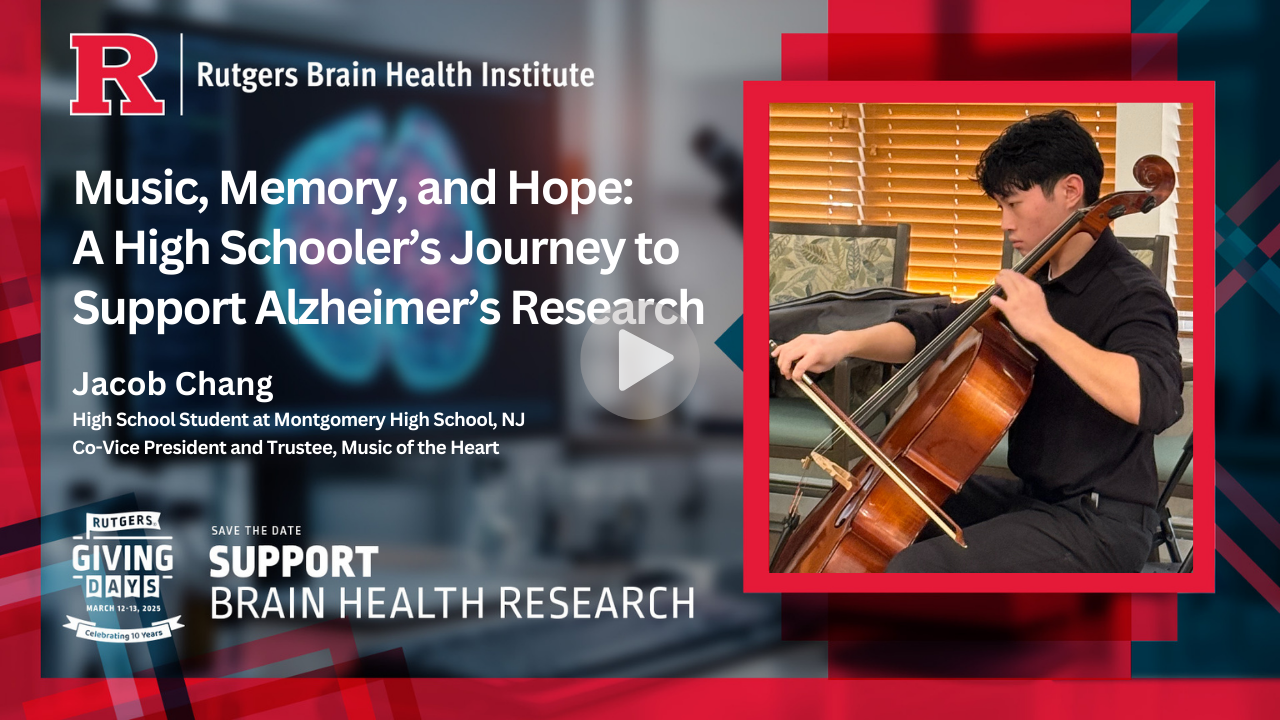
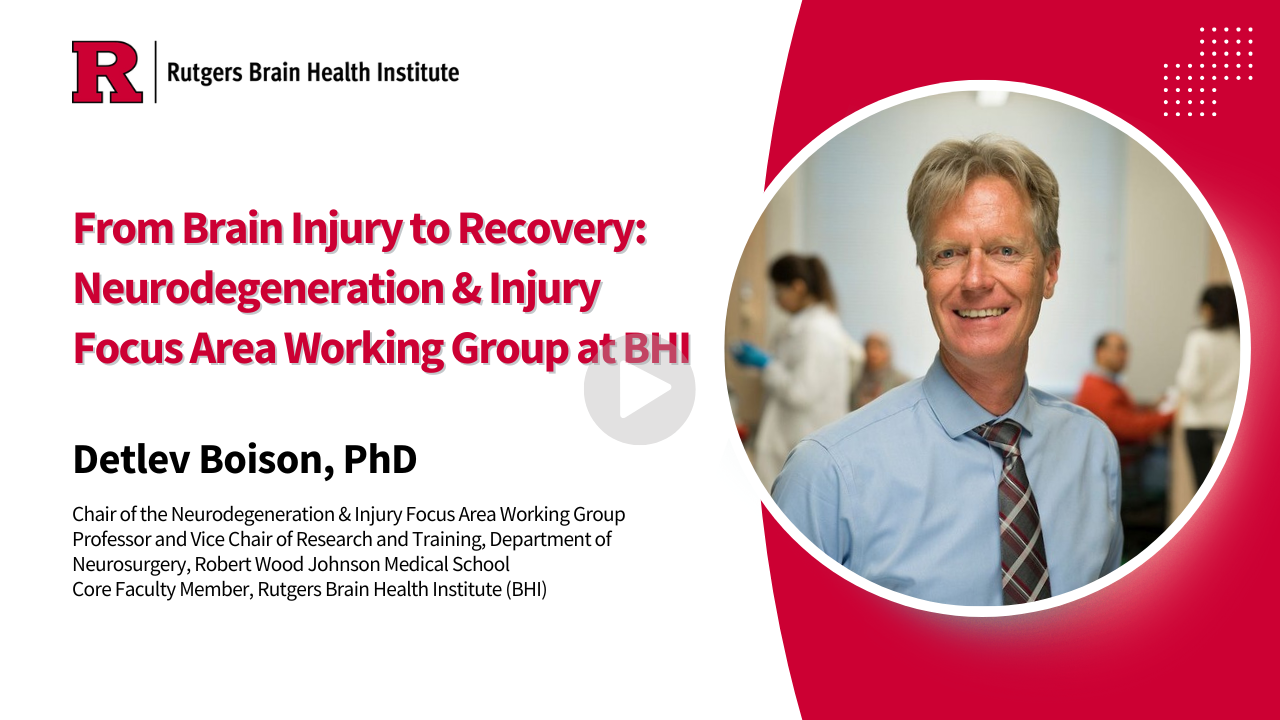
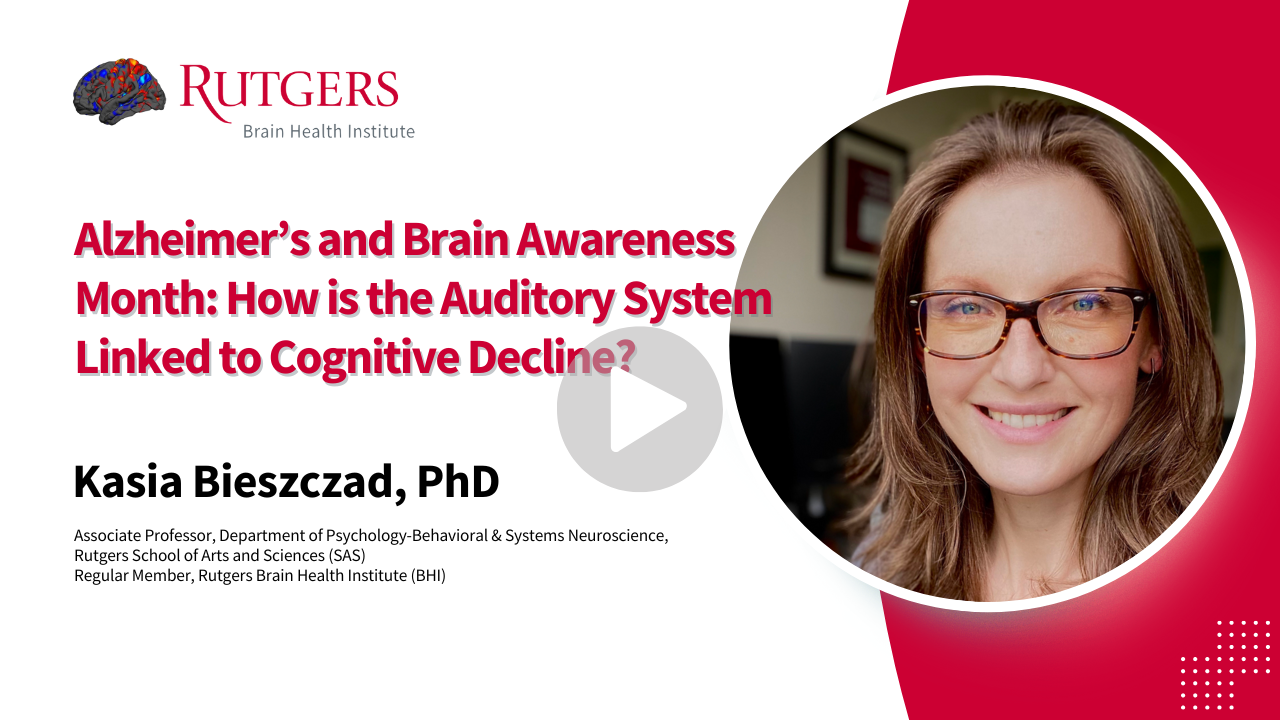
Explore our latest Alzheimer’s videos.

Got questions about Alzheimer’s or brain health?
Read our Frequently Asked Questions above for clear, reassuring answers on symptoms, risk reduction, treatments, caregiving, and more.
Concerned about your own or a loved one’s memory? Talk to your doctor today for personalized guidance.
Discover more resources, research updates, or ways to get involved.
More Brain Health Insights for You
Explore more BHI for You articles for clear, research-informed information on brain health and neuroscience—designed to help you learn, make sense of the science, and take the next step.
