


Autism
Clear answers about autism, grounded in research and clinical expertise.
Autism spectrum disorder (ASD) and autism refer to the same neurodevelopmental condition, with ASD being the current, formal diagnosis and “autism” being the common term.
Embracing Neurodiversity: Understanding Autism and Thriving Together
Autism spectrum disorder (ASD) is a natural variation in how the brain develops and works. Every autistic person is unique, with their own strengths, interests, and ways of experiencing the world. With understanding, acceptance, and the right support, many autistic individuals lead fulfilling, independent lives—contributing creatively, building deep connections, and pursuing passions. Research continues to advance, offering better tools for early support and personalized care.
What is autism?
Autism, or autism spectrum disorder (ASD), is a neurodevelopmental condition that affects social communication, sensory experiences, and patterns of behavior or interests. It’s called a “spectrum” because it looks different for everyone—some people may need substantial support, while others live fully independently and may excel in areas like detail-oriented thinking, creativity, or specialized knowledge.
According to the latest CDC data (from 2022 surveillance), about 1 in 31 children aged 8 in the U.S. is identified with autism, with estimates varying by community due to improved screening and awareness. Many adults are also discovering they too have autism.
- Autism is lifelong and present from early development, but signs often become noticeable by age 2–3.
- Diagnosis typically happens around age 5 on average, though earlier identification allows for timely support.
- The DSM-5-TR describes three levels based on support needs (Level 1: requiring support; Level 2: requiring substantial support; Level 3: requiring very substantial support).
Learn More
Signs and Strengths
Autistic people often experience the world in unique ways, including:
- Differences in social communication and interaction (e.g., preferring direct language or deep one-on-one connections).
- Focused or intense interests that can lead to expertise or innovation.
- Sensory sensitivities (e.g., to sounds, lights, textures) or preferences.
- Repetitive behavior or routines that provide comfort and predictability.
These traits bring strengths too—like strong attention to detail, honesty, loyalty, pattern recognition, or creative problem-solving. Many autistic individuals thrive with accommodations, therapies, and acceptance.
Early Support Makes a Difference
The CDC’s “Learn the Signs. Act Early” program empowers families to track milestones and share any concerns with a doctor. Early identification opens doors to supportive services that build on strengths and help navigate challenges.
Learn more about the program here
Autism, Chromosome 15, and the Power of Timing
In a small subset of cases, autism links to specific genetic changes (e.g., on chromosome 15), where timing of development influences symptoms like seizures. Neuroscientist Dr. Eric S. Levine explores this to inform better supports.

Autism News and Research Updates
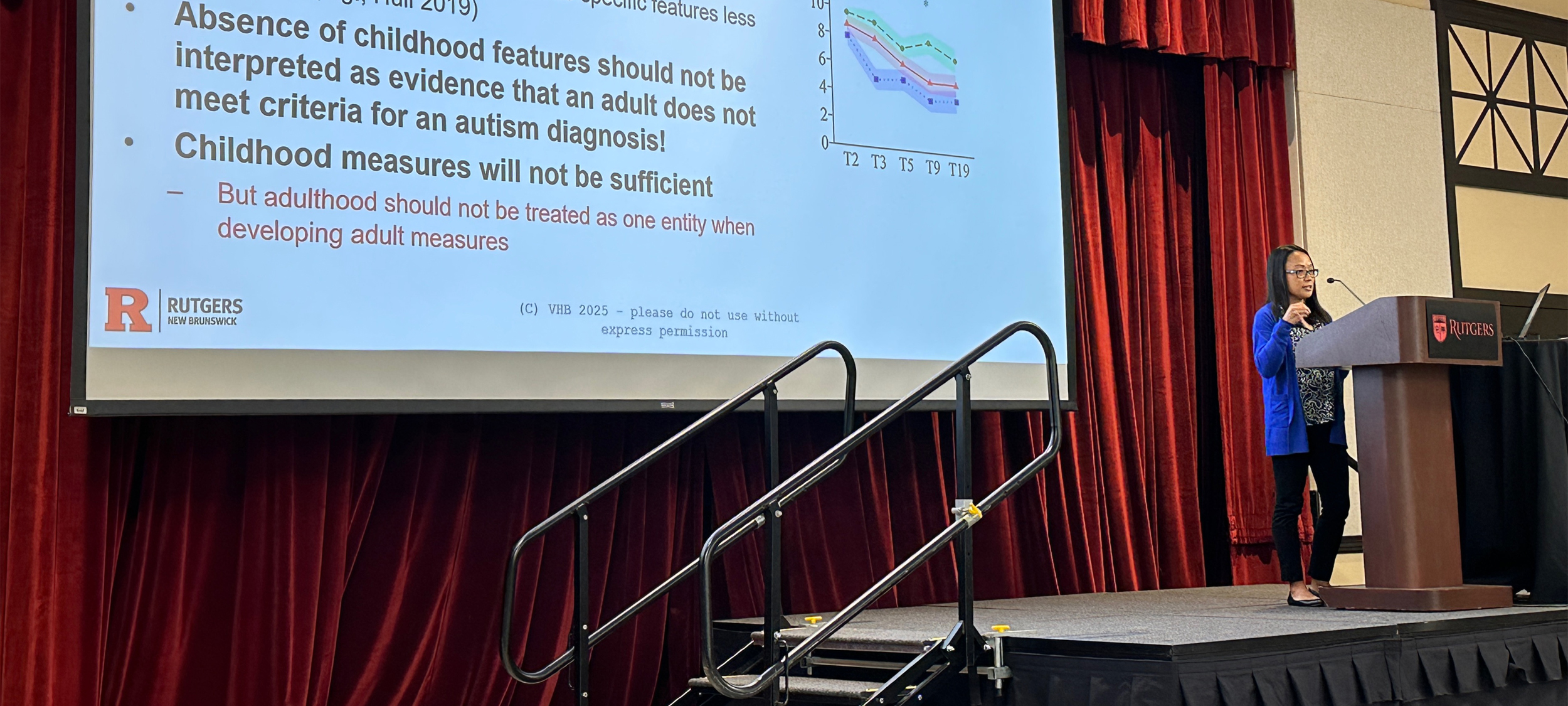


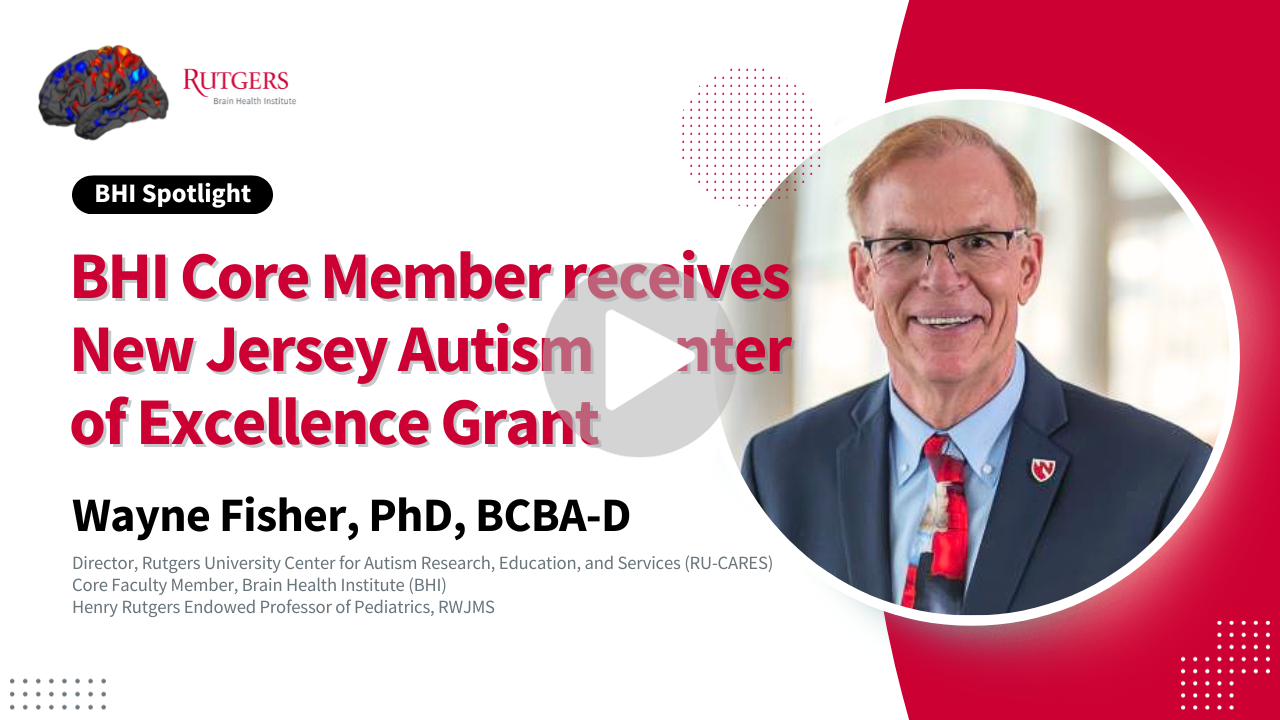
Spotlight on Autism Acceptance Month: Commentary from Dr. Wayne Fisher
In recognition of April’s Autism Acceptance Month, we invited BHI Core member Dr. Wayne Fisher to share his perspective on a recent CNN Health article, “Why autism isn’t diagnosed in girls and women.” The article explores growing concerns around the underdiagnosis and misdiagnosis of autism in females—a topic that has sparked increased attention among clinicians and researchers. Dr. Fisher offers an insightful commentary on the scientific findings and implications for both clinical care and future research.

Frequently Asked Questions
-
Autism is a natural way some brains are wired, leading to unique strengths and differences in social communication, sensory experiences, and interests. It’s a spectrum—every person is different, with their own talents and support needs. Many autistic people thrive with understanding and the right accommodations.
-
Yes! Many autistic individuals have exceptional abilities in areas like memory, pattern recognition, creativity, honesty, loyalty, or a deep focus on passions. These strengths often lead to expertise in fields like technology, art, science, or advocacy. With support, people can build on these while navigating differences.
-
No—extensive research from the CDC and others worldwide shows no link between vaccines and autism. Vaccines are safe and help prevent serious illnesses. Concerns are understandable, but studies consistently confirm no connection.
-
Diagnosis rates have increased due to better awareness, improved screening, broader criteria, and greater access to evaluations—not because autism is more common. This means more people get the support they need earlier.
-
Yes—many adults discover they too have autism. Diagnosis can bring clarity, self-understanding, and access to helpful supports like therapy, accommodations, or community.
-
It’s a positive step to talk to a pediatrician, doctor, or specialist. Early conversations lead to helpful insights and supports tailored to strengths. Many differences are part of neurodiversity, and early resources (like CDC milestone tracking) empower families.
-
Support varies by individual and can include speech/occupational therapy, behavioral approaches, social skills groups, sensory accommodations, educational plans (e.g., IEPs), workplace adjustments, or community programs. The focus of such supports is on building independence, communication, and quality of life—many thrive with these.
-
Absolutely—there’s tremendous reason for optimism! Research is moving forward quickly, deepening our understanding of autism as a neurodiverse spectrum, and unlocking better ways to support people at every age.
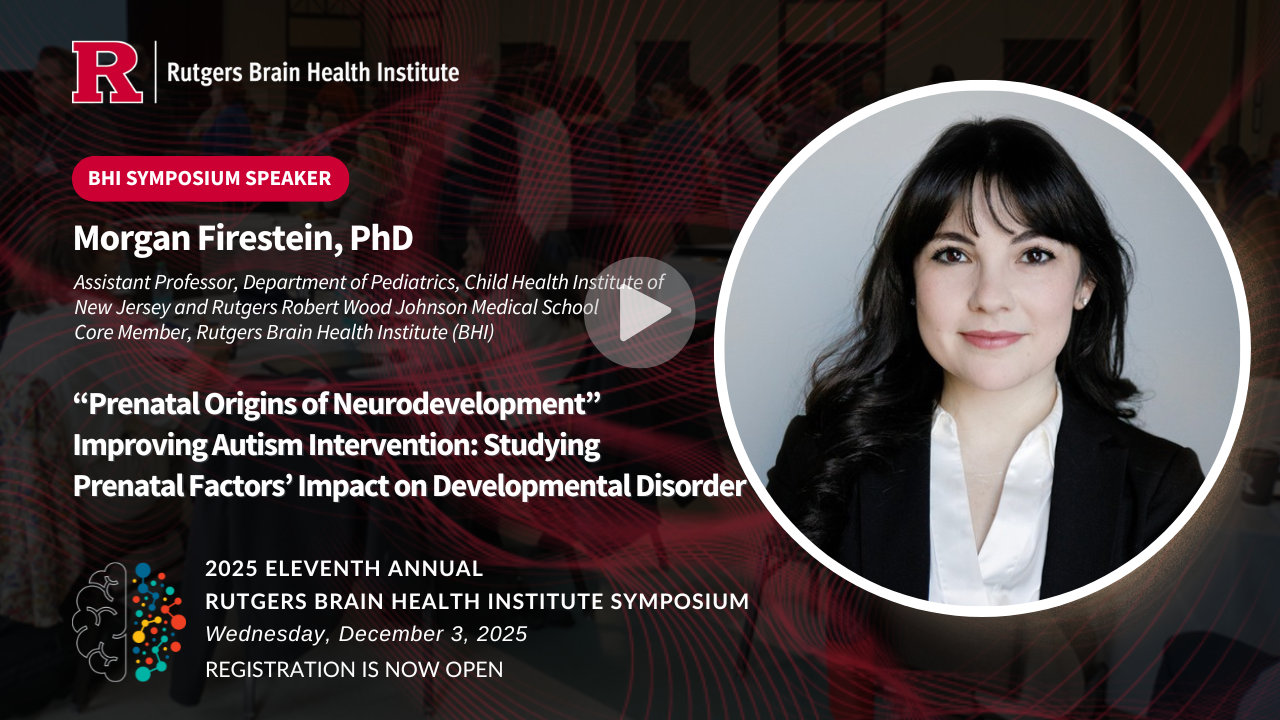
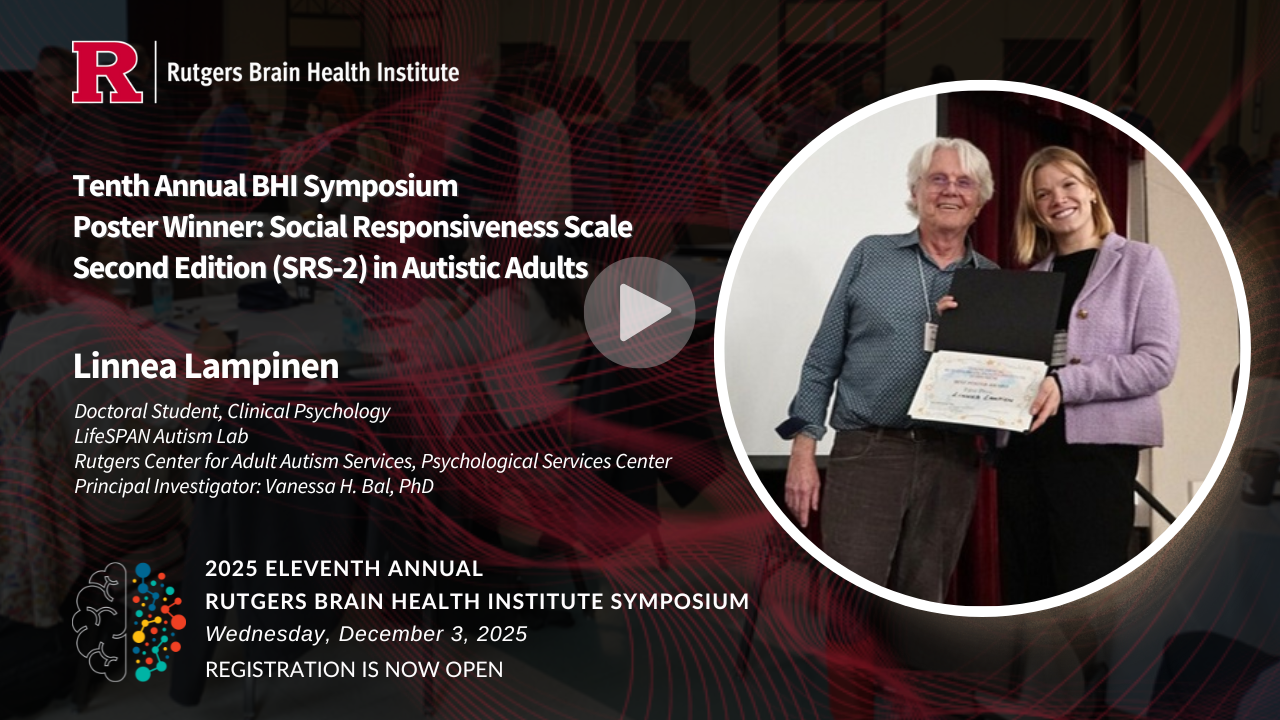
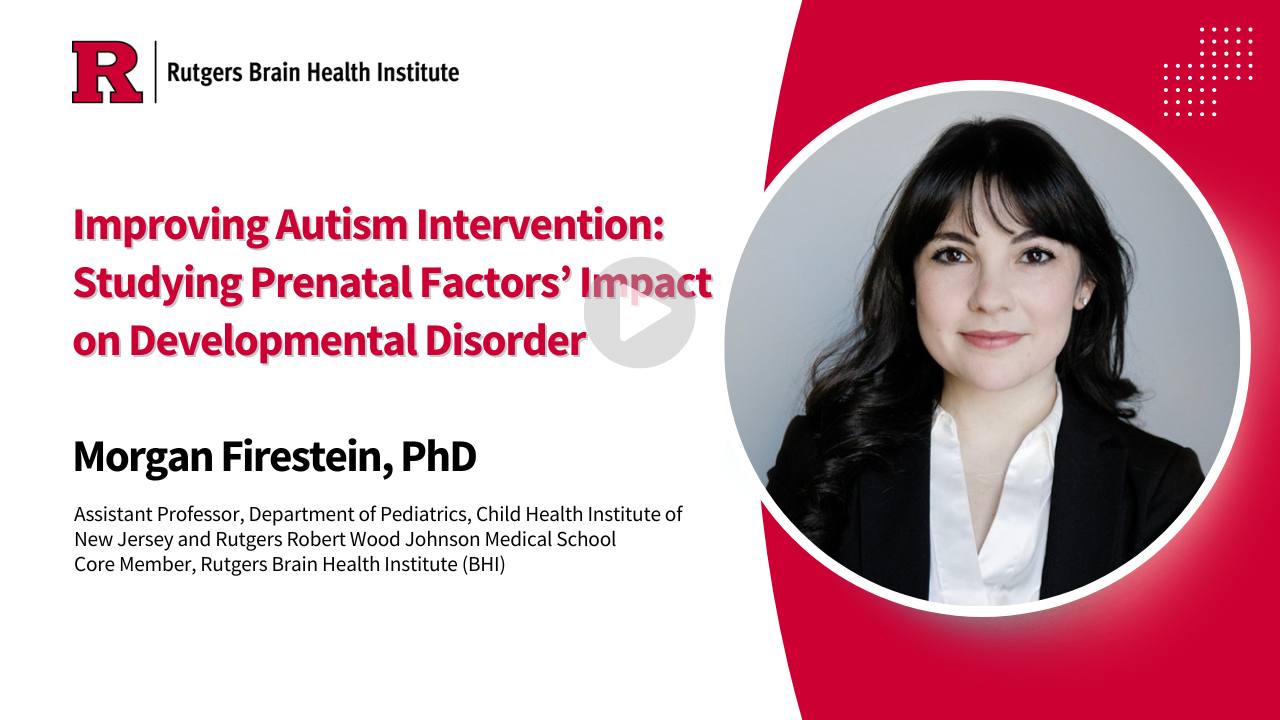
Watch Our Videos On Autism
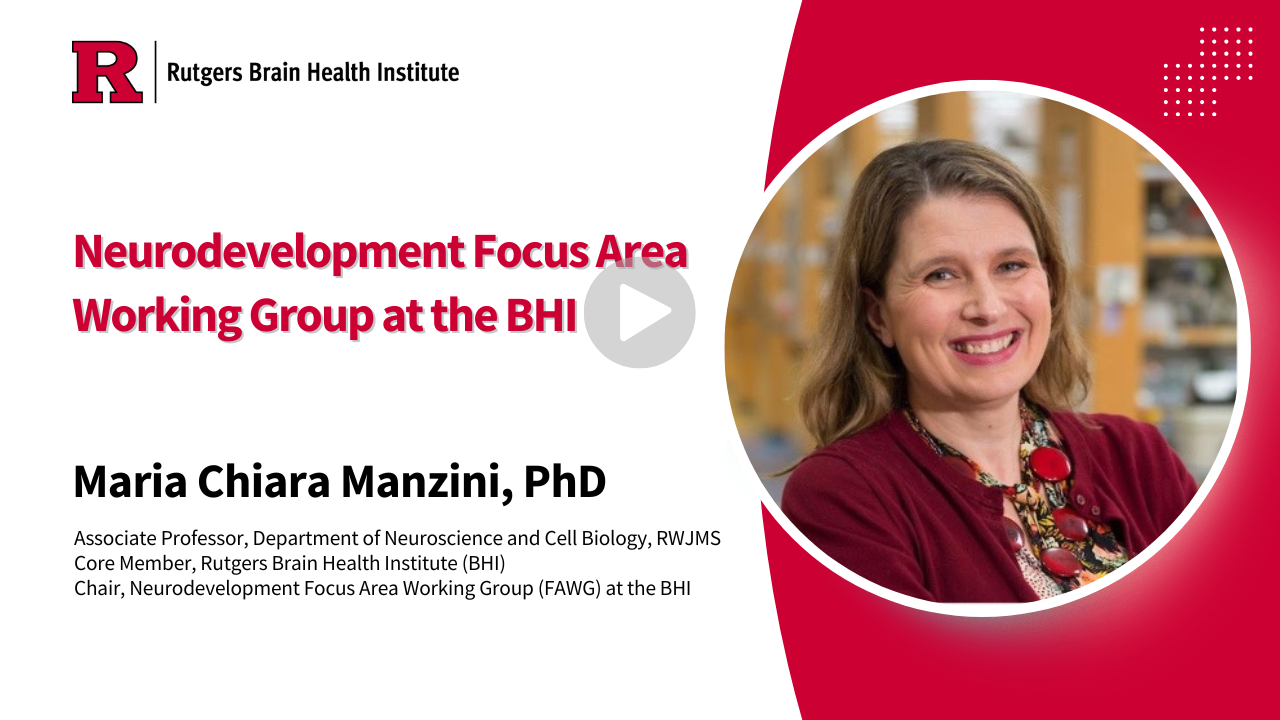
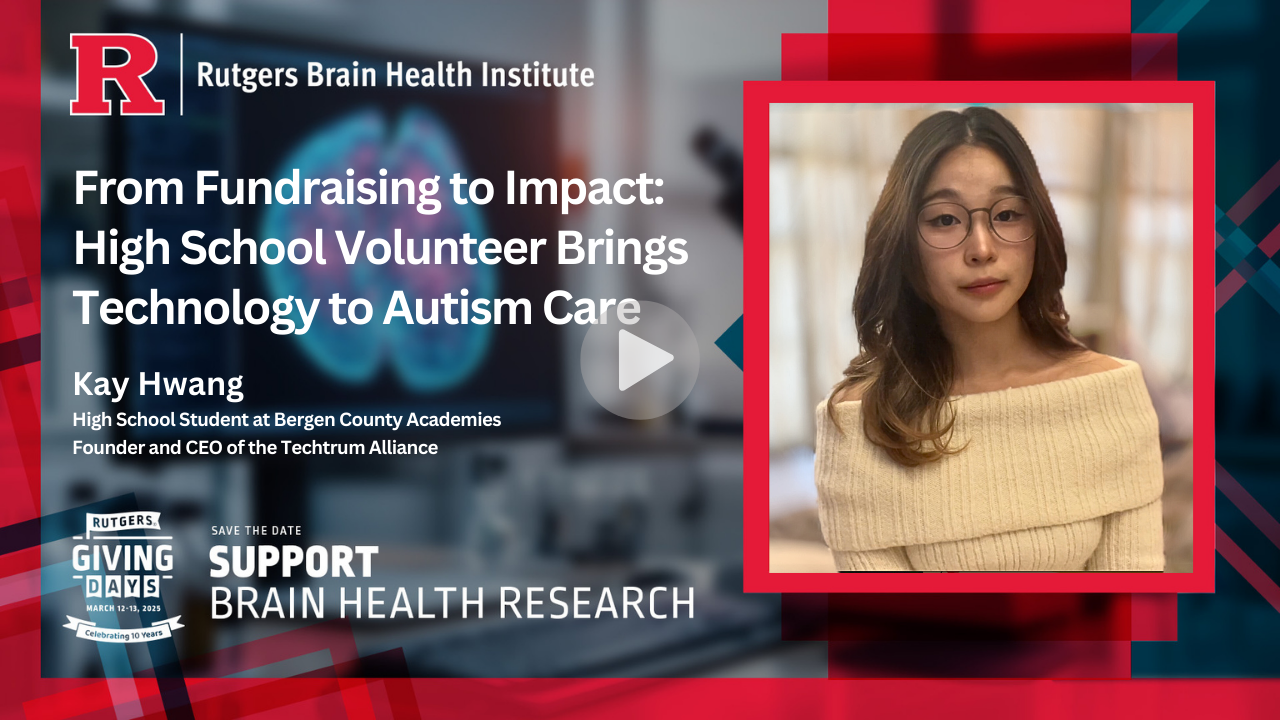
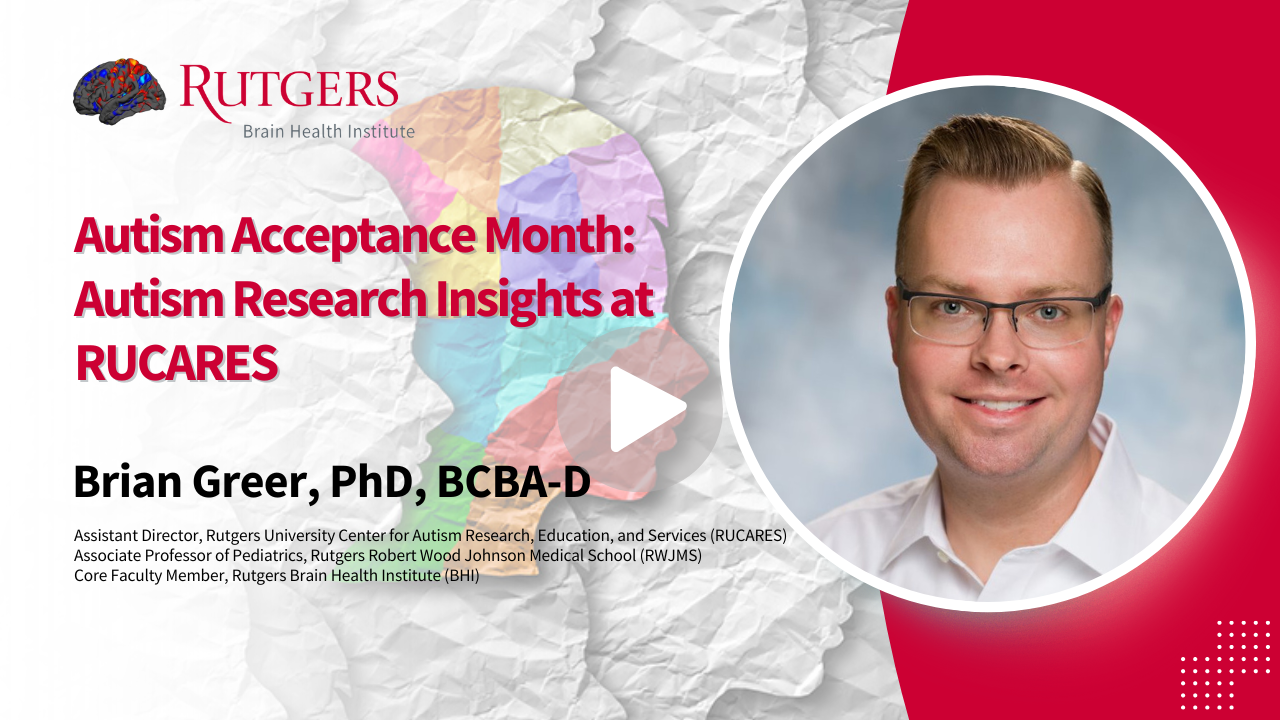
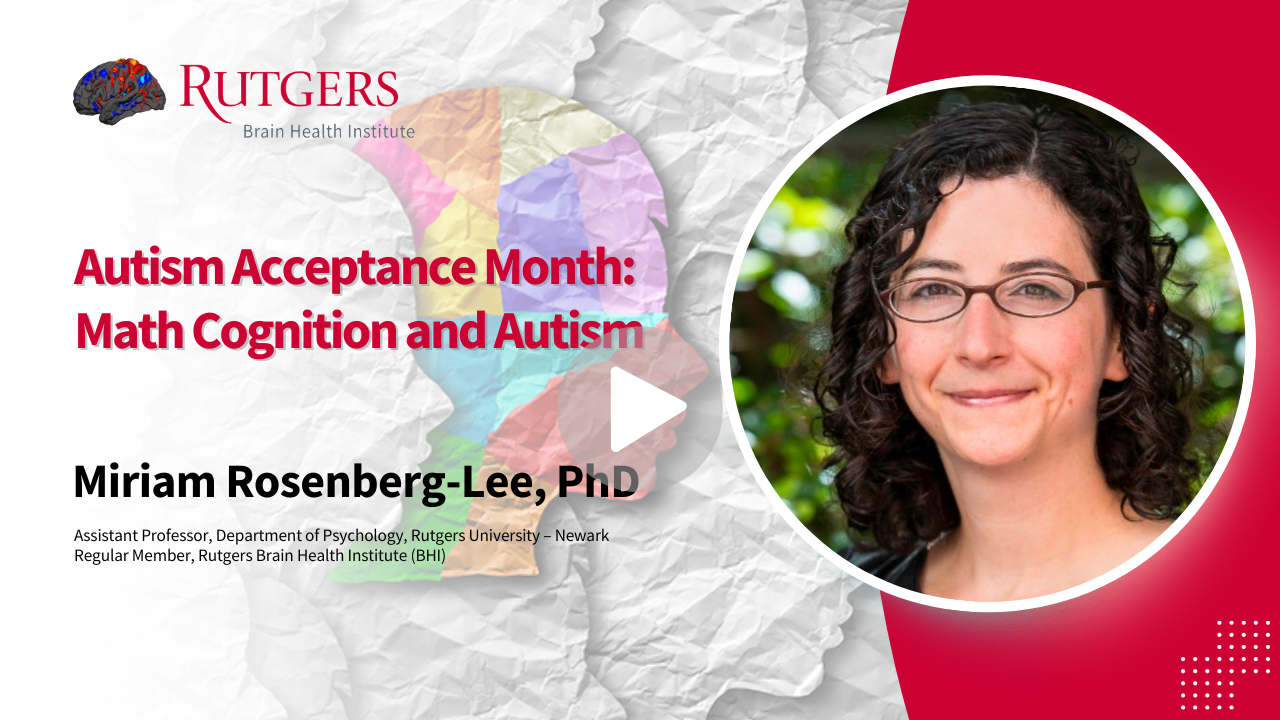
More Brain Health Insights for You
Explore more BHI for You articles for clear, research-informed information on brain health and neuroscience—designed to help you learn, make sense of the science, and take the next step.
