

Rutgers Researcher Dr. Sharon Sanz Simon Launches MUST Study to Help Older Adults Master Multitasking
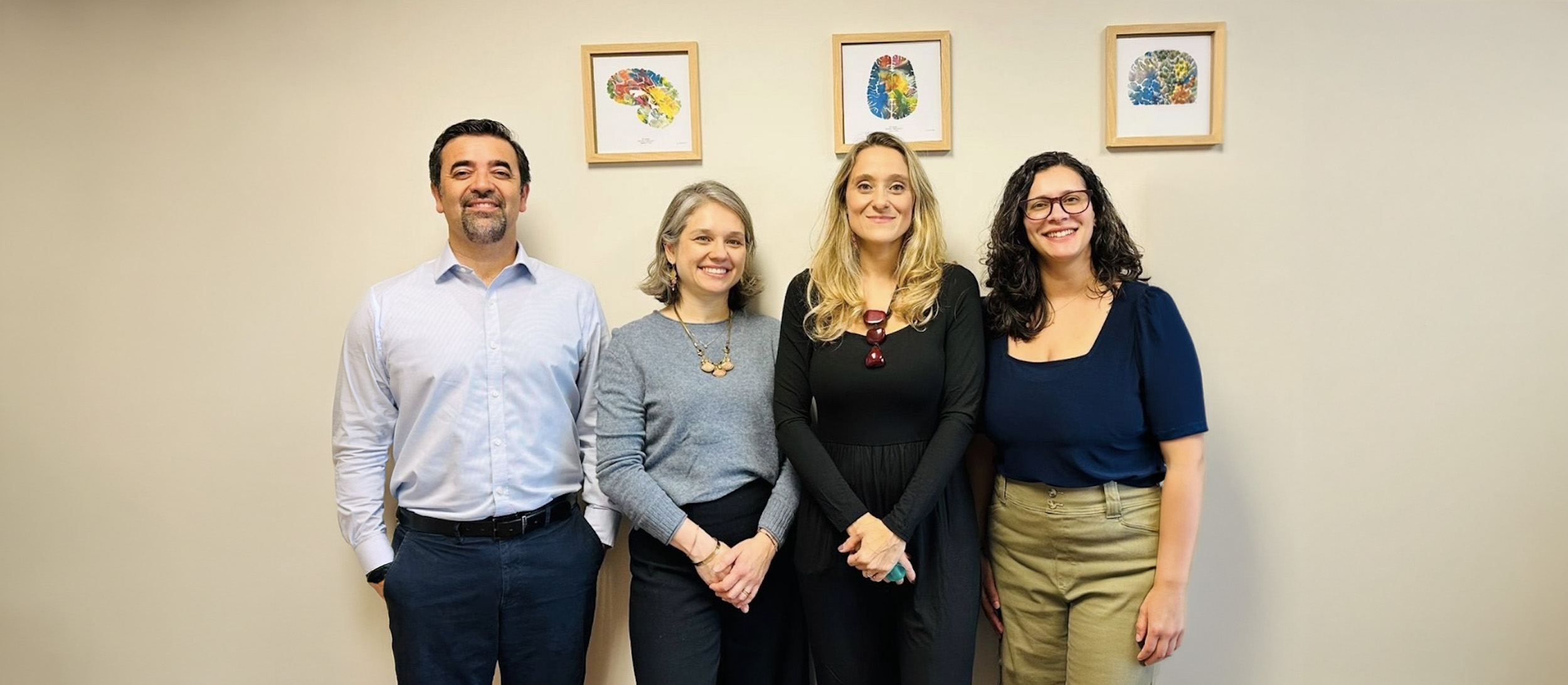
As modern life grows increasingly complex, the ability to manage multiple tasks simultaneously has become essential for maintaining independence and quality of life.
Dr. Sharon Sanz Simon, PhD, Assistant Professor of Psychiatry at Rutgers New Jersey Medical School (NJMS) and core faculty member of the Krieger Klein Alzheimer’s Research Center within the Rutgers Brain Health Institute, has launched the MUST Study (MUltitasking STrategy Training Study).
This National Institute on Aging-funded randomized controlled trial investigates whether a specially designed online cognitive training program can strengthen attention control and multitasking abilities in older adults — critical skills that naturally decline with age.
The Scientific Mission
“While we are often told to avoid multitasking, modern life frequently demands it,” said Dr. Sanz Simon. “Whether preparing a complex meal while managing a conversation or navigating a busy street while following directions, the ability to multitask effectively supports independence in daily life.”
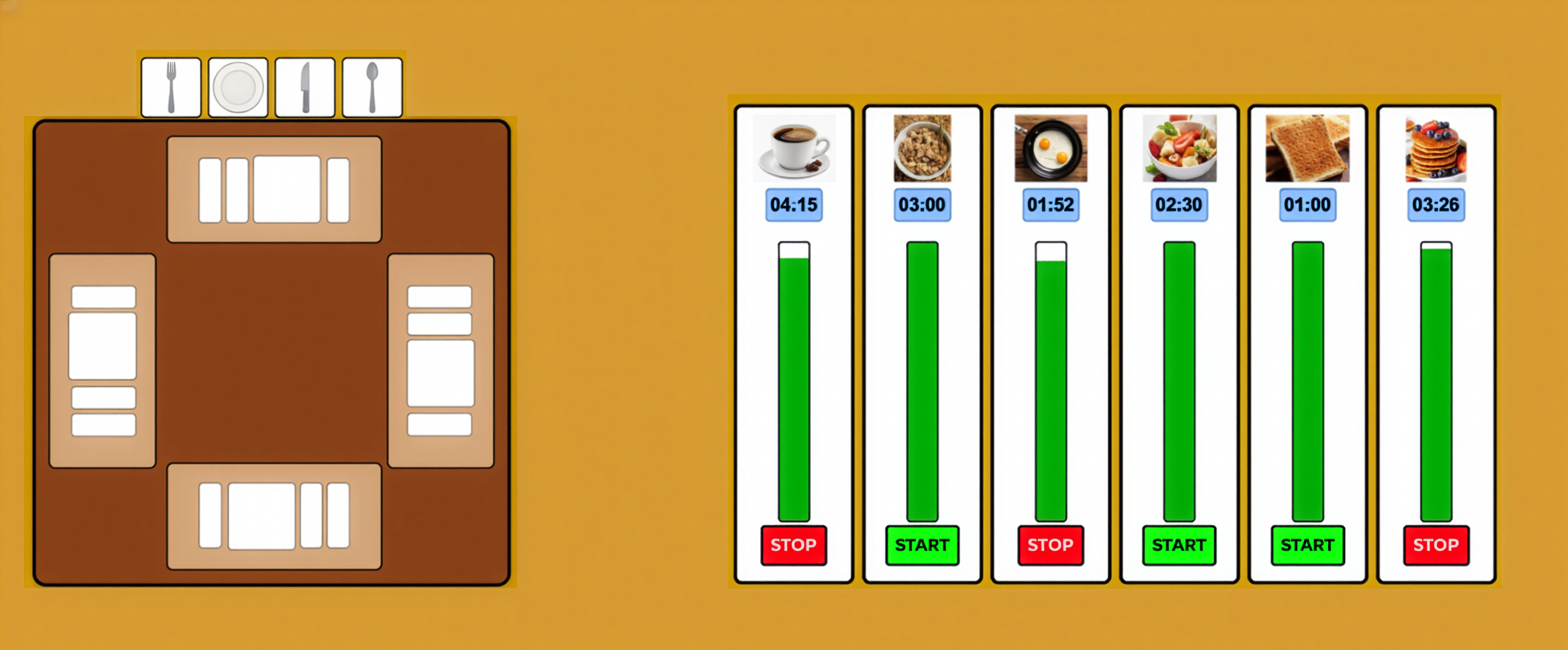
The MUST Study uses engaging, custom-designed online game that simulate real-life situations. A central feature is the Breakfast Game in which participants must set tables for guests according to specific rules while simultaneously cooking different food items under timed demands. This practical, gamified approach provides a powerful tool to sharpen executive function and improve quality of life.
Breakfast Game
Study Design
The MUST Study is a randomized controlled trial spanning approximately five to six months. Participants receive financial compensation for their time and contribution to science.
The program includes:
- Comprehensive Assessments: Two in-person cognitive evaluations (at the start and end of the program) and a three-month follow-up.
- Health Screening: A blood exam to investigate cardiovascular/Alzheimer’s risk factors related to brain health.
- Interactive Training: One online brain health education session followed by ten remote training sessions (conducted roughly three times per week).
- Group Allocation: Participants are randomly assigned to one of two active intervention groups or a control group (no-intervention)
The study builds upon a successful pilot trial conducted by Dr. Sanz Simon’s team. The pilot results, which demonstrated benefits of this training approach using the game they developed, are expected to be published soon. The current study incorporates new biological metrics to better understand the interaction between cardiovascular risk factors, Alzheimer’s blood biomarkers, and cognitive outcomes.
Expected Impact
“We aim to move beyond the debate of whether multitasking is ‘good’ or ‘bad’ and instead provide evidence-based tools for when it is necessary,” said Dr. Sanz Simon. “By the conclusion of this study, we hope to offer healthcare providers and the public an innovative digital training program that integrates neuroscience with practical brain health education to foster long-term cognitive resilience.”
Who Can Participate?
The study is recruiting cognitively healthy older adults, typically ages 60–75. Recruitment will continue through mid-2027. Full eligibility criteria and enrollment information are available on ClinicalTrials.gov (NCT06995638): https://clinicaltrials.gov/study/NCT06995638
About the Research
The MUST Study is conducted through the EngAGING Lab at Rutgers New Jersey Medical School as part of the Krieger Klein Alzheimer’s Research Center and the Rutgers Brain Health Institute. This study is funded by National Institute of Aging (NIA – NIH R00AG078561-03)
For more information or to express interest in participating, contact the EngAGING Lab at engaging.lab@rutgers.edu or visit: https://sites.rutgers.edu/engaginglab/research/

