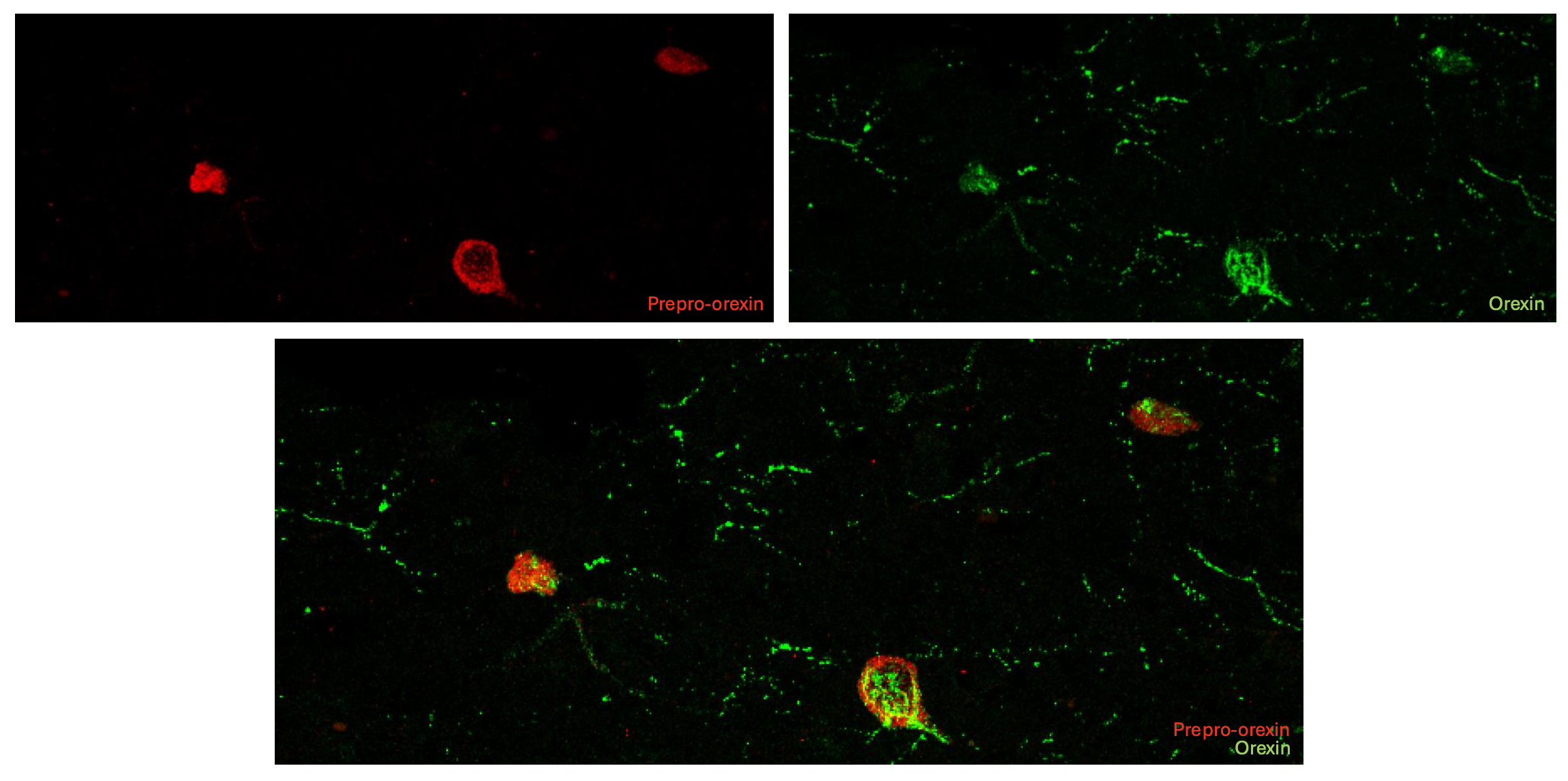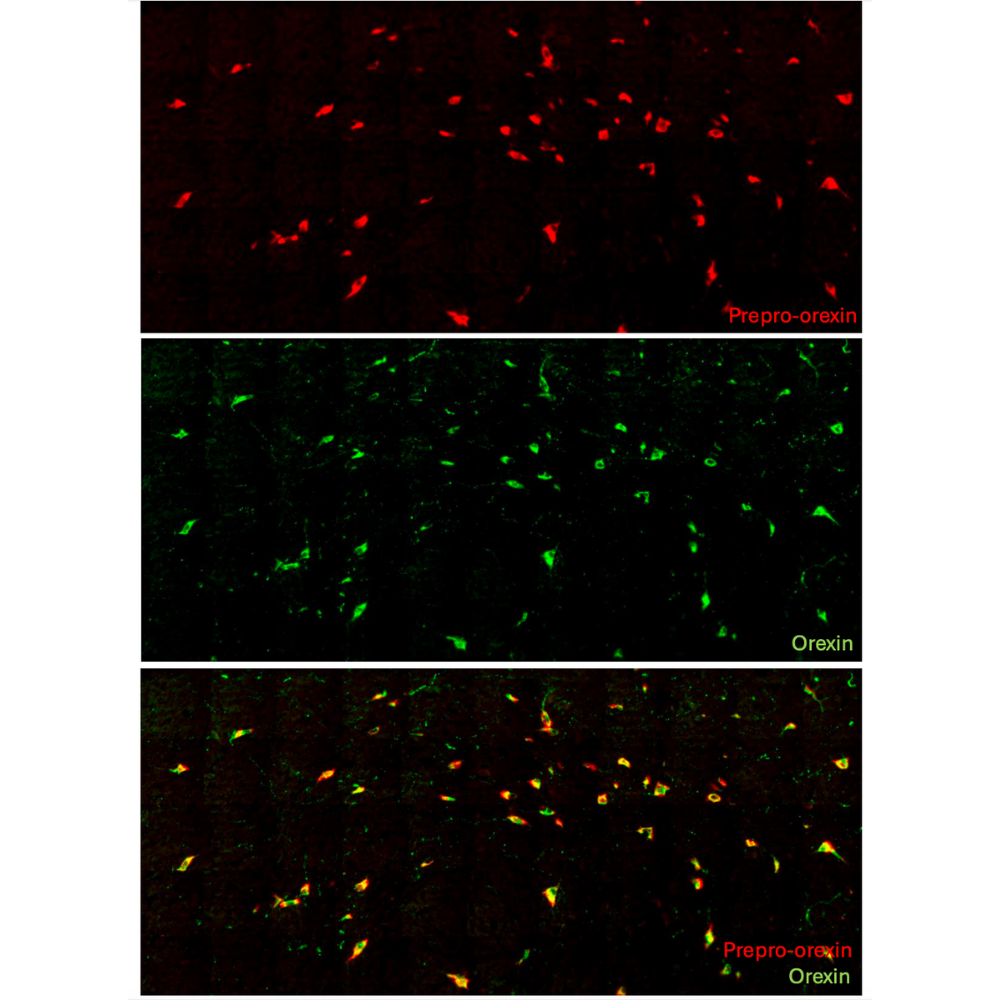





Together, by combining behavioral models, pharmacological interventions, chemogenetic tools, genetic analyses, and immunohistochemistry, our work aims to provide a comprehensive understanding of the neural and genetic mechanisms driving individual differences in reward-seeking behaviors, stress reactivity, negative affect, and addiction vulnerability.

Postdoctoral Fellow
I obtained my Ph.D. in Neurosciences from Université Lyon 1 in France and joined Dr. Aston-Jones’s lab in 2020 as a postdoctoral fellow. My research explores the photic regulation of brain systems involved in neuropsychiatric and neurodegenerative disorders. I am currently investigating how specific retinal pathways regulate the locus coeruleus and whether this photic input can be used as a minimally invasive therapeutic strategy in a rat model of Alzheimer’s disease. To do this, I am combining behavioral tasks, chemogenetic approaches, and immunohistochemistry.

Postdoctoral Associate
I am currently a Postdoctoral Associate in the Aston-Jones Lab at Rutgers University, where I study how hypothalamic orexin neurons contribute to reward, motivation, and the affective consequences of pain, with a focus on their role in addiction vulnerability. Previously, I received my Bachelor of Arts (Honours) in Psychology (2016) from the University of Calgary and my M.Sc. in Experimental Psychology (2018). My undergraduate honors research and M.Sc. focused on the role of early life adversity in the expression of addiction-related behavioral traits and subsequent vulnerability to addiction. I completed my doctoral work in the lab of Dr. Jeff Mogil at McGill University, where I examined the distinct neuroanatomy underlying the motivational and affective components of pain, in contrast to its sensory-discriminative aspects. Outside of the lab, I enjoy spending time with my family and my dog, traveling, playing tabletop RPGs, and birdwatching.

Lab Manager
I completed my PhD in Molecular and Cell Biology at the Université de Strasbourg in France. I joined the Aston-Jones lab in January 2022 as the lab manager. Outside of the lab, I enjoy hiking, cooking, cross-stitching, and spending time with my cats.
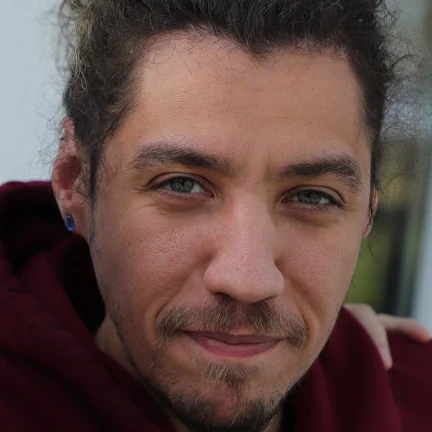
Postdoctoral Fellow
My research investigates the contribution of the orexin/hypocretin system to reward processing, behavioral flexibility, and vulnerability to addiction. I seek to identify the neuroadaptations triggered by excessive intake of highly salient rewards, whether caloric or non-caloric, and to determine how these changes promote susceptibility to substance use disorders. In parallel, I explore the genetic determinants of addiction vulnerability by examining associations between orexin-related genes and drug use phenotypes. More recently, my work has expanded to examine how the orexin/hypocretin system regulates latent cause inference, a fundamental cognitive process through which individuals integrate new information and adapt their behavior in response to change. By combining behavioral models, pharmacological approaches, and genetic analyses, my research aims to provide novel insights into the orexin/hypocretin system as a key modulator of individual differences in reward-seeking behaviors and addiction risk.

PhD Candidate
I am a Ph.D. candidate in the Graduate Program in Neuroscience. My research in the Aston-Jones lab focuses on the role of the orexin system in negative affect and increased motivation observed following opioid dependence. I am also investigating the potential utility of orexin receptor antagonists as an adjunct to opioid treatment for chronic pain, in order to prevent the development of dependence.
Dr. Gary Aston-Jones
Email: gsa35@bhi.rutgers.edu