

Stay Sharp After Menopause: A Practical Toolkit for Boosting Your Brain’s Executive Functions with Aerobic Exercise

A practical guide based on research from Rutgers and collaborating institutions.
The Big Takeaway
Regular aerobic exercise (the kind that gets your heart pumping) can improve important thinking skills called executive functions — and the benefits appear especially strong for women after menopause.
Executive functions help you plan, switch between tasks, stay focused, and maintain independence. These skills often feel harder during and after the menopause transition. The good news: a structured aerobic exercise program may help protect and even improve them.
Why This Matters for Women’s Brain Health
- Two-thirds of Alzheimer’s cases are seen in women.
- The years around menopause are a critical window for brain and heart health.
- Physical inactivity is one of the top modifiable risk factors for dementia.
- Many women reduce physical activity during and after menopause due to symptoms, stress, or lack of clear guidance.
This toolkit turns recent research findings by Sanz Simon S et al into clear, usable steps you can take.
What the Research Found
Scientists studied 93 healthy women between the ages of 20 and 67. Forty-three percent were post-menopausal.
All participants began the study with below-average cardiorespiratory fitness levels and were not regularly exercising — making the results directly relevant to typical midlife and older women, not only those who are already active.
Participants were randomly assigned to one of two programs for six months:
- Aerobic exercise
- Stretching and toning
Main Findings:
- Post-menopausal women who did aerobic exercise showed greater improvement in executive functions (measured using standardized tasks evaluating task-switching speed and error management) than women in the stretching-and-toning group and more than pre-menopausal women doing the same aerobic program.
- Benefits were already visible at three months and continued at six months.
- Most women were able to stick with the program: about 8 in 10 completed at least three months, and about 7 in 10 completed the full six months.
- The improvement was specific to executive functions. Other thinking skills (such as memory or processing speed) did not show the same gains in this study.
Prior analyses from this trial and the present findings indicate the benefits are linked to improved cardiorespiratory fitness.
Note: This was a secondary analysis of a larger randomized controlled trial (ClinicalTrials.gov: NCT01179958). The results point to a practical, accessible strategy for supporting women’s brain health.
Goal:
Aim for 3-4 sessions per week (about 1 hour each) for at least 3–6 months.
How to Structure Each 1-Hour Session
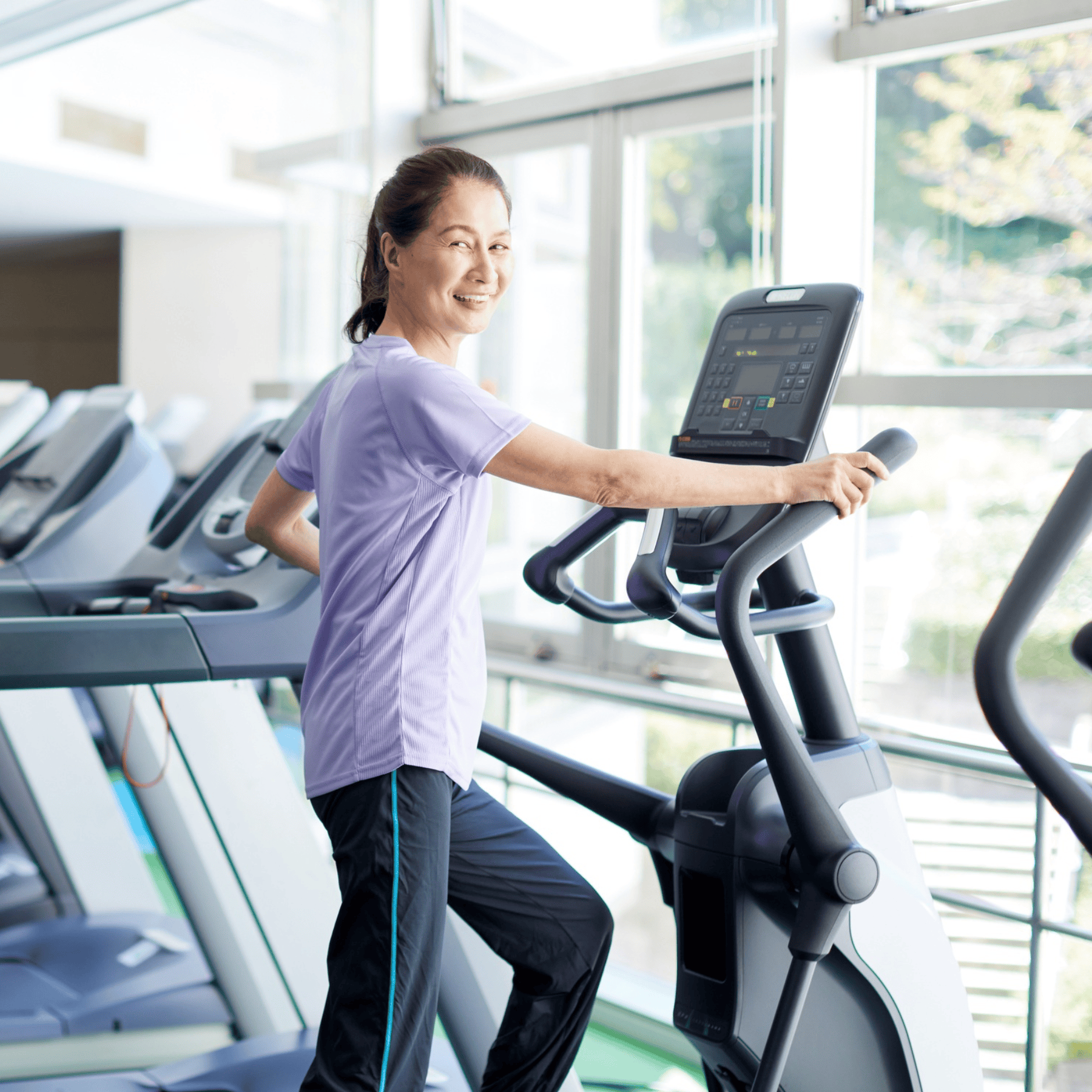
- Choose an aerobic exercise (brisk walking, jogging/running, cycling or using an elliptical) you are more likely to enjoy.
- 10–15 minutes warm-up and gentle stretching to prepare muscles and minimize injury risk.
- 45 minutes of continuous aerobic activity
Intensity Guide (Heart-Rate Zones)
Start easier and build up:
- Weeks 1–2: 55–65% of your maximum heart rate
- Weeks 3–4: 65–75% of your maximum heart rate
- Weeks 5 onward: Aim for about 75% of your maximum heart rate
Simple way to estimate maximum heart rate:
220 minus your age. Example: Age 55 → estimated max HR ~ 165. Target zone at 75% ~ 124 beats per minute.
A simpler guide is the “talk test”: You should be able to speak in short sentences but not sing easily.

Choose Activities You Enjoy
- Brisk walking
- Light jogging/running
- Stationary or outdoor cycling
- Elliptical trainer
- Swimming or water aerobics
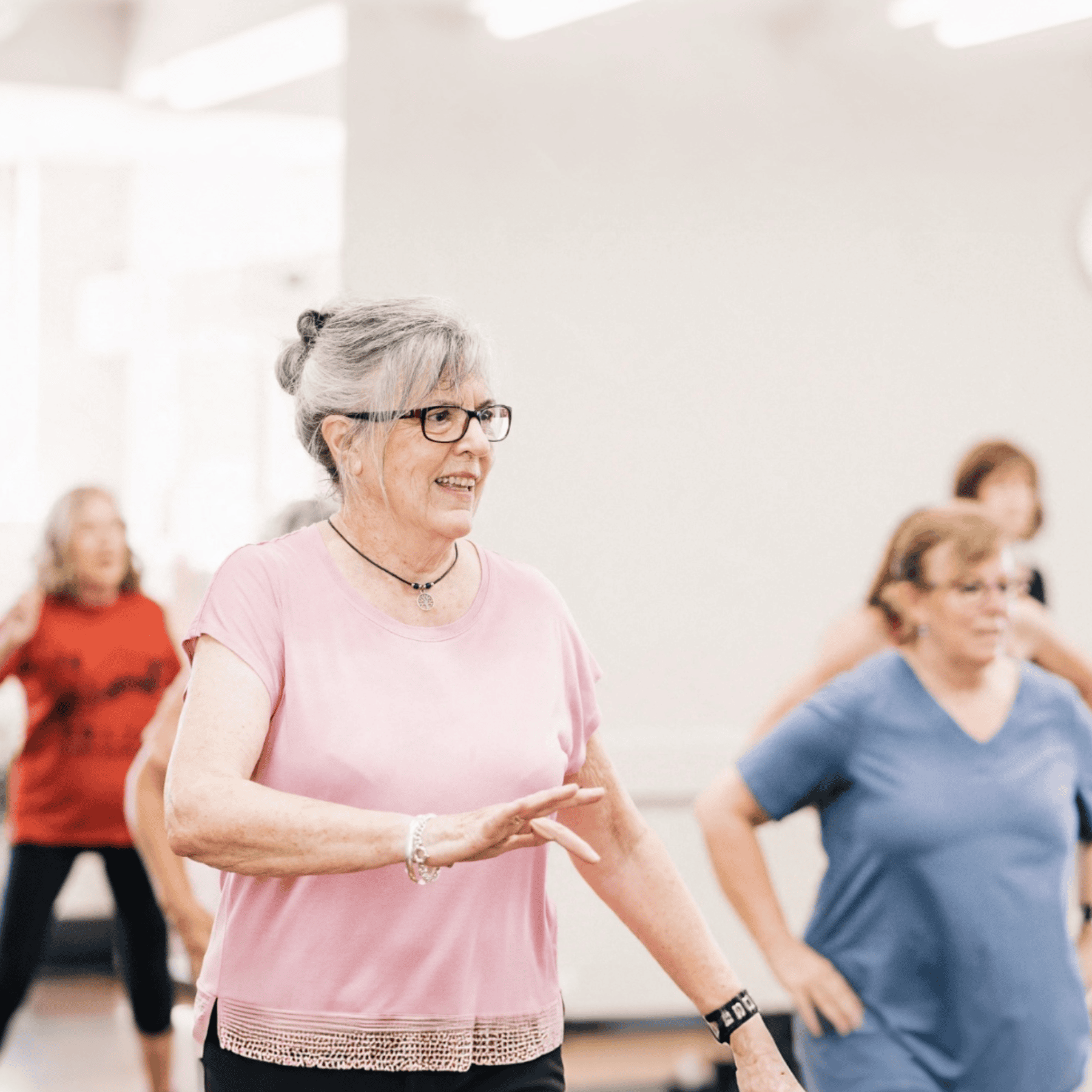
- Dance-based cardio
Consistency matters more than the exact activity.
Tips to Help You Stick with It
- Start Gradually: Use the first two weeks as a comfortable run-in period to build momentum.
- Warm up and Stretch: Always include warm-up movements and light stretching before starting aerobic exercises to protect your joints and prevent injury.
- Schedule It: Treat sessions like mandatory appointments.
- Track Effort: Use a heart-rate monitor or smartwatch if available.
- Build Accountability: The study provided weekly check-ins for encouragement. Pair up with a walking partner, coach, or friend to keep each other on track.
- Pair with Enjoyment: Listen to music, podcasts or audiobooks to make the sessions more engaging.
- Be intentional in choosing the exercise you enjoy. Be patient — finding enjoyment in exercise is a learning process.
- Keep a Log: Recording completed sessions helps keep motivation high.
- Manage Symptoms: If hot flashes, joint discomfort, or low energy interfere, talk with your doctor or a physical therapist about adjustments.
What Benefits You Might Notice?
Many women report:
- Easier time switching between tasks
- Better ability to plan and organize
- Improved focus and mental flexibility
- Feeling sharper in daily activities
Fitness improvements (easier breathing during activity, better stamina) and possible mood, emotional, or sleep benefits can also appear, though the main research finding focused on executive functions.
Important Safety Notes
This is general information based on research, not personalized medical advice.
- Check with your healthcare provider before starting a new exercise program, especially if you have heart conditions, joint problems, or other health concerns.
- The women in the study were screened to be free of major cardiovascular disease and were not on hormone replacement therapy at the start.
- Listen to your body. Stop and seek care if you experience chest pain, severe shortness of breath, dizziness, or unusual symptoms.
Quick Start Checklist
- Discuss starting aerobic exercise with your doctor
- Select 1 or 2 cardio activities you enjoy
- Decide how you will track your heart rate or effort level
- Schedule your 4 “Run-In” sessions for Week 1
- Line up an accountability partner or tracking log
- Begin gradually and re-evaluate your progress at 3 months
About the Research
This toolkit is based on a secondary analysis of a randomized controlled trial published in the Journal of Alzheimer’s Disease (Sanz Simon et al., 2026). This study was conducted by researchers from the Department of Psychiatry, New Jersey Medical School, Rutgers University; Krieger Klein Alzheimer’s Research Center, Brain Health Institute, Rutgers University; Albert Einstein College of Medicine, Institute for Aging Research; Columbia University (Departments of Psychiatry, Biostatistics, Endocrinology, Obstetrics, Gynecology and Reproductive Sciences, Division of Behavioral Medicine, and Cognitive Neuroscience Division); and the Nathan S. Kline Institute for Psychiatric Research. The corresponding author is Dr. Sharon Sanz Simon, Department of Psychiatry, New Jersey Medical School, Rutgers University (email: sharon.sanzsimon@rutgers.edu).

The original trial is registered at ClinicalTrials.gov (NCT01179958).
Full citation: Sanz Simon S, Gai M, Lee S, et al. Can menopausal status moderate the effects of aerobic exercise on executive functions? Evidence from a randomized controlled trial. Journal of Alzheimer’s Disease. 2026.
Looking for More Support?
- Speak with your primary care provider or a women’s health specialist.
- Consider working with a certified fitness professional experienced with midlife and older adults.
- Explore community options such as YMCA or senior fitness programs that offer structured classes.
Rutgers Women’s Brain Health Initiative Supporting women’s brain health across the lifespan through research, education, and practical tools.
Support the Rutgers Women’s Brain Health Initiative
The Rutgers Women’s Brain Health Initiative (RWBHI) is dedicated to addressing the knowledge gap in women’s brain health by showcasing research on brain health problems that prominently affect women. We aim to deliver clear, trustworthy, and research-vetted actionable information that will directly benefit women and their families.
