

BHI Toolkits
A promotional image isn't necessary when using the hero -
with
headline on image. The image used in the hero will be
automatically
pulled into components where this article is pulled into.
Discover Rutgers Brain Health Institute Toolkits, offering evidence-based resources to support brain health, emotional resilience, and mental wellness for everyday life and challenging times. Developed by the BHI, these practical guides address seasonal mood shifts, post-holiday adjustment, mental health challenges, and more using insights from cutting-edge neuroscience.

A practical guide based on research from Rutgers and collaborating institutions. Regular aerobic exercise can improve important thinking skills called executive functions, and the benefits appear especially strong for women after menopause. Executive functions help you plan, switch between tasks, stay focused, and maintain independence.

Building on two decades of research into the stress-sensitive hippocampus (a key brain region involved in learning and memory), Distinguished Professor Dr. Tracey Shors developed MAP Train My Brain™ — a free, evidence-based program that combines 30 minutes of silent meditation (mental training) with 30 minutes of aerobic exercise (physical training).
The holidays bring joy, connection, and yes – a bit of indulgence. But as the decorations come down and routines resume, many of us feel the “post-holiday blues”: fatigue, low motivation, irritability, or just a general letdown. You’re not alone – this is common, short-lived, and tied to disrupted sleep, less sunlight, and fluctuations in key brain chemicals like dopamine and serotonin.

Welcome to a practical guide that helps you enjoy the holiday season more fully – with greater energy, sharper memories, and mornings that leave your brain feeling refreshed rather than depleted. Whether you’re simply hoping to remember the party, or you’re a researcher/clinician who knows exactly how alcohol affects the prefrontal cortex – this toolkit has you covered.
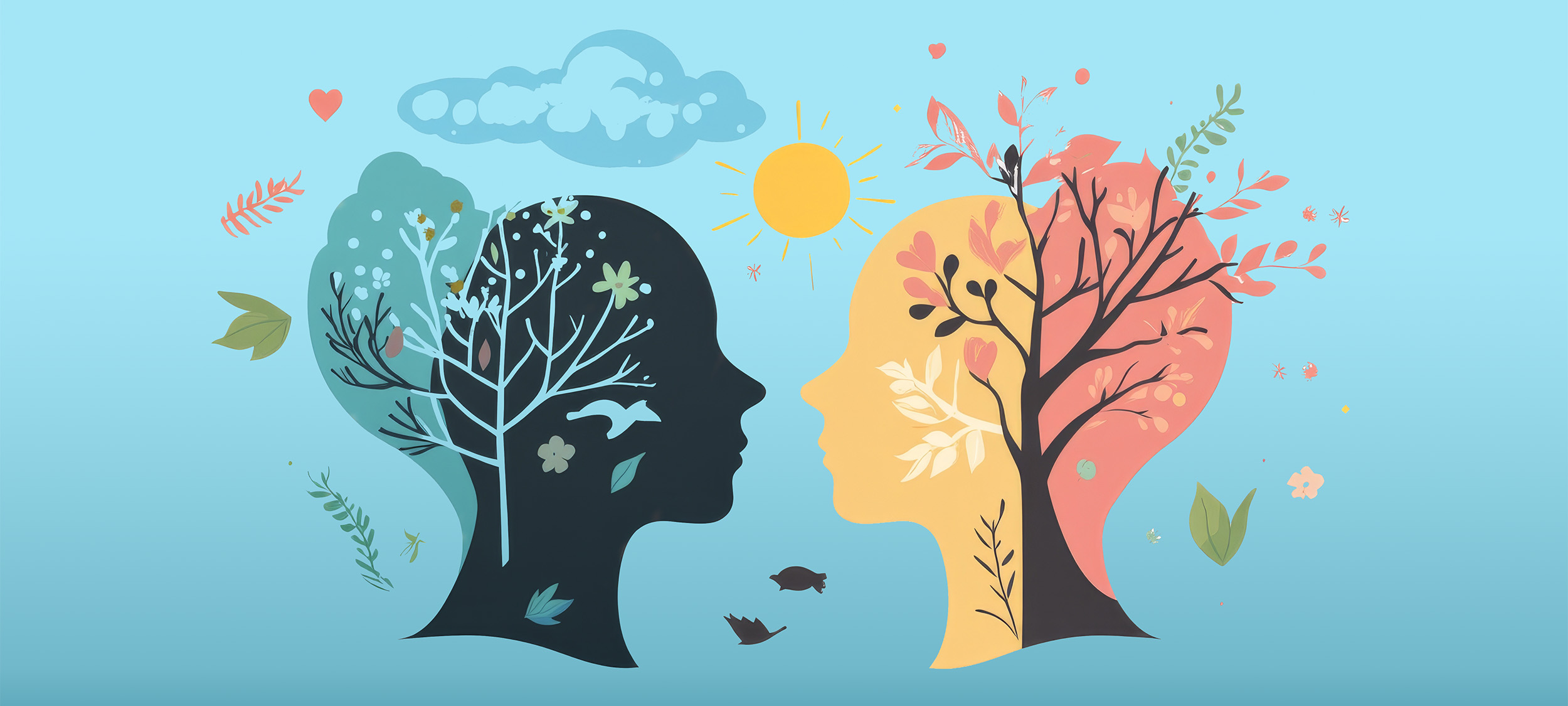
As the days shorten in late fall and winter, many people experience a gradual shift: lingering fatigue, stronger cravings for comfort foods, reduced motivation, or a sense of withdrawal. For some, these changes are mild and pass quickly – what’s often called the “winter blues.” But for millions worldwide, they signal Seasonal Affective Disorder (SAD).

On World Mental Health Day 2025, themed “Access to Services – Mental Health in Catastrophes and Emergencies”, we are proud to share our Brain Health Toolkit. Crises like natural disasters or personal emergencies can challenge mental health, but your brain is built to adapt. Backed by BHI’s cutting-edge neuroscience research, this toolkit offers simple, science-driven strategies to strengthen resilience and access support when it matters most.
